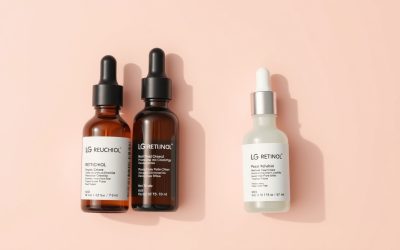
- Top Pick: Korean Bakuchiol Concentrate DIY Mix-in Serum 30,000 ppm – High Potency Retinol Alternative | Wrinkle Reduction Skin Firming & Smoothing – Anti-Aging Sensitive Skin Vegan & Cruelty-Free Non-GMO 1 oz
- Best Value: HERBIVORE Bakuchiol Dual-Retinol Alternative Anti-Aging Serum, 1.01 oz | Plant-based bakuchiol serum smooths texture, improves elasticity and helps reduce look of fine lines. Vegan & cruelty-free
- Premium Choice: Bio Retinol Alternative Bakuchiol Serum – Smooths Fine Lines & Wrinkles | USA Made with Natural & Organic Ingredients, Anti-Aging Skin Care Formula, Vegan, Cruelty Free
Last updated: November 19, 2026
- Introduction
- Key Features/Ingredients to Look For
- Top Picks
- Final Thoughts
- Bakuchiol: The Gentle Retinol Alternative
- How to Use Bakuchiol
- Reading the Label: Percent, PPM, and the Dose That Was Actually Studied
- Which Format Fits Your Skin: A Quick Decision Guide
- How to Start: A Two-Week Ramp and Layering Order
- Who Should Skip Bakuchiol
- Common Mistakes That Waste a Bottle
- More Buyer Questions
- Frequently Asked Questions
- Related Guides
As an Amazon Associate we earn from qualifying purchases at no extra cost to you.


Introduction
Bakuchiol has emerged as one of skincare's most exciting natural ingredients, offering anti-aging and skin-renewing benefits comparable to retinol without the irritation, photosensitivity, and lengthy adjustment period that often comes with traditional vitamin A derivatives. Derived from the seeds and leaves of the Psoralea corylifolia plant used in Ayurvedic and Chinese medicine, bakuchiol has been shown in peer-reviewed studies to improve the appearance of fine lines, wrinkles, hyperpigmentation, and skin elasticity when used consistently. It is suitable for all skin types including sensitive and pregnant skin where retinol is contraindicated.
Key Features/Ingredients to Look For
- Bakuchiol Concentration: Clinical studies supporting bakuchiol's efficacy typically use concentrations between 0.5% and 2%; look for products listing bakuchiol within the first half of the ingredient list or specifying a percentage on the label to ensure you are getting a meaningful dose of the active ingredient.
- Complementary Anti-Aging Actives: The most effective bakuchiol formulas pair it with peptides, hyaluronic acid, vitamin C, or niacinamide to amplify the skin-renewing and brightening effects, creating a comprehensive anti-aging treatment that addresses multiple signs of aging simultaneously.
- Stability-Conscious Packaging: Bakuchiol is more stable than retinol and does not degrade with light exposure, giving formulators greater flexibility in packaging; however, the best products still use airless pump or dark glass packaging to preserve the integrity of all the complementary ingredients in the formula.
Top Picks
Herbivore Bakuchiol Retinol Alternative Serum
Herbivore's Bakuchiol Retinol Alternative Serum is formulated with 1% bakuchiol extracted from responsibly sourced Psoralea corylifolia seeds, combined with polyglutamic acid for intense hydration and sea buckthorn oil for antioxidant protection. The lightweight, fast-absorbing serum is 100% plant-based, vegan, and free of retinol, fragrance, and synthetic dyes, making it suitable for even the most sensitive skin types. With consistent use, it visibly improves skin firmness, smoothness, and luminosity without any of the redness or peeling associated with retinoid use.
Biossance Squalane + Phyto-Retinol Serum
Biossance's Squalane + Phyto-Retinol Serum combines bakuchiol with sustainably derived squalane in a deeply nourishing yet lightweight formula that delivers measurable anti-aging results without irritation. The pairing of bakuchiol and squalane creates a synergistic treatment that improves skin texture, reduces the appearance of fine lines, and restores suppleness and glow over time. Clean, vegan, and EWG-verified, it is one of the most trusted and scientifically credible clean beauty options for those seeking a genuine retinol alternative.
REN Clean Skincare Bio Retinoid Anti-Ageing Cream
REN's Bio Retinoid Anti-Ageing Cream harnesses bakuchiol alongside a proprietary Bio-Retinoid complex that combines multiple plant-derived retinol-mimicking actives to target fine lines, loss of firmness, and uneven texture from multiple angles. The rich, comforting cream texture makes it ideal for dry and mature skin types who benefit from the additional hydration of a cream carrier while receiving the full anti-aging benefits of its bio-retinoid complex. It is clean, sustainable, and delivers noticeable improvements in skin firmness and smoothness within four weeks of consistent nightly use.
Final Thoughts
Bakuchiol represents one of the most compelling innovations in natural skincare, offering genuine anti-aging efficacy without the downsides that prevent many people from using retinol consistently. Whether you are retinol-sensitive, pregnant, breastfeeding, or simply prefer plant-based alternatives, a quality bakuchiol serum or cream used nightly is a meaningful investment in long-term skin health. Expect gradual but steady improvements over two to three months of consistent use, and consider combining bakuchiol with vitamin C in the morning and SPF daily for a comprehensive anti-aging routine.
Bakuchiol: The Gentle Retinol Alternative
Bakuchiol is a plant-derived ingredient that delivers retinol-like benefits, smoothing fine lines, improving firmness and texture, and evening tone, without the irritation, dryness, and sun sensitivity associated with retinoids. Studies suggest it works through similar pathways to boost collagen and cell turnover, but it’s far gentler, making it ideal for sensitive skin, retinol-intolerant skin, and, notably, pregnancy and breastfeeding, when retinoids are off-limits. As a bonus, bakuchiol is antioxidant and can be used morning or night without increasing photosensitivity, offering anti-ageing benefits with remarkable tolerability.
How to Use Bakuchiol
Unlike retinol, bakuchiol doesn’t require slow introduction or a strict nighttime-only rule, you can use it once or twice daily, after cleansing and before moisturiser. It layers safely with most ingredients, including vitamin C and acids, and even pairs well with retinol for those who want to combine gentle and potent anti-ageing. While it’s still wise to wear daily SPF (as everyone should), bakuchiol itself doesn’t increase sun sensitivity. Results, like all anti-ageing ingredients, build gradually over a couple of months of consistent use. It’s an excellent entry point to anti-ageing actives.
Reading the Label: Percent, PPM, and the Dose That Was Actually Studied
The picks above mix two different ways of stating strength, and comparing them without converting is where most buyers go wrong. Some labels state bakuchiol as a percentage, while the Korean concentrates and creams in this guide state it in ppm, which means parts per million. The conversion is simple once you see it side by side:
| Label claim | What it means as a percentage |
|---|---|
| 5,000 ppm | One-half of one percent |
| 10,000 ppm | One percent |
| 30,000 ppm | Three percent |
That matters because the best-known head-to-head trial behind bakuchiol, a randomized 12-week study published in the British Journal of Dermatology, used a cream at one-half of one percent applied twice a day, and the bakuchiol group matched the retinol group on wrinkle surface area and pigmentation with less scaling and stinging reported. In other words, the dose with real comparative evidence behind it is the modest one, not the biggest number on a bottle. A three percent concentrate is not automatically three times as effective as a one percent serum; no published trial has shown that higher concentrations outperform the studied range, and stronger mix-in concentrates are designed to be diluted into a moisturizer a few drops at a time rather than applied neat. When you shop, treat a clearly stated strength anywhere from one-half of one percent to two percent as the meaningful zone, and treat an unstated strength as a reason to check where bakuchiol sits in the ingredient list instead. If it appears below the preservatives and fragrance components near the end, the formula is using it as a label claim rather than a working active.
Which Format Fits Your Skin: A Quick Decision Guide
| Your situation | Format to choose | Why |
|---|---|---|
| First bakuchiol product, normal or combination skin | Leave-on serum at a stated strength | Easiest to layer, easiest to judge on its own |
| Dry or barrier-compromised skin | Bakuchiol cream or ceramide moisturizer | The carrier does repair work while the active works slowly |
| You already own a moisturizer you love | Mix-in concentrate, a few drops at a time | Adds the active without replacing a routine that works |
| Fine lines concentrated around the eyes | Dedicated bakuchiol eye cream | Thinner skin needs a gentler dose and a smaller application area |
| Oily or blemish-prone skin | Lightweight serum, fragrance-free | Rich creams can feel occlusive and crowd out your other steps |
How to Start: A Two-Week Ramp and Layering Order
Bakuchiol does not demand the slow retinization schedule retinol does, but a short ramp still protects reactive skin and makes cause and effect easier to read. Patch test first: apply a small amount along the jawline or inner forearm once a day for three days and watch for itching, bumps or warmth, since contact reactions to botanical extracts are uncommon but documented. For the first two weeks, apply your bakuchiol product once a day in the evening. If skin stays calm, move to twice daily. Keep the order simple: cleanse, apply any watery toner or essence, apply the bakuchiol serum to dry skin, then moisturize. A bakuchiol cream replaces the moisturizer step rather than stacking on top of it. Concentrates are mixed into a pea-sized amount of moisturizer in your palm, never applied straight. Bakuchiol pairs comfortably with niacinamide, peptides, hyaluronic acid and vitamin C. On evenings when you use a strong exfoliating acid, keep the two in separate routines until you know your tolerance, and finish every morning with sunscreen, because new collagen is wasted if fresh sun damage arrives daily.
Who Should Skip Bakuchiol
Skip it, or pause and get advice first, if any of these apply. If your skin is currently mid-flare with eczema, rosacea or a damaged barrier, stabilize with plain moisturizer and sunscreen before adding any active, however gentle its reputation. If you have a known allergy to botanical extracts or have reacted to babchi-containing products before, the plant origin is a liability rather than a selling point. If you are already tolerating a retinoid well and your goal is the fastest possible change in deep wrinkles or long-standing sun damage, bakuchiol is a step sideways, not up; the evidence base for retinoids is far deeper. And if a product markets itself as a retinol alternative but the ingredient list contains retinol, retinyl palmitate or retinal, it is a hybrid, not an alternative, which matters if you are avoiding vitamin A entirely, including during pregnancy, where you should confirm any new active with your doctor regardless of marketing claims.
Common Mistakes That Waste a Bottle
- Judging at week three. The comparative trial measured outcomes at twelve weeks. Texture may feel smoother sooner, but firmness and pigmentation changes need eight to twelve weeks of consistent use before they can be judged fairly.
- Chasing the highest ppm. A 30,000 ppm concentrate is a dilution product, not a three-times-stronger treatment. The studied dose is far lower, and more has not been shown to work faster.
- Applying concentrate neat. Mix-in products are formulated to be dispersed through a moisturizer. Used straight, they are uneven, wasteful and more likely to irritate.
- Assuming alternative means retinol-free. Some bakuchiol-headlined products quietly include real retinol. Read the full ingredient list, not the front of the bottle.
- Skipping sunscreen. Bakuchiol does not increase sun sensitivity, but ultraviolet exposure breaks down collagen daily and will outpace any gentle active.
- Buying raw babchi oil instead. Purified bakuchiol is the studied ingredient. Unrefined babchi oil can carry other plant compounds, including photosensitizing coumarins, and is not the same product.
More Buyer Questions
How long does one bottle usually last? A 30 ml serum used at two to three drops twice a day typically lasts around two to three months, which conveniently matches the trial window. Eye creams at 20 ml last longer, since each application is a rice-grain amount per eye.
Can bakuchiol and retinol be used in the same routine? Yes, and some formulas combine them deliberately, using bakuchiol to soften retinol’s adjustment period. If you layer separate products, apply the thinner serum first, and reduce frequency if dryness appears, since the combination is still an active-heavy routine.
Does bakuchiol need to be refrigerated or kept in the dark? No. It is notably more stable than retinol and does not degrade quickly in light or air, which is one reason it appears in clear bottles. Normal bathroom storage away from direct heat is fine.
Why do some products list a percentage and others ppm? Both describe the same thing at different scales. Divide a ppm figure by ten thousand to get the percentage, so 10,000 ppm and one percent are identical claims in different units.
Frequently Asked Questions
Is bakuchiol as effective as retinol?
It offers similar benefits, smoother texture, firmness, even tone, more gently. Retinol has more research behind it, but bakuchiol suits those who can’t tolerate retinoids.
Can I use bakuchiol during pregnancy?
Bakuchiol is often chosen as a pregnancy-friendly alternative to retinol, but always confirm with your doctor before using any active while pregnant or breastfeeding.
Does bakuchiol make skin sun-sensitive?
No, unlike retinol, it doesn’t increase photosensitivity and can be used morning or night, though daily SPF is always recommended.
Related K-Beauty Guides
- Skincare Routine for Beginners: The Complete Step-by-Step Guide
- Best Sunscreen Reapplication Sprays: On-the-Go UV Protection Refresh
- Best Face Steamers for Skincare: Deep Cleanse and Hydrate Your Skin
- Best Derma Rollers for Microneedling: Stimulate Collagen at Home
- Best Face Massage Rollers: Sculpt, Depuff, and Boost Glow
- Best Jade Rollers for Face: Cooling, Depuffing, and Skin-Boosting Benefits
- Best Gua Sha Face Tools: Ancient Ritual for Modern Skin Benefits