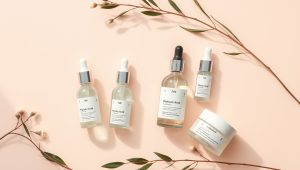
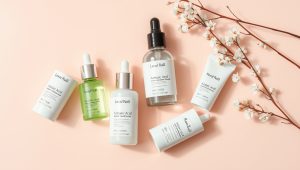
- Top Pick: Good Molecules Mandelic Acid Serum, Gentle AHA Exfoliating Serum, 1 fl oz | Gentle exfoliating serum that helps maintain clear, smooth, and even-looking skin. For sensitive skin.
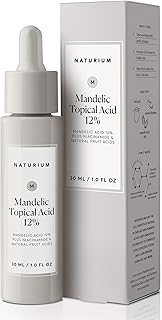
- Best Value: Naturium Mandelic Topical Acid 12%, Plus Niacinamide & Natural Fruit Acids, Anti-Aging Skin Care, 1 oz
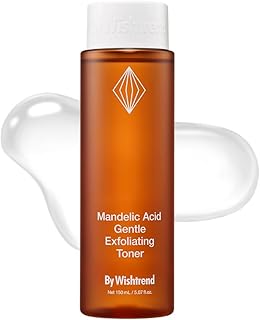
- Premium Choice: By Wishtrend Mandelic Acid Gentle Exfoliating Toner Sensitive Skin 5.07 Oz. | Daily AHA mandelic acid toner that gently exfoliates and refines skin texture; low pH Korean formula for sensitive skin.
Last updated: October 4, 2026
As an Amazon Associate we earn from qualifying purchases at no extra cost to you.




What Mandelic Acid Does for Your Skin
Mandelic acid is a gentle alpha hydroxy acid derived from bitter almonds that is gaining significant attention in modern skincare. With the largest molecular size of any AHA, it penetrates slowly and evenly, making it one of the most tolerable exfoliating acids available. Mandelic acid for skin addresses acne, hyperpigmentation, fine lines, and uneven texture without the harshness of glycolic or salicylic acid.
1. Mandelic Acid Serum for Hyperpigmentation
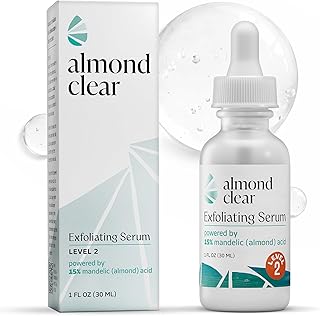
Mandelic acid has natural skin-brightening properties that inhibit melanin production, making it particularly effective for fading dark spots, melasma, and post-inflammatory hyperpigmentation. A mandelic acid serum used nightly can visibly even skin tone within four to six weeks of consistent use.
2. Mandelic Acid Toner for Acne-Prone Skin
Unlike glycolic acid, mandelic acid has mild antibacterial properties that make it effective against acne-causing bacteria. A mandelic acid toner used after cleansing dissolves dead skin cell buildup in pores, reducing breakouts and preventing new ones without causing the dryness associated with salicylic acid treatments.
3. Mandelic Acid Peel Pads
Pre-soaked peel pads with mandelic acid offer a convenient way to exfoliate without measuring products. They deliver a controlled dose of the acid with each use and often include additional soothing ingredients like aloe vera or green tea extract. Ideal for those who want consistent results without complicated routines.
Buying Guide: How to Use Mandelic Acid
- Safe for darker skin tones: Mandelic acid is less likely to cause post-inflammatory hyperpigmentation than stronger AHAs.
- Suitable for sensitive skin: Its slow penetration rate makes it one of the most tolerable chemical exfoliants.
- Use at night: Like all AHAs, follow up with SPF during the day to prevent UV sensitivity.
- Start two to three times per week: Build frequency gradually based on your skin's tolerance.
- Pair with niacinamide: Combining mandelic acid with niacinamide amplifies brightening results without irritation.
Final Thoughts
Mandelic acid for skin is one of the most underrated ingredients in the skincare world. Its gentle efficacy makes it accessible to sensitive, acne-prone, and deeper skin tones that may not tolerate other AHAs well. Explore the top mandelic acid products linked above and add this powerhouse acid to your routine for brighter, clearer, and smoother skin.
Why Mandelic Acid Suits Sensitive Skin
Mandelic acid is an alpha-hydroxy acid derived from almonds with a larger molecular size than glycolic or lactic acid. That larger molecule penetrates more slowly and evenly, making it markedly gentler and less irritating, ideal for sensitive, darker, or acne-prone skin. It exfoliates the surface to smooth texture and brighten tone, has antibacterial properties that help with breakouts, and fades post-inflammatory hyperpigmentation, the dark marks left after acne, with a lower risk of irritation than stronger acids.
How to Add Mandelic Acid to Your Routine
Mandelic acid appears in cleansers, toners, and serums. Start with two to three evening applications a week, applied after cleansing, and follow with moisturiser. Lower concentrations suit beginners; you can build up gradually as tolerance develops. It’s particularly useful for those with melanin-rich skin prone to hyperpigmentation, since it brightens with minimal irritation risk. As with any acid, daily SPF is essential, and avoid layering it with retinol or other strong acids in the same routine to protect your barrier.
Frequently Asked Questions
Is mandelic acid good for acne?
Yes. Its antibacterial properties help clear breakouts while it gently exfoliates and fades post-acne dark marks, with low irritation risk.
Why is mandelic acid gentler than glycolic acid?
Its larger molecule penetrates more slowly and evenly, causing less irritation, which makes it ideal for sensitive and darker skin tones.
How often should I use mandelic acid?
Start two to three evenings a week and build up as tolerated. Follow with moisturiser and always wear daily SPF.
Related K-Beauty Guides
- Skincare Routine for Beginners: The Complete Step-by-Step Guide
- Best Sunscreen Reapplication Sprays: On-the-Go UV Protection Refresh
- Best Face Steamers for Skincare: Deep Cleanse and Hydrate Your Skin
- Best Derma Rollers for Microneedling: Stimulate Collagen at Home
- Best Face Massage Rollers: Sculpt, Depuff, and Boost Glow
- Best Jade Rollers for Face: Cooling, Depuffing, and Skin-Boosting Benefits
- Best Gua Sha Face Tools: Ancient Ritual for Modern Skin Benefits