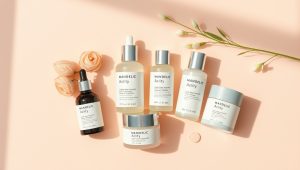
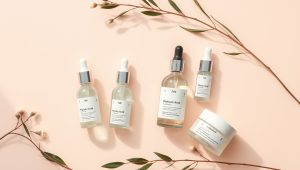
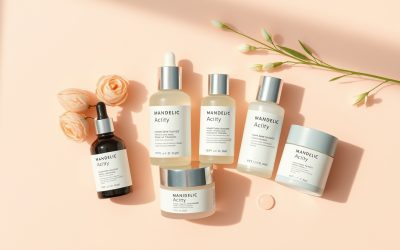
- Top Pick: The Ordinary Lactic Acid 5% + Hyaluronic Acid 2%, Gentle Exfoliating Serum for Smoother Skin
- Best Value: The Ordinary Lactic Acid 10% + Hyaluronic Acid 2%, High-Strength Exfoliating Serum for Smoother, Brighter Skin, 1 Fl Oz
- Premium Choice: Paula's Choice 6% Mandelic + 2% Lactic Acid Liquid Exfoliant | Gentle AHA Exfoliation for Discoloration, Bumpy Texture & Radiance, for Sensitive Skin, Fragrance-Free
Last updated: October 4, 2026
As an Amazon Associate we earn from qualifying purchases at no extra cost to you.




Why Lactic Acid Is the Gentlest AHA Exfoliant
Lactic acid is an alpha hydroxy acid (AHA) derived from milk that exfoliates dead skin cells while simultaneously hydrating the skin. Unlike more aggressive AHAs like glycolic acid, lactic acid has a larger molecule size that penetrates more slowly, making it an excellent choice for sensitive, dry, and beginner skin types seeking chemical exfoliation.
1. Low-Percentage Lactic Acid Toner (5-10%)
A 5-10% lactic acid toner is the ideal introduction to chemical exfoliation. Applied after cleansing, it dissolves the bonds holding dead skin cells together, revealing brighter and smoother skin underneath. The lower concentration minimizes the risk of irritation while still delivering visible results with regular use.
2. High-Strength Lactic Acid Serum (12-15%)
For experienced exfoliant users seeking more intensive results, a 12-15% lactic acid serum provides deeper exfoliation that targets texture, enlarged pores, and stubborn hyperpigmentation. The The Ordinary and Paula's Choice offer well-formulated options at this concentration with added soothing ingredients.
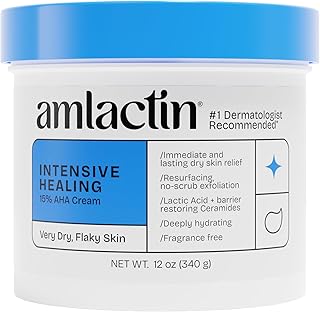
3. Lactic Acid Body Lotion for Keratosis Pilaris
Lactic acid is also highly effective for treating rough, bumpy skin on the body, particularly keratosis pilaris on the arms and thighs. Body lotions with 10-12% lactic acid soften and smooth these rough patches over time, revealing significantly improved skin texture with daily use.
Buying Guide: Using Lactic Acid Safely
- Start low and slow: Begin with a 5% formula two to three times per week before increasing frequency.
- Apply at night: AHAs increase photosensitivity, so nighttime application followed by morning SPF is essential.
- Do not layer with other actives: Avoid combining lactic acid with retinoids or vitamin C in the same routine.
- Moisturize afterward: Apply a hydrating moisturizer after lactic acid to minimize potential dryness.
- Look for added humectants: The best lactic acid products include glycerin or sodium PCA to balance exfoliation with hydration.
Final Thoughts
Lactic acid exfoliant is one of the most accessible and skin-friendly chemical exfoliants available. Its dual action of exfoliating and hydrating makes it suitable for skin types that cannot tolerate stronger AHAs. The products linked above represent the best lactic acid formulas across different concentrations and formats to suit your skin's needs.
What Lactic Acid Does for Your Skin
Lactic acid is an alpha-hydroxy acid (AHA) derived from milk, prized as one of the gentlest chemical exfoliants. It dissolves the bonds between dead surface cells to smooth texture, brighten dullness, and fade uneven tone, while also acting as a humectant that draws moisture into the skin, unusual for an acid. This dual exfoliating-and-hydrating action makes it ideal for dry and sensitive skin that finds glycolic acid too harsh. Regular use reveals smoother, more radiant skin with improved tone over several weeks.
How to Use a Lactic Acid Exfoliant
Introduce lactic acid slowly, once or twice a week in the evening, building up as your skin adjusts. Apply after cleansing to dry skin and follow with a hydrating moisturiser. Lower concentrations (5 to 10 percent) suit beginners and sensitive skin, while higher strengths give more pronounced resurfacing for experienced users. Because exfoliated skin is more sun-sensitive, daily SPF is essential. Avoid layering lactic acid with retinol or other acids on the same night to prevent irritation and barrier damage.
Frequently Asked Questions
Is lactic acid good for sensitive skin?
Yes, it’s one of the gentlest AHAs and also hydrates as it exfoliates, making it well suited to dry and sensitive skin that finds glycolic acid too harsh.
How often should I use lactic acid?
Start once or twice a week in the evening and increase gradually. Over-exfoliating causes redness and irritation, so let your skin set the pace.
Can I use lactic acid with retinol?
Avoid using them on the same night, which raises irritation risk. Alternate them on different evenings instead, and always wear SPF.
Related K-Beauty Guides
- Skincare Routine for Beginners: The Complete Step-by-Step Guide
- Best Sunscreen Reapplication Sprays: On-the-Go UV Protection Refresh
- Best Face Steamers for Skincare: Deep Cleanse and Hydrate Your Skin
- Best Derma Rollers for Microneedling: Stimulate Collagen at Home
- Best Face Massage Rollers: Sculpt, Depuff, and Boost Glow
- Best Jade Rollers for Face: Cooling, Depuffing, and Skin-Boosting Benefits
- Best Gua Sha Face Tools: Ancient Ritual for Modern Skin Benefits