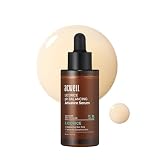
- Top Pick: ACWELL Licorice pH Balancing Advanced Facial Serum Ampoule – Dark Spot & Uneven Tone Care with Niacinamide, Lightweight Hydrating Daily Serum for Glass-Skin Glow, 1.01 fl. oz
- Best Value: HYAAH Licorice First Essence – Korean Hydrating Toner – Licorice Extract, Hyaluronic Acid and Allantoin – Soothing for Sensitive Skin – Alcohol Free for Sensitive Skin, 6.76 fl.oz
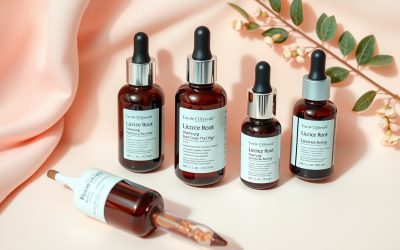
- Premium Choice: Horbäach Licorice Root Extract | 2 fl oz | Alcohol Free Tincture
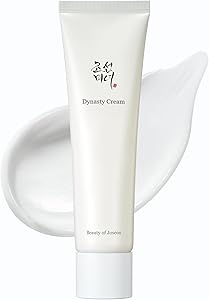
TL;DR: Licorice root extract (Glycyrrhiza glabra) contains glabridin — a hydroxyl-isoflavone that inhibits UVB-induced pigmentation at 0.5% concentration, outperforming kojic acid in some models while simultaneously suppressing inflammation. Korean formulations leverage both the whole extract and isolated glabridin for melasma and UV-triggered hyperpigmentation.
Korean Licorice Extract for Melasma: INCI Science Behind Glabridin Brightening
Licorice root extract sits at an interesting intersection in K-beauty: it is simultaneously a traditional herbal ingredient (감초, gamcho, used in Korean medicine for centuries) and a well-characterized cosmetic active with peer-reviewed mechanism data. The INCI landscape around licorice is more complex than most consumers realize — multiple distinct active fractions, each with different mechanisms and efficacy levels. This guide cuts through the confusion and explains which Korean licorice extract formulations actually deliver on melasma improvement claims.
As an Amazon Associate we earn from qualifying purchases at no extra cost to you.




Top Korean Licorice Extract Brightening Products




As an Amazon Associate we earn from qualifying purchases. Product prices and availability are accurate as of the date/time indicated.





As an Amazon Associate we earn from qualifying purchases. Product prices and availability are accurate as of the date/time indicated.


As an Amazon Associate we earn from qualifying purchases. Product prices and availability are accurate as of the date/time indicated.
The Active Fractions: What’s Actually in Licorice Extract
The INCI term “Glycyrrhiza Glabra Root Extract” encompasses a complex mixture. For pigmentation purposes, the three most relevant bioactive fractions are:
- Glabridin — the primary depigmenting active; a prenylated isoflavonoid that inhibits tyrosinase and suppresses UVB-induced melanogenesis; constitutes 10–20% of licorice root extract by mass in quality extracts
- Licochalcone A — potent anti-inflammatory; downregulates PGE-2 and IL-6 production in keratinocytes; addresses the inflammatory component that drives hormonally sensitive melasma
- Glycyrrhizin / Glycyrrhizinic acid — anti-inflammatory and anti-irritant; often responsible for the skin-calming properties attributed to licorice in Korean CICA-adjacent formulations
When evaluating a product, the INCI distinction matters. “Glycyrrhiza Glabra Root Extract” delivers all three fractions. “Glabridin” listed as a separate INCI ingredient indicates the brand has isolated and standardized the depigmenting active — a higher-quality (and more expensive) approach. Products listing only “Glycyrrhiza Uralensis Root Extract” (Chinese licorice vs. European) have a different flavonoid profile with less glabridin.
Glabridin’s Mechanism: Dual-Action Brightening
Glabridin inhibits tyrosinase activity — specifically the hydroxylation of L-tyrosine — through direct enzyme binding. Its prenyl side chain intercalates into the tyrosinase active site in a manner that is competitive with the substrate. In guinea pig skin models, topical application of 0.5% glabridin inhibited UVB-induced melanogenesis and erythema, with effects persisting beyond the application period.
Beyond tyrosinase inhibition, glabridin has documented estrogenic activity — relevant because melasma is strongly associated with estrogen receptor activation in melanocytes. Glabridin’s mild phytoestrogenic effect may partially counteract the estrogen-driven melanocyte hyperstimulation that makes melasma so refractory to treatment. This is mechanistically distinct from any other brightening active covered in this series.
For users dealing with hormonally driven melasma (common in pregnancy, oral contraceptive use, perimenopause), Korean licorice extract formulations may offer unique benefit that purely UV-targeted actives miss. For full protocol context, see our guide to Korean melasma treatment protocol.
INCI & Specification Reference Table
| Parameter | Detail |
|---|---|
| Primary INCI | Glycyrrhiza Glabra Root Extract |
| Key Active INCI | Glabridin (when isolated) |
| CAS (Glabridin) | 59870-68-7 |
| Glabridin MW | 324.37 g/mol |
| Functional Class | Tyrosinase inhibitor, anti-inflammatory, skin brightening |
| Effective Glabridin Concentration | 0.5–1% in study models; 0.1–0.5% in typical cosmetics |
| pH Stability | Relatively stable; best at pH 4–7 |
| Solubility (Glabridin) | Lipophilic; requires propylene glycol, ethanol, or emulsification |
| Additional Mechanism | Mild phytoestrogenic activity; anti-inflammatory (Licochalcone A) |
| Sensitization Potential | Very low; one of the gentlest brightening actives |
| Regulatory Status | Unrestricted cosmetic ingredient across all major markets |
Korean Licorice Extract in Formulation: What to Look For
Because glabridin is lipophilic (oil-soluble), its position in an aqueous serum INCI list can be misleading. In emulsified products (creams, lotions), glabridin is typically incorporated into the oil phase and well-dispersed. In water-based serums, look for solubilizers like butylene glycol or ethanol in the early INCI positions — these indicate the formulator has addressed glabridin’s solubility challenge.
Quality pairings with Korean licorice extract for melasma:
- Tranexamic acid (2–3%) — blocks the UV-signaling pathway upstream; licorice handles tyrosinase directly; mechanistically additive for melasma
- Niacinamide (5%) — inhibits melanosome transfer; third complementary step in the cascade. See our guide to Korean niacinamide for pigmentation.
- Centella asiatica — shares the anti-inflammatory strategy; CICA + licochalcone A creates robust skin-calming coverage
- SPF 50+ PA++++ — critical; melasma is UV-responsive and will recur without consistent protection
Korean brands known for quality licorice formulations include those in the functional cosmetics (기능성화장품) category — the regulatory designation requires proof of efficacy claims, not just ingredient presence.
FAQ
Is Korean licorice extract effective for deep dermal melasma?
Melasma exists on a spectrum from purely epidermal (responds well to topical treatment) to mixed dermal-epidermal (partially responsive) to purely dermal (largely refractory to topicals). Licorice extract, like all topical brightening actives, primarily addresses epidermal melanin. Dermal melasma — characterized by a blue-gray cast rather than brown — requires professional interventions (low-fluence Q-switched laser, oral tranexamic acid). Topical Korean licorice extract is an appropriate maintenance therapy after professional treatment for mixed-type melasma.
Can pregnant women use Korean licorice extract skincare?
The phytoestrogenic activity of glabridin has raised theoretical caution around high-dose oral licorice consumption during pregnancy. Topical cosmetic use at standard concentrations (0.1–0.5% glabridin) delivers systemic exposure far below any threshold of concern. No clinical data suggests topical licorice extract poses pregnancy risk. However, as with any active ingredient during pregnancy, consult your obstetrician before adding new products to your routine.
How does licorice extract compare to kojic acid for melasma?
In direct comparison models, glabridin at 0.5% inhibited UVB-induced pigmentation more effectively than kojic acid at the same concentration. Glabridin also has the formulation stability advantage — it does not oxidize the way kojic acid does. Additionally, licorice extract’s anti-inflammatory fraction (licochalcone A) addresses a melasma driver that kojic acid does not. For melasma specifically, Korean licorice extract is generally preferred over kojic acid as a primary active, with kojic acid as a secondary supporting ingredient.
Why do some Korean products list “Dipotassium Glycyrrhizate” instead of licorice extract?
Dipotassium glycyrrhizate is the potassium salt of glycyrrhizinic acid — a water-soluble derivative of one of licorice’s active compounds. It is primarily used for its anti-inflammatory and skin-soothing properties rather than direct tyrosinase inhibition. Products listing dipotassium glycyrrhizate are formulated primarily for sensitivity reduction rather than brightening. For pigmentation goals, look for Glycyrrhiza Glabra Root Extract or isolated Glabridin, not glycyrrhizate derivatives.
How long before Korean licorice extract shows visible results on melasma?
Clinical data on topical glabridin for melasma shows measurable improvement in 8–12 weeks with consistent twice-daily use. Melasma tends to be more recalcitrant than post-inflammatory hyperpigmentation, so realistic expectations are 3–6 months for significant visible change. Monthly photography in consistent lighting is the most reliable way to track progress — subjective assessment while looking at your skin daily is notoriously unreliable for gradual improvement.
Frequently Asked Questions
How do I use the Korean Licorice Extract for Melasma?
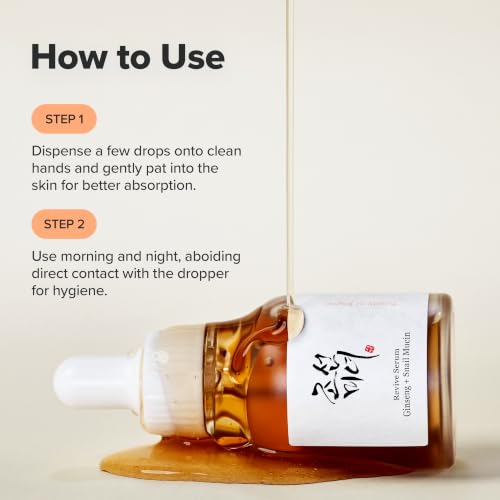
Apply a few drops after cleansing and toning, before moisturiser, once or twice daily as directed. Pat gently into slightly damp skin and follow with SPF in the morning if it contains brightening or exfoliating actives.
How long until I see results?
Hydration is immediate, but brightening, anti-ageing, or texture results typically take four to six weeks of consistent use as the skin renews.
Is this serum suitable for sensitive skin?
Introduce it slowly and patch-test first. If it contains potent actives, start a few times a week and build up, following with a soothing moisturiser.