- Top Pick: KREMORV Plastic Pump Bottles Dispenser 2Pack 10oz Shampoo Bottle BPA Free
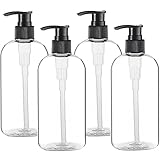
- Best Value: Empty Plastic Pump Bottles Dispenser 4 Pack 16oz/500ml Portable Clear BPA-Free Cylinder Shampoo Lotion Hand Pump Bottle Durable Refillable Containers
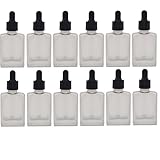
- Premium Choice: PimyRcyi Glass Bottle for Essential Oils,1 oz Small Empty Drop Bottle, 30ml Square Essence Glass Lab Dropping Serum Container (Matte clear,12PCS)
Last updated: October 4, 2026
Choosing between pump bottle vs dropper serum packaging is less about which container looks better and more about how a product will be used every day. A pump is designed for quick, controlled dispensing with one hand, while a dropper is better suited to small amounts, careful dosing, and lightweight liquid formulas. The choice also affects counter space, cleaning, replacement cost, and how polished a bathroom or vanity feels.
For most homes, the practical decision comes down to speed and mess control versus precision and presentation. A pump bottle usually makes more sense for shampoo, conditioner, body lotion, hand soap, and other products used in generous amounts. Dropper serum packaging is often the better fit for facial serums, facial oils, essential-oil blends, and concentrated treatments used by the drop.
As an Amazon Associate we earn from qualifying purchases at no extra cost to you.


Quick Verdict
Choose a pump bottle if you want fast, hygienic, one-handed dispensing and a container that works well in a shower, bathroom, or busy family space. Pumps are generally easier for children and adults with limited hand strength, and they reduce the need to touch the product inside the bottle.
Choose dropper serum packaging if accurate small-dose application, a premium appearance, and flexible control matter most. A dropper lets you dispense one drop at a time or fill the pipette for a larger application, making it useful for products where a full pump would release too much.
There is no universal winner. A 10-ounce pump bottle may be ideal for daily shampoo, while a 1-ounce dropper bottle may be more suitable for a concentrated facial oil. The right format should match the product’s thickness, the amount used per application, and where the bottle will live.
Side by Side
| Consideration | Pump bottle | Dropper serum packaging |
|---|---|---|
| Comfort | One-handed pressing; generally easy for wet or slippery hands | Requires opening, squeezing, and replacing the cap; best for deliberate application |
| Durability | Plastic pumps resist many everyday bumps; pump tops can snap or clog | Glass feels substantial but can chip or break if dropped |
| Price range | About $3-$10 per reusable bottle, depending on size and pack | About $1.50-$4 per small bottle in multipacks; premium glass can cost more |
| Maintenance | Easy to refill, but the pump tube and nozzle need rinsing | Dropper, neck, and bulb need careful cleaning and complete drying |
| Space needed | Commonly 2-3 inches wide and 6-9 inches tall for an 8-16 ounce bottle | Often about 1-1.5 inches wide and 3-5 inches tall for a 1-ounce bottle |
| Look | Practical, streamlined, and available in clear, white, or amber plastic | Apothecary-inspired, cosmetic, and more display-friendly |
| Resale | Useful for refill stations, guest bathrooms, and move-in kits | More appealing for gift sets, sample collections, and beauty displays |
| Waste control | Consistent output, though each press may dispense more than needed | Excellent for one- to several-drop dosing, with more room for user error |
| Best for | Shampoo, lotion, hand soap, conditioner, and body wash | Serum, facial oil, essential-oil blends, and concentrated treatments |
Where Pump Bottle Wins
The biggest advantage of a pump bottle is convenience. A good pump can be operated with one hand, an elbow, or the back of a wrist when hands are wet. That makes it particularly useful beside a sink or inside a shower. A typical pump releases roughly 1-3 milliliters per press, although output varies by pump design and formula thickness. For shampoo or body wash, that predictable amount is usually more practical than counting drops.
Pumps also help keep the opening away from fingers. The user touches the actuator rather than dipping into a jar or repeatedly inserting a pipette. This does not make a container sterile, and the outside still needs cleaning, but it can reduce direct contact with the remaining product.
Plastic pump bottles are another strong choice for households concerned about breakage. Refillable bottles in the 8- to 16-ounce range are light enough for shelves and shower ledges, and many weigh only a few ounces when empty. The KREMORV Plastic Pump Bottles Dispenser 2Pack 10oz Shampoo Bottle BPA Free is listed for under $10, while a four-pack of 16-ounce/500-milliliter clear refillable pump bottles is listed for under $10. Those examples show why pump packaging can be economical when several rooms need matching dispensers.
Capacity is also a practical benefit. A 10-ounce bottle may last several weeks for one person, depending on use, while a 16-ounce bottle can reduce refill frequency in a family bathroom. Look for a stable base, a locking pump for travel, and a tube that reaches near the bottom without sharply bending.
The main drawbacks are clogging and over-dispensing. Thick creams, clay-based products, and formulas with particles may block a narrow nozzle. A pump also takes up more vertical space than a small serum bottle, and a broken actuator can make an otherwise full container difficult to use.
Where Dropper Serum Packaging Wins
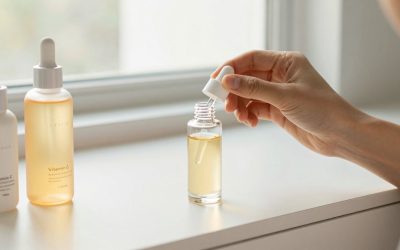
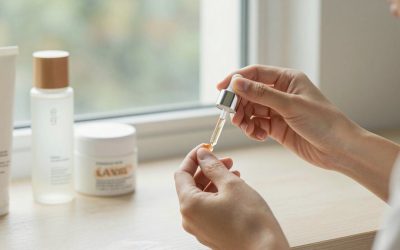
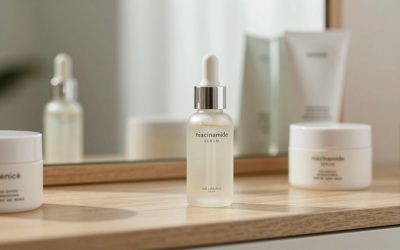
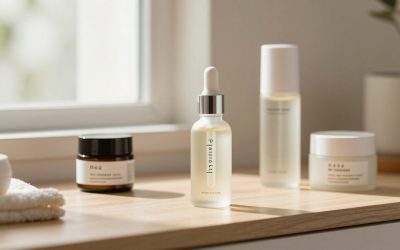
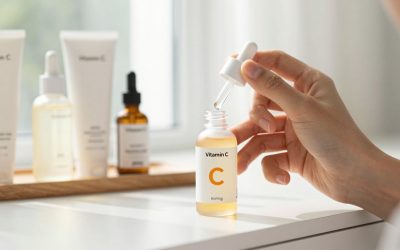
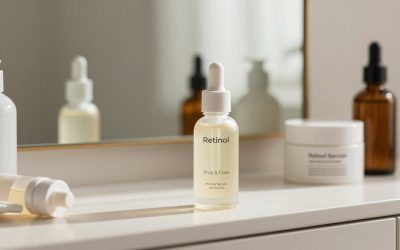
Dropper packaging excels when the product is concentrated or when the user wants to control the amount precisely. A serum routine may call for two or three drops, not a full pump. The pipette allows the user to place product directly on fingertips or onto selected areas of the face, helping avoid the excess that can result from a larger dispenser.
Small dropper bottles are also efficient for limited counter space. A 1-ounce bottle commonly measures about 1 to 1.5 inches across and 3 to 5 inches tall, depending on the shoulder and cap. Several can fit in a shallow tray, medicine cabinet, or narrow vanity organizer. This format also makes it easier to separate products by function, such as morning serum, evening oil, and spot treatment.
Glass adds a more refined appearance and can support an organized, boutique-style display. The PimyRcyi matte-clear 12-piece, 1-ounce glass dropper set is listed for under $20, while the matte-black version is listed for under $20. A multipack can be useful when decanting compatible products or creating a coordinated arrangement, but each filled bottle should be labeled with the product name, date, and any relevant usage instructions.
Dropper bottles have limitations. The pipette can touch skin, hands, or the edge of a bottle, so it should not be treated as contamination-proof. It is also easy to leave residue around the neck if the bottle is overfilled or the dropper is returned while wet. Glass requires more care around tile floors, children, pets, and crowded countertops. Some droppers also struggle with very thick formulas, which may not rise smoothly into the pipette.
Cost Over 5 Years
The lowest purchase price is not always the lowest long-term cost. For a simple comparison, assume a pump bottle costs $3-$10 and lasts two to five years, while a small dropper bottle costs about $1.50-$4 when purchased in a multipack and is replaced every one to three years because of breakage, residue, or a worn bulb.
Over five years, one durable pump container could cost about $3-$20, excluding the product inside. A household using three pump bottles might spend approximately $9-$60 if replacements are needed. A dropper setup of three bottles could cost about $4.50-$12 per purchase, or roughly $9-$36 over five years if each set is replaced once. Premium glass, shipping, labels, and specialty closures can increase either estimate.
Cleaning supplies are usually minor, but time matters. Plan to rinse pumps and tubes whenever changing formulas, then allow them to dry fully before refilling. Dropper bottles require more attention around the pipette and neck. If a reusable container cannot be cleaned completely or still smells like its previous formula, replacing it is safer than trying to stretch its service life.
Which One for Your Home
Small apartment
Choose based on available storage rather than buying the largest size. A 1-ounce dropper bottle is excellent for a compact vanity, especially when the formula is used in small amounts. For shared hand soap or shower products, choose a narrow pump bottle in the 8- to 10-ounce range. Measure the shelf first; allowing at least 1 inch of clearance above a pump helps prevent awkward removal and refilling.
Family with kids or pets
Pumps are usually the safer, simpler option because they are quick to operate and less likely to shatter. Place glass droppers in a high cabinet if they are necessary for adult skincare. A locking pump can help during travel or storage, but it is not a childproof closure. Keep concentrated oils and treatments out of reach regardless of packaging.
Rental
Lightweight plastic pump bottles are practical for renters who want a tidy bathroom without installing wall-mounted dispensers. They are less concerning on ceramic or stone surfaces and easier to pack during a move. Choose neutral clear, white, or amber containers that can be reused in the next home. A small dropper set works well on a vanity tray when appearance matters, but use a tray with a raised edge to contain minor spills.
Long-term home
A long-term setup can combine both formats. Use matching pumps for hand soap, shampoo, conditioner, and lotion, then reserve glass droppers for serums and oils. Standardize bottle heights where possible and keep a few replacement pumps or caps on hand. Over several years, consistency makes refilling easier and helps prevent one worn dispenser from making an otherwise organized bathroom look unfinished.
FAQ
Is a pump or dropper more hygienic?
Neither is automatically hygienic. Pumps limit direct contact and are convenient for shared products, but the actuator and nozzle still collect residue. Droppers can work well for personal products when the pipette does not touch skin or surfaces. Clean the exterior regularly, avoid topping off old product, and follow the product maker’s storage guidance.
Can a serum go in a pump bottle?
Yes, if the serum is fluid enough to travel through the pump tube and the pump dispenses a small amount. A watery or lightly viscous serum may work well, while a formula with suspended particles or a very thick texture may clog. Test a small amount before transferring the entire product.
Are glass dropper bottles better than plastic?
Glass often provides a more premium feel and is less likely to absorb odors, but it is heavier and breakable. Plastic is lighter and more forgiving in showers, travel bags, and family spaces. The better material depends on handling, storage, formula compatibility, and whether appearance is a priority.
How should reusable bottles be cleaned?
Empty the bottle completely, wash compatible parts with warm water and mild dish soap, rinse thoroughly, and let everything dry before refilling. Pumps may need repeated rinsing to clear the tube. For droppers, clean the bulb and pipette separately when possible. Do not mix cleaning chemicals, and discard any container that remains cloudy, cracked, sticky, or strongly scented after cleaning.
Ready to decide? Our #1 pick for 2026 is the Comfort.
Live price & availability on Amazon.