Last updated: October 4, 2026
Quick answer: Our top pick in 2026 is the Basic moisturizer plus daily sunscreen — our #1 rated choice. See the full ranked comparison, alternatives and buying advice below.
The Short Answer
Yes—retinol is worth it for many beginners, provided you are willing to start slowly and use sunscreen every morning. That one condition matters: retinol can improve the look of fine lines, uneven tone, rough texture, and blemishes, but rushing into nightly use often leads to dryness, peeling, and irritation that make the experience feel like a failure.
Retinol is not an instant-results product. It is a long-term investment in skin care, with visible changes typically taking several weeks to months. If your main goal is dramatic overnight brightening or perfectly smooth skin without adjustment time, it may not be worth the inconvenience. If you want one well-studied ingredient that addresses several common concerns at once, it is one of the better options available in 2026.
As an Amazon Associate we earn from qualifying purchases at no extra cost to you.


What You Actually Get
Retinol is a vitamin A derivative that encourages faster skin-cell turnover and supports collagen production over time. In practical terms, that can mean softer-feeling skin, a more even-looking complexion, fewer clogged pores, and a gradual reduction in the appearance of fine lines. It does not erase wrinkles, remove scars completely, or replace professional treatment.
Most beginner products use a low concentration, often around 0.1% to 0.3%. A 0.1% formula is a reasonable starting point because it gives new users room to learn how their skin responds. For comparison, retinaldehyde—often called retinal—is a related vitamin A ingredient that generally requires fewer conversion steps in the skin than retinol. That does not automatically make it better or gentler; the overall formula and your application schedule still matter.
The two reference products illustrate the usual beginner price range. Prequel Skin Retinal Serum contains 0.1% retinaldehyde and is listed for under $30. Cocokind Beginner Retinol Gel contains 0.1% retinol and is listed for under $30 for 1 fluid ounce. Either price is relatively modest compared with high-end anti-aging products, but the cost of sunscreen, moisturizer, and possible replacement products should be included in your budget.
Application is simple but precise. At night, cleanse and let your face dry fully. Apply about a pea-sized amount for the entire face, avoiding the eyelids, corners of the nose, and corners of the mouth. Follow with moisturizer. Start one or two nights per week for at least two weeks, then increase to every other night only if your skin remains comfortable. Daily broad-spectrum sunscreen rated SPF 30 or higher is essential because sun exposure worsens the same concerns retinol is meant to address.
Pros
- One ingredient serves several goals. Retinol can target the appearance of fine lines, uneven pigmentation, rough texture, and some acne-related congestion.
- Beginner strengths are widely available. Products near 0.1% are sold at accessible prices, including options in the roughly $25 to $30 range.
- It can simplify a routine. Instead of buying separate products for texture, dullness, and early signs of aging, one retinoid may cover much of that territory.
- Results can improve with consistent use. Retinol is designed for gradual progress rather than a temporary surface effect.
- It works with a basic routine. You do not need a cabinet full of toners, masks, or devices. A gentle cleanser, moisturizer, retinol, and sunscreen are enough to begin.
- It may help blemish-prone skin. By supporting regular shedding of skin cells, retinol can help reduce the conditions that contribute to clogged pores for some users.
Cons
- Irritation is common during the adjustment period. Tightness, redness, flaking, stinging, or dryness can occur, especially when users apply too much or use it too frequently.
- Results take patience. Texture may look better before wrinkles do, but meaningful changes often require roughly eight to twelve weeks or longer.
- It requires routine discipline. Skipping moisturizer or sunscreen can make the experience less comfortable and reduce the value of the investment.
- More is not better. Applying a thick layer will not speed results. It increases the likelihood of irritation and wastes product.
- It can conflict with other strong actives. Beginners should be cautious about using retinol on the same night as exfoliating acids, benzoyl peroxide, or prescription-strength treatments unless a qualified clinician has recommended that combination.
- It is not appropriate for everyone. People who are pregnant or trying to become pregnant should ask their health care professional before using retinoids. Anyone with eczema, rosacea, or persistently irritated skin may need individualized advice.
Who Should Buy It
Buy a beginner retinol if you have a specific, realistic goal and can commit to a slow schedule. It is a good fit for someone noticing mild uneven texture, occasional clogged pores, early fine lines, or sun-related dullness. It also makes sense if you prefer a simple routine and are comfortable waiting several months for gradual improvement.
Choose a product with a clearly stated concentration, a secure package, and a texture you will actually use. A gel may feel lighter on combination or oily skin, while a cream or serum layered under moisturizer may suit normal or dry skin. Packaging that limits repeated exposure to air and light is a practical advantage, although it cannot compensate for poor storage or an inconsistent routine.
Before applying it to your full face, test a small area according to the product instructions. Introduce only one new active at a time so you can identify the cause if irritation develops.
Who Should Skip It
Skip over-the-counter retinol for now if your skin barrier is already compromised—such as active peeling, cracked areas, painful burning, or a recent reaction to another product. Repairing and calming the skin first is more useful than adding another active.
You may also want to skip it if you are unwilling to wear sunscreen, expect results within a few days, or already use a prescription retinoid. Adding an additional retinoid rarely makes a routine more effective and may increase irritation. People with persistent acne, severe discoloration, or advanced signs of aging may get better value from a dermatologist’s guidance than from experimenting with several retail formulas.
Cheaper Alternatives
| Option | Cost | Trade-off |
|---|---|---|
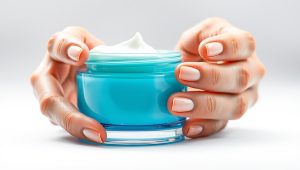
| Basic moisturizer plus daily sunscreen | About $15–$35 total | Lower irritation risk and useful for prevention, but it does not provide retinol’s direct texture or fine-line benefits. |
| Azelaic acid, commonly 10% | About $10–$25 | Can support the appearance of uneven tone and blemishes, but results for fine lines are less central than with retinol. |
| Niacinamide serum, commonly 2%–5% | About $8–$20 | Often easier for beginners and helpful for oil balance and barrier support, though it is not a substitute for a retinoid. |
| Over-the-counter retinol around 0.1% | About $15–$30 | The closest lower-cost alternative to premium retinol, but formulas may differ in stability, feel, and supporting ingredients. |
| Prescription retinoid consultation | Often about $30–$100 or more before medication cost | Potentially stronger and more targeted, but it requires professional guidance and may cause more adjustment-related irritation. |
The cheapest sensible alternative is not another active; it is a consistent moisturizer and SPF 30 or higher. Those products protect the progress you are trying to make and may be all you need if your concerns are mild.
FAQ
How often should a beginner use retinol?
Start one night per week if your skin is sensitive, or two nonconsecutive nights per week if it is generally tolerant. Use a pea-sized amount for the full face. After about two to four weeks without significant irritation, consider moving to every other night. There is no requirement to use it nightly; a schedule you can maintain is more valuable than an aggressive one.
Should I choose retinol or retinal?
Neither is automatically the right choice for every beginner. Retinaldehyde may act more directly than retinol, while retinol is more familiar and widely available. Compare the concentration, formula, price, and how your skin reacts. A 0.1% retinal product is not necessarily milder than a 0.1% retinol product because the percentages refer to different ingredients.
Can I use retinol around my eyes?
Do not apply a general facial retinol directly to the eyelids or too close to the lash line. The eye area is thin and easily irritated. If you eventually want to address fine lines there, use a product specifically labeled for that area and follow its directions. Keep the initial routine focused on the cheeks, forehead, and chin.
When should I stop using retinol?
Stop and simplify your routine if you develop intense burning, swelling, hives, painful cracking, or persistent redness. Mild dryness can sometimes be managed by reducing frequency and applying moisturizer, but ongoing discomfort is not a sign that the product is “working.” If symptoms are severe or do not improve, consult a medical professional.
Ready to decide? Our #1 pick for 2026 is the Basic moisturizer plus daily sunscreen.
Live price & availability on Amazon.