Last updated: October 4, 2026
Navigating the luxury cosmetics market can feel overwhelming, especially when premium price tags set high expectations for performance, longevity, and skin-friendly ingredients. When you are investing in a high-end formula, you are not just paying for the name on the tube; you are paying for advanced pigmentation technology, sophisticated skincare infusions, and textures that melt seamlessly into the delicate skin around your eyes and face. Understanding what separates a mediocre luxury product from an exceptional one ensures your investment actually delivers the flawless, natural finish you expect.
Whether you are upgrading your daily routine for 2026 or searching for that one holy-grail product to cover persistent dark circles without caking, understanding the core variables of luxury concealers is essential. This decision guide cuts through the marketing noise to focus on the technical specifications, skin compatibility factors, and practical purchasing criteria that truly matter when selecting a high-end concealer.
As an Amazon Associate we earn from qualifying purchases at no extra cost to you.

Understanding Undertone Chemistry
The most common reason a luxury concealer looks gray, muddy, or unnatural is a mismatch in undertone chemistry rather than surface skin depth. High-end brands typically offer extensive shade matrices that categorize products into warm, cool, neutral, and olive undertones. If you are trying to neutralize dark circles, understanding color theory is vital. Blue or purple undertones under the eye require a peach or salmon color-correcting influence, whereas hyperpigmentation and blemishes usually require a precise match to your natural skin depth and undertone. Always test shades in natural daylight if possible, as artificial store lighting frequently distorts how warm or cool a pigment truly is.
Decoding Formula Finishes
Finish dictates how light interacts with your skin texture, making it a critical specification when choosing a luxury formula. Dewy and luminous finishes contain light-reflecting particles that bounce light away from fine lines, making them exceptional for dry under-eyes, though they may require light powdering in the T-zone. Natural satin finishes strike a balance between radiance and control, mimicking real skin without looking flat. Matte finishes offer high coverage and long-wear properties, but they demand thorough skin hydration beforehand to prevent clinging to dry patches or emphasizing textural irregularities.
Pigment Density Versus Texture Weight
A frequent misconception is that higher price guarantees heavier coverage, but modern luxury cosmetic engineering prioritizes high pigment density paired with featherlight texture weights. Traditional heavy concealers rely on thick waxes that settle into creases, whereas high-end formulations utilize micro-fine coated pigments suspended in skincare-heavy serums. This means you need significantly less product to achieve total coverage. When evaluating a potential purchase, look for formulations that offer buildable coverage rather than immediate, suffocating thickness, allowing you to customize the coverage level from medium to full without weight.
Evaluating Skincare Infusions and Active Ingredients
High-end concealers bridge the gap between makeup and skincare by incorporating active ingredients designed to improve your skin over time. Premium formulas frequently feature hyaluronic acid for deep moisture retention, caffeine to reduce morning puffiness, peptides to support skin elasticity, and antioxidants like vitamin C to brighten discoloration naturally. When reading ingredient lists, look for these beneficial components near the top of the formulation. Choosing a concealer that actively treats dryness or fatigue ensures your skin looks better even after you remove your makeup at the end of the day.
Packaging and Applicator Engineering
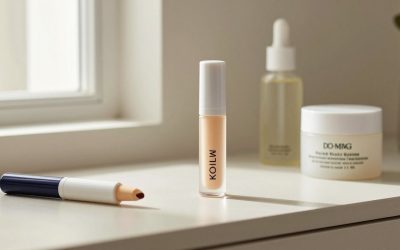
The delivery system of a luxury concealer impacts both hygiene and application precision. Doe-foot applicators allow for targeted placement on blemishes or under-eye hollows, but they can introduce bacteria back into the tube if used over unwashed skin. Squeeze tubes and pump mechanisms offer superior hygiene and precise portion control, preventing product waste. Metal tip applicators provide a cooling sensation that helps depuff the eye area upon contact. Consider your personal application habits—whether you use fingers, brushes, or sponges—and select a packaging style that supports your preferred technique.
Matching Formulas to Your Specific Skin Type
Your skin type should act as the ultimate filter when browsing luxury cosmetics. Dehydrated or mature skin will actively reject heavy matte formulas, pulling moisture from the product and causing severe cracking. Conversely, oily skin types will break down dewy formulas within hours, leading to separation and shine. High-end brands usually design specialized lines tailored to specific skin concerns. Matching the formula vehicle—whether water-based, silicone-based, or oil-infused—to your skin barrier requirements prevents midday touch-up frustrations and ensures optimal wear time.
Knowing When to Spend More
Not every makeup bag staple requires a luxury budget, but certain categories justify the higher investment. You should spend more on a concealer if you struggle with chronic sensitivities that react poorly to cheaper fillers, if you need a specialized shade match that only extensive luxury ranges provide, or if you require all-day longevity without touch-ups in professional environments. If you only wear concealer occasionally for minor spot-checking, a mid-range or budget alternative may suffice. Reserve your luxury budget for the products that sit on your face all day and directly impact your skin comfort.
Related Guides
If you are ready to explore specific product recommendations and compare top-performing formulations currently on the market, take a look at our best high-end concealers guide for comprehensive testing results, wear-test breakdowns, and expert rankings.
FAQ
Do high-end concealers really perform better than drugstore options?
Luxury concealers typically feature more finely milled pigments, superior emollients, and complex skincare hybrids that resist creasing throughout the day. While excellent budget options exist, high-end formulations often provide better longevity and a more skin-like finish without requiring heavy powder setting.
How do I prevent luxury creasing under the eyes?
Creasing usually occurs when too much product is applied over unmoisturized skin or when excess oils break down the formula. Prep the under-eye area with a lightweight hydrating eye cream, apply your concealer in thin layers, and gently press a translucent setting powder using a small brush.
Should my concealer match my foundation shade?
For spot-concealing blemishes, your concealer should match your exact foundation shade to keep the spot invisible. For under-eye brightening, choose a shade that is one to two shades lighter with a correcting undertone to lift shadows effectively.
How long do luxury liquid concealers typically last once opened?
Most liquid concealers maintain their optimal texture and preservative efficacy for six to twelve months after opening. Watch for changes in smell, separation that does not mix back together, or sudden skin irritation, which indicate the product has expired.