Last updated: October 4, 2026
The Short Answer
Probably not — unless the skin around your eyes is noticeably drier or crepier than the rest of your face. Eye cream is not a magic category; most of it is simply moisturizer packaged in a smaller jar at a higher price per ounce. The one condition that justifies buying a dedicated eye cream: you have fine lines plus dryness or puffiness in the under-eye area, and a regular facial moisturizer either stings when it gets close to your eyes or feels too heavy for that thin skin. In that case, a targeted formula — ideally with retinol or peptides — earns its spot on your shelf. Everyone else can spend the $15–$25 on a solid facial moisturizer and sunscreen instead.
What You Actually Get
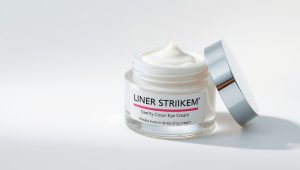
A typical eye cream comes in a 0.5 oz (about 15 ml) jar or tube — roughly the size of a lipstick. Used twice daily at a pea-sized amount for both eyes, that container lasts most people two to three months. What’s inside varies widely: humectants like glycerin and hyaluronic acid pull in moisture, caffeine temporarily reduces the look of puffiness by constricting blood vessels, niacinamide supports the skin barrier, peptides signal collagen production over time, and low-dose retinol speeds up skin cell turnover to soften fine lines. There is no overnight transformation. Retinol and peptide products take eight to twelve weeks of consistent use before you notice a real difference in fine lines, and even then the change is modest — softer creases, not erased ones. Expect a 0.5 oz jar to run anywhere from $12 to $60 depending on the brand; the two widely recommended drugstore workhorses, RoC Retinol Correxion (under $30) and CeraVe’s peptide-and-caffeine formula (under $20), sit comfortably at the affordable end.
As an Amazon Associate we earn from qualifying purchases at no extra cost to you.


Pros
- Formulas tuned for thin skin. Under-eye skin is roughly 0.5 mm thick — the thinnest on your body — so eye creams are typically fragrance-light and buffered to reduce sting risk near the eyes.
- Concentrated actives in small doses. A 0.5 oz tube lasts two to three months, and the pea-sized dosing makes strong ingredients like retinol easier to tolerate than slathering a full-face retinol product under your eyes.
- Hydration smooths lines immediately. Even a basic formula plumps dehydrated skin within minutes, which temporarily softens the appearance of fine creases.
- Caffeine helps with morning puffiness. Not permanent, but a visible depuffing effect within 15–30 minutes of application.
- Drugstore pricing is reasonable. Effective options from RoC and CeraVe cost $16–$22, comparable to a mid-range facial moisturizer.
Cons
- Price per ounce is steep. For under $30 for 0.5 oz, you’re paying roughly $44 per ounce — several times what a good 3–5 oz facial moisturizer costs per ounce.
- Results are gradual and modest. Retinol needs 8–12 weeks of consistent use, and deep wrinkles or heavy sagging won’t respond to any cream.
- Many claims outrun the evidence. Terms like “de-puffing” and “brightening” describe temporary cosmetic effects, not structural change.
- Redundant for many people. If your regular moisturizer works near your eyes without irritation, a separate product adds cost and a step, not results.
- Jar packaging can degrade actives. Open-jar formulas with retinol or peptides lose some potency to air exposure over months; tubes are more stable.
Who Should Buy It
Buy a dedicated eye cream if you check one or more of these boxes: you’ve noticed fine creasing when you smile that your regular moisturizer doesn’t smooth out; the under-eye area feels tight or looks flaky by mid-afternoon; morning puffiness is a recurring frustration; or your facial products sting when applied close to the eye. In those cases, start with a well-priced, evidence-backed formula — a retinol option like RoC Retinol Correxion (under $30) if lines are your main complaint, or a gentler peptide-and-caffeine pick like CeraVe Eye Cream (under $20) if dryness and puffiness dominate. Use it nightly, expect real assessment at the 10–12 week mark, and pair it with daily sunscreen, which does more for preventing under-eye wrinkles than any cream.
Who Should Skip It
Skip it if you’re under 25 with no visible lines — prevention here is what sunscreen and a basic moisturizer already do. Skip it if your current facial moisturizer glides under your eyes without stinging or milia; you’re literally paying again for something you own. Skip it if your primary concern is significant hooding, deep static wrinkles, or loose skin — no topical fixes structural changes, and you’d be better served by a dermatologist conversation about retinoids by prescription or in-office procedures. And skip it if you simply won’t use it consistently; an eye cream used twice a week does almost nothing.
Cheaper Alternatives
| Option | Cost | Trade-off |
|---|---|---|
| Your existing facial moisturizer, applied carefully under the eyes | $0 extra | May sting sensitive eyes; too rich for some under-eye areas, but free if it works |
| CeraVe Eye Cream with Peptides, Caffeine & Niacinamide (0.5 oz) | under $20 | Gentler than retinol, slower results on lines; great for dryness and puffiness |
| Plain petrolatum or Aquaphor as a night occlusive | $5–$10 for a 1.75–3 oz tub that lasts a year | Seals in moisture but adds no anti-aging actives |
| A 3–4 oz facial moisturizer with ceramides or peptides used everywhere, eyes included | $15–$25 | Better value per ounce, but no caffeine for puffiness and larger format is less precise |
FAQ
Can eye cream actually remove wrinkles?
No cream removes wrinkles. Well-formulated eye creams with retinol or peptides can soften fine lines over 8–12 weeks by boosting cell turnover and hydration. Deep, established wrinkles and sagging won’t change with any over-the-counter product.
At what age should I start using eye cream?
There’s no magic age. Start when you notice dryness or fine creasing around the eyes — often late twenties to early thirties — or simply use your regular moisturizer and sunscreen until then. Sunscreen in your twenties does more for future wrinkles than any eye cream.
Can I just use my regular moisturizer under my eyes?
Yes, if it doesn’t irritate your eyes. Many facial moisturizers work fine on under-eye skin. Choose a dedicated eye cream only if your facial products sting near the eyes, feel too heavy, or you want targeted actives like caffeine for puffiness.
How long does it take to see results from eye cream?
Hydration benefits show up within days. Actual changes in fine lines from retinol or peptide formulas take 8–12 weeks of twice-daily use. If you see nothing after three months of consistent application, the product isn’t going to work for you.