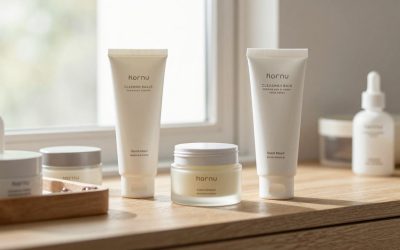
- Top Pick: e.l.f. SKIN Holy Hydration! Makeup Melting Cleansing Balm, 2 oz
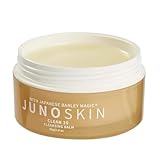
- Best Value: JUNO & Co. Clean 10 Cleansing Balm 10 Ingredients Makeup Remover 85g / 3.0oz
- Premium Choice: Garnier Micellar Water, Hydrating Facial Cleanser & Makeup Remover, Suitable for Sensitive Skin, Vegan, Cruelty Free, 13.5 Fl Oz (400mL), 1 Count
Last updated: October 4, 2026
The choice between a cleansing balm and micellar water feels simple until you are standing at your bathroom sink at 11 p.m. trying to remove a full face of sunscreen and waterproof mascara without stripping your skin or staining your towels. Both promise a clean face, but they work in completely different ways and fit very different routines, budgets, and bathroom setups. A balm melts everything with oil, while micellar water lifts it away with tiny cleansing molecules on a cotton pad. Understanding that core difference is what decides which one actually saves you time, money, and counter space. In 2026, with double cleansing now mainstream and sensitive-skin formulas widely available, most people do not need a lab to tell them which is better, they need to know which matches their daily habits.
Quick Verdict
Choose a cleansing balm if you wear long-wear, waterproof, or transfer-resistant makeup, use daily SPF 50, have dry to normal skin, and prefer a thorough, massage-in cleanse that leaves skin soft without extra cotton pads. Choose micellar water if you want the fastest no-rinse cleanse, have sensitive or acne-prone skin that dislikes heavy oils, travel often, or need a low-maintenance option for light makeup and morning refreshes. Many households end up keeping both, using micellar water for quick mornings and balm for the evening reset.
As an Amazon Associate we earn from qualifying purchases at no extra cost to you.



Side by Side
| Feature | Cleansing Balm | Micellar Water |
|---|---|---|
| Comfort / Skin Feel | Rich, buttery texture that melts on contact; leaves a soft, slightly nourished finish. Best for dry or tight-feeling skin when rinsed properly. | Light, water-like feel with no residue. Often feels fresher and less occlusive, ideal if you dislike oily films. |
| Durability / Shelf Life | 12-18 months after opening. Solid balm is stable but can melt in heat above 85°F. Jar format means more exposure to fingers. | 12-24 months after opening. Water-based formula is less heat-sensitive but must stay capped to avoid contamination. |
| Price Range | $11 to $30 for 70g to 100g (2.5 to 3.5 oz). Examples: e.l.f. SKIN Holy Hydration! Makeup Melting Cleansing Balm for under $20 for 2 oz and JUNO & Co. Clean 10 Cleansing Balm for under $20 for 85g / 3.0 oz. | $7 to $15 for 400mL / 13.5 Fl Oz. Examples: Garnier Micellar Water Hydrating Facial Cleanser and Garnier SkinActive Micellar Water For Waterproof Makeup both around $10 for 400mL. |
| Maintenance | Requires scooping, massaging for 30-60 seconds, emulsifying with water, and rinsing. Needs a second cleanser if you double cleanse. | Pour onto reusable or disposable cotton pad, swipe, no rinse required. Minimal steps, minimal cleanup. |
| Space Needed | Compact jar or tub, typically 2.5 x 2.5 x 2 inches. Stores easily on a vanity but needs room for a spatula if included. | Tall bottle, typically 6.5 to 8 inches high x 3 inches wide for 400mL. Higher vertical footprint, plus space for cotton pads. |
| Look / Packaging | Small, opaque jars with minimalist skincare aesthetic. Looks tidy and premium on open shelving. | Clear plastic bottle with micelle solution visible. Practical, lightweight, and recyclable, but bulkier visually. |
| Resale / Waste Factor | Low waste if you use every gram; jar is often recyclable PET or glass. No ongoing cotton pad waste if rinsed with hands. | Bottle recyclable PET, but reliance on single-use cotton pads creates more daily waste unless you use washable pads. |
| Best For | Full-glam, waterproof makeup, mineral sunscreen, and dry skin that benefits from oil-based pre-cleanse. | Sensitive skin, light or no makeup days, oily skin, and anyone who wants a 30-second cleanse. |
| Ease of Use | Moderate learning curve; needs correct amount (pea to almond size, about 2-4 grams) and thorough rinsing. | Very beginner-friendly; no technique, temperature, or water pressure needed. |
| Travel Friendliness | Solid, spill-proof, TSA-friendly under 3.4 oz if you choose a 2 oz jar. Risk of melting in checked luggage in summer. | Liquid limits apply; 400mL is checked-luggage only. Must decant to 3.4 oz / 100mL bottle for carry-on. |
Where Cleansing Balm Wins
A cleansing balm is an oil-based solid that turns to oil and then to a milky emulsion when you add water. That chemistry is what makes it exceptionally good at dissolving what water alone cannot.
First, it removes stubborn layers in one step. Waterproof mascara, liquid lipstick, silicone-based primers, and water-resistant sunscreens break down faster with an oil than with surfactants on a pad. You massage an almond-sized scoop onto dry skin for about 45 seconds and watch everything slip, then rinse clean. No tugging around the eyes and no leftover tint on your towel.
Second, it is kinder to a dry or compromised barrier when used correctly. Rather than dragging a pad across your face several times, you use your fingertips. Ingredients like shea butter, ceramides, and mild emulsifiers in balms such as the JUNO & Co. Clean 10 Cleansing Balm, which limits its formula to 10 ingredients, and the e.l.f. SKIN Holy Hydration! Makeup Melting Cleansing Balm leave skin feeling supple instead of squeaky. For people who double cleanse, the balm is step one, followed by a gentle water-based cleanser, which prevents that tight, stripped sensation.
Third, it is efficient on consumables. A 85g jar lasts most daily users 60 to 90 days because you only need 2 to 3 grams per use. There are no cotton pads to repurchase, wash, or throw away, and a solid jar will not leak in a gym bag or drawer. If your vanity is already crowded with toners and serums, one small jar replaces a tall bottle plus a stack of pads.
Where Micellar Water Wins
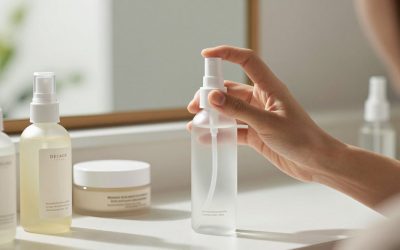
Micellar water is purified water with micelles, tiny clusters of mild surfactants that act like magnets for oil, dirt, and makeup. You do not need to rinse, which changes the entire experience.
Speed and simplicity are the biggest advantages. Soak a pad, press gently for five seconds on the eyes or lips, then glide across the face. The whole process takes under a minute and uses only lukewarm or no water at all, which matters on late nights, early mornings, or when your sink is not nearby. It is also the most accessible option for sensitive skin that reacts to fragrance, essential oils, or heavy butters. Formulas like Garnier Micellar Water Hydrating Facial Cleanser, Suitable for Sensitive Skin, and Garnier SkinActive Micellar Water For Waterproof Makeup are fragrance-free leaning, vegan, cruelty free, and designed to be used without rubbing hard.
Maintenance is lower than any balm. No scooping, no emulsifying, no need to ensure water temperature is right, and no oily residue left in the sink. For oily or acne-prone skin, the weightless finish can feel more comfortable than an oil, especially in humid climates or summer months when skin already produces more sebum.
Cost per cleanse is often lower at the start. For under $10 for 400mL, a Garnier bottle delivers roughly 130 to 200 uses if you use 2 to 3 mL per pad and one to two pads per cleanse. Even with the added cost of cotton rounds at $0.01 to $0.03 each, the entry price is hard to beat, and you can find it at any drugstore.
Cost Over 5 Years
To estimate real cost, assume one cleanse per day, 365 days per year.
For a cleansing balm in the $12 to $15 range for 70g to 85g, expect to repurchase every 2 to 3 months. That is 4 to 6 jars per year, or $48 to $90 annually. Over five years, that totals $240 to $450. If you pair it with a separate gentle cleanser for double cleansing at $10 to $18 every 3 months, add another $200 to $360 over five years. No cotton pads are needed, so consumable cost stays predictable.
For micellar water at $8 to $13 for 400mL, most users finish a bottle every 2 to 3.5 months. That is 3 to 6 bottles per year, or $26 to $78 annually. Over five years, that is $130 to $390. Add 400 to 730 cotton pads per year at $4 to $12 per 100-count bag, or $16 to $88 annually. Over five years, pads add $80 to $440, bringing the combined total to $210 to $830 depending on whether you use washable pads, which cost $10 to $16 for a 12-pack and last 1 to 2 years with weekly laundering.
The takeaway: micellar water is cheaper at checkout, but pad costs narrow the gap over time. A balm has a higher upfront jar price but fewer hidden consumables, especially if you already own a daily cleanser.
Which One for Your Home
Small Apartment or Tiny Bathroom
If counter space is limited to a single shelf or a narrow pedestal sink, a cleansing balm wins on footprint. A 2 oz jar from e.l.f. SKIN takes up less than half the vertical space of a 400mL micellar bottle and eliminates the need to store a bulky bag of cotton pads. It also keeps your laundry footprint small, which matters when you do not have in-unit laundry for reusable pads. Keep micellar water only as a small decant for touch-ups if you are extremely short on storage.
Family With Kids or Pets
For a busy family bathroom, micellar water is often the practical household workhorse. It is fast, requires no hot water, and older kids and teens can use it safely without making a greasy mess around the sink. There is no open jar for little fingers to dip into, and a bottle with a flip cap is easier to keep hygienic. If pets tend to knock things off counters, a lightweight plastic bottle is also less risky than a glass jar. Reserve a balm for parents who wear heavier makeup and can store it on a higher shelf.
Rental or Shared Housing
Renters and roommates benefit from low-maintenance, low-mess options that do not clog drains or leave residue. Micellar water leaves no oily film in a shared sink and does not require deep rinsing that can splash. It is also the most travel-compliant for frequent movers; you can use up a bottle before a move without worrying about a half-melted balm in a hot moving truck. If you do choose a balm in a rental with older plumbing, rinse with warm rather than cold water and emulsify fully to prevent buildup.
Long-Term Home or Dedicated Vanity
If you have a permanent vanity, good lighting, and a consistent evening routine, a cleansing balm feels more like self-care and performs better long term. The massage step helps dissolve daily sunscreen thoroughly, which is crucial if you reapply SPF 30 to 50 every two hours outdoors. Homeowners who invest in a full skincare routine will appreciate that one balm replaces makeup wipes entirely and pairs cleanly with a favorite second cleanser. Keep a micellar water like the Garnier Hydrating version in the linen closet for mornings, post-workout, or when you want a no-water refresh.
FAQ
Do I need to double cleanse if I use a cleansing balm?
Not always, but most dermatologists recommend it. The balm breaks down oil-based makeup and sunscreen, then a gentle water-based cleanser removes sweat, remaining residue, and the balm itself. If you wear light makeup or just sunscreen, you can rinse the balm very thoroughly with lukewarm water and skip step two. If you wear waterproof makeup or have acne-prone skin, follow with a mild cleanser to keep pores clear.
Is micellar water enough to remove waterproof makeup?
Standard micellar water can struggle with long-wear waterproof mascara and eyeliner. If waterproof makeup is part of your daily look, choose a formula specifically labeled for waterproof makeup, such as Garnier SkinActive Micellar Water For Waterproof Makeup, press a soaked pad on the area for 10 seconds before wiping, and expect to use two pads instead of one. For heavy waterproof looks, a balm will still be faster and require less rubbing.
Which is better for sensitive or dry skin?
Both can work, but they suit different sensitivities. If your skin stings with fragrances, rubbing, or cotton friction, a fragrance-light balm applied with fingertips may feel calmer. If your skin reacts to oils, butters, or occlusive textures, a micellar water with minimal ingredients and no rinse will feel lighter and less likely to leave residue. Check ingredient lists for alcohol denat, fragrance, and essential oils if you know your triggers, and patch test for 24 hours.
Can I use micellar water and cleansing balm together?
Yes, and many people do. Use micellar water in the morning or to remove light makeup on the go, and use cleansing balm at night to dissolve sunscreen and heavier makeup before your regular cleanser. Do not layer them at the same time, just pick the one that fits the moment. If you use reusable pads with micellar water, wash them every two to three uses in warm water to keep them hygienic.