Last updated: October 4, 2026
Finding a sunscreen that actually fits into your daily routine is harder than it should be. The best sunscreen for women isn’t simply the one with the highest SPF number on the label — it’s the one you’ll reapply without frustration, that layers cleanly under makeup, and that doesn’t leave a chalky cast or a greasy film. Buyers navigating this category face a genuine dilemma: lightweight formulas that disappear into skin often sacrifice water resistance, while heavy-duty options that survive a workout can feel suffocating on a humid afternoon.
What separates a worthwhile pick from a shelf gatherer is the balance between protection level, cosmetic elegance, and skin compatibility. A sunscreen with SPF 70 means very little if you skip three out of five days because it pills under moisturizer. Across the eight options below, owner feedback and published specs reveal clear patterns in who each formula serves best, and which compromises come with each price point in 2026.
As an Amazon Associate we earn from qualifying purchases at no extra cost to you.



Quick Picks
| Product | Best for | Price |
|---|---|---|
| Neutrogena Ultra Sheer Dry Touch SPF 70 | Maximum protection on a budget | under $10 |
| La Roche-Posay Anthelios Melt-In Milk SPF 60 | Face and body versatility | under $30 |
| Neutrogena Clear Face SPF 50 | Acne-prone skin | under $20 |
| Hawaiian Tropic Sheer Touch SPF 30 | Everyday casual wear | under $10 |
| EltaMD UV Clear SPF 46 | Sensitive or post-procedure skin | under $50 |
| Aveeno Protect + Hydrate SPF 60 | Sensitive skin that needs moisture | under $20 |
| La Roche-Posay Anthelios Melt-In Milk SPF 100 | Extended outdoor exposure | under $30 |
| Black Girl Sunscreen SPF 30 | Deep skin tones with no white cast | under $10 |
How We Picked
We compared these formulas on four criteria that consistently drive owner satisfaction and repeat purchases in this category: protection level relative to cosmetic feel, ingredient suitability for common skin concerns (acne, sensitivity, dryness), value per fluid ounce across the stated sizes, and whether the SPF claims are paired with meaningful water or sweat resistance. Formulas that scored well on specs but generated recurring complaints about pilling, cast, or irritation were ranked accordingly.
The 8 Best Sunscreen For Women in 2026
Neutrogena Ultra Sheer Dry Touch SPF 70
This is the go-to when you want the highest SPF in a drugstore formula without paying premium prices. Owners describe a matte, dry-touch finish that layers reasonably well under makeup for the price tier. The 3 fl. oz bottle for under $10 makes it easy to keep one in a bag and one at home.
- SPF 70 provides a generous margin above the minimum recommendation, useful for fair or photosensitive skin.
- The Dry Touch finish reduces the greasy feeling that heavier chemical filters can create on combination skin.
- Some users with very dry skin report a tight or slightly drying sensation after repeated all-day wear.
Skip it if your priority is a hydrating base that doubles as a moisturizer, or if you need a formula that survives long swims without reapplication anxiety.
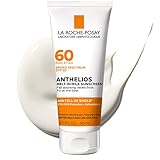
La Roche-Posay Anthelios Melt-In Milk SPF 60
A mid-range workhorse that earns loyalty through sheer spreadability. The milk texture melts into skin without rubbing in streaks, which owners with uneven skin tone or visible texture appreciate. For under $30, it sits between drugstore basics and dermatologist brands.
- The melt-in consistency makes it one of the easiest sunscreens to apply evenly across both face and body without a second pass.
- Broad-spectrum SPF 60 covers daily urban exposure and moderate outdoor time without feeling heavy.
- The price per ounce climbs quickly when used generously on the body, making it less economical as a full-body solution.
Skip it if budget is the primary constraint, or if you need a tinted formula for an extra layer of visible-light protection.
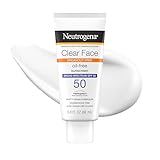
Neutrogena Clear Face SPF 50
Designed explicitly for acne-prone skin, this formula earns its name by avoiding the pore-clogging ingredients that make many sunscreens a breakout trigger. The lightweight lotion texture absorbs quickly, and owners with oily or combination skin report fewer closed comedones compared to richer alternatives.
- Non-comedogenic formulation specifically addresses the common complaint of sunscreen-induced breakouts along the jawline and forehead.
- SPF 50 is sufficient for daily use, and the price point for under $20 keeps consistent reapplication realistic.
- The 3 fl. oz size runs out faster than expected for anyone applying to both face and neck.
Skip it if you have normal-to-dry skin that benefits from added hydration, or if you’re looking for a formula with physical blocking agents like zinc.
Hawaiian Tropic Sheer Touch SPF 30
This is the sunscreen people actually enjoy applying, which matters more than any SPF number when compliance drops off. The sun-and-mango scent and moisturizing base make it a low-friction choice for daily errands. For under $10 for 8 oz, the value per ounce is the best on this list.
- The 8 oz size and under $10 price make it the most cost-effective option for family or full-body use.
- The sheer, moisturizing texture layers comfortably under other skincare without pilling, per owner reports.
- SPF 30 is the minimum viable protection level, so anyone with fair or burn-prone skin may want to step up.
Skip it if your skin burns easily, if you’re spending extended time at altitude or near water, or if fragrance is a trigger for sensitivity.
EltaMD UV Clear SPF 46
A dermatologist staple for reactive, rosacea-prone, or post-procedure skin. The zinc oxide base provides physical protection while niacinamide works to calm redness simultaneously. Owners consistently note that this is the sunscreen that finally doesn’t sting around the eyes or aggravate compromised barriers.
- Zinc oxide makes it compatible with skin that reacts poorly to chemical filters, and the formula is fragrance-free.
- Niacinamide adds a genuine skincare benefit beyond UV protection, helping with uneven tone over time.
- The $45 price for only 1.7 oz makes it the most expensive option here by a wide margin, limiting its use as a body sunscreen.
Skip it if you’re protecting more than your face and neck, or if budget doesn’t allow a premium price for a small tube.
Aveeno Protect + Hydrate SPF 60
This formula targets a specific gap: sunscreens that hydrate without feeling heavy. The prebiotic oat and ceramide blend earns owner praise from people with sensitive, dry skin who find most high-SPF lotions stripping. The 80-minute water and sweat resistance also extends its usability beyond purely indoor days.
- The combination of SPF 60 protection and a hydrating, paraben-free formula addresses both efficacy and skin comfort in one step.
- Water and sweat resistance rated at 80 minutes makes it suitable for light outdoor activity without immediate reapplication pressure.
- Some owners note a subtle white residue on deeper skin tones, so it’s best suited to fair-to-medium complexions.
Skip it if you have oily skin that struggles with added moisture, or if you need a fully transparent finish across deeper skin tones.
La Roche-Posay Anthelios Melt-In Milk SPF 100
SPF 100 sounds excessive until you consider fair-skinned individuals at high altitude, on the water, or managing photosensitivity from certain medications. Owners who’ve used this during extended outdoor days report fewer sunburn incidents compared to lower-SPF alternatives, and the milk texture keeps application comfortable despite the protection level.
- SPF 100 provides the most headroom against application errors, which are the real-world reason high-SPF products exist.
- The 3 oz bottle for under $30 is priced accessibly for a premium-protection formula, undercuts the SPF 60 version above.
- The higher filter load can feel slightly heavier on the skin than the SPF 60 formulation, and some owners note it takes longer to absorb fully.
Skip it if your typical exposure is an office day with a short commute, where SPF 50 is more than adequate and the texture benefit isn’t needed.
Black Girl Sunscreen SPF 30
Addressing a long-standing gap in the market, this formula was built around the reality that white cast isn’t just cosmetic — it makes sun protection feel like a trade-off that people with deep skin tones shouldn’t have to accept. The lotion dries completely clear and doubles as a moisturizer, which owners cite as the primary reason they maintain a daily routine.
- Zero white cast makes consistent daily use psychologically easier, removing the friction that causes many people to skip sunscreen entirely.
- The 2 fl. oz size for under $10 is reasonable for a face-focused product with dual moisturizing function.
- SPF 30 is the entry level, and the smaller bottle size means replacement frequency is higher for anyone with a generous hand.
Skip it if you need more than minimal daily protection, or if you’re looking for a full-body formula that lasts beyond a few weeks.
Buying Guide
Matching SPF to Your Actual Sun Exposure
SPF 30 filters roughly 97% of UVB rays, while SPF 50 filters about 98% — a small numerical difference that still matters for people who burn in under ten minutes. If your day involves a short walk and an office, SPF 30 with a generous application is defensible. If you’re fair-skinned, on a boat, or at altitude, the headroom in SPF 60 or SPF 70 compensates for imperfect application, which is what actually causes sunburn in real life.
Physical vs. Chemical Filters and Skin Reactivity
Zinc oxide and titanium dioxide sit on the skin’s surface and scatter UV light, making them predictable for reactive, rosacea-prone, or post-procedure skin. Chemical filters absorb UV energy and require a few minutes to set, but they tend to feel lighter and more cosmetically elegant on oily or combination skin. If you’ve experienced stinging, redness, or breakouts from sunscreen in the past, the filter type is the first variable to change.
Texture and Reapplication Compliance
The most protective sunscreen is the one you reapply every two hours outdoors. Formulas with a matte dry-touch finish work best under makeup. Milk and lotion textures spread more evenly on the body. If a sunscreen feels like a chore to apply, owners report abandoning it within a week, which means the protection level on the label becomes irrelevant.
Our Verdict
The top pick is La Roche-Posay Anthelios Melt-In Milk SPF 60, because it delivers broad protection with a texture that removes application friction across both face and body — a balance few formulas for under $30 manage. The budget pick is Hawaiian Tropic Sheer Touch SPF 30, which for under $10 for 8 oz provides the best value per ounce and the highest likelihood of consistent use for casual daily exposure. However, if you have reactive or post-procedure skin, EltaMD UV Clear SPF 46 wins decisively despite its price, because no amount of SPF headroom helps if your barrier can’t tolerate the filter system.
FAQ
Do I need SPF 100 if I already use SPF 50?
For most daily routines, SPF 50 applied generously and reapplied on schedule is more than sufficient. SPF 100 becomes relevant for extended high-exposure situations where reapplication is difficult, or for people with very fair skin or medication-induced photosensitivity who need a wider margin of error.
Why does some sunscreen leave a white cast?
Physical filters like zinc oxide are naturally white and scatter visible light, which creates a grey or ashy appearance on deeper skin tones. Tinted formulas or chemical filters avoid this issue, which is why Black Girl Sunscreen and similar products are formulated specifically to dry transparent.
Can I use body sunscreen on my face?
Technically yes, but many body formulas contain thicker occlusive bases or fragrances that can clog facial pores or cause stinging around the eyes. If you want a single product for both, choose a lightweight milk texture like the La Roche-Posay options above, which owners report working across face and body without irritation.
How often should I replace a sunscreen bottle?
Most sunscreens have a stability window of one to two years after opening, and heat accelerates degradation of the active filters. If the formula separates, smells off, or changes texture noticeably before the printed expiration date, replace it regardless of remaining volume.