Last updated: November 23, 2026
Disclosure: As an Amazon Associate, I earn from qualifying purchases.
Vitamin E oil and squalane oil are two of the most searched single-ingredient face oils, often shelved side by side as if interchangeable. They are not. One is a thick, slow antioxidant oil, almost a spot treatment; the other is a featherlight emollient that disappears into skin within minutes. Both moisturize, and both can earn a place in a routine — but they suit different skin types, times of day, and jobs. This comparison breaks down how each oil behaves, what the labels mean, and where five well-known products fit.
The Core Difference
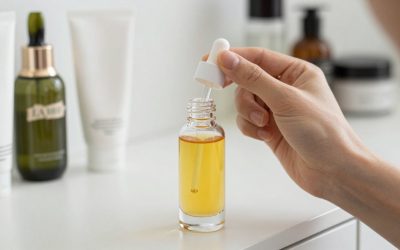
Vitamin E oil is tocopherol, a fat-soluble antioxidant vitamin. In pure form it is thick — closer to warm honey than to a typical face oil — and sits on skin for a long time. That persistence is the point: it seals in moisture and delivers antioxidant protection, but it also makes pure vitamin E oil a poor all-over daytime product. Strength is printed on the bottle in IU, and the form matters: natural d-alpha-tocopherol is the form found in food, while tocopheryl acetate is a more stable ester that skin converts more slowly. Many bottles are blends, with tocopherol diluted in carrier oils such as sunflower or jojoba to make it spreadable.
Squalane is something else entirely: the hydrogenated, shelf-stable form of squalene, a lipid your own sebum already contains. Because skin recognizes it, squalane spreads easily, absorbs quickly, and leaves a dry, silky finish. Modern cosmetic squalane is plant-made, usually from sugarcane or olives. It is an emollient, not an antioxidant treatment: its job is to soften skin and reduce surface water loss without weight.
In short: vitamin E oil is the richer, more occlusive option, best used sparingly, at night, or mixed into a cream. Squalane is the everyday workhorse — light, stable, and comfortable for nearly every skin type, including oily skin that avoids most oils.
How to Choose
Start with texture. If you dislike residue on your face, squalane is the safer first buy. If your skin is very dry or flaky and you want a heavy seal over moisturizer at night, vitamin E oil does that job better.
Match the oil to the slot in your routine. Squalane works morning or night and layers under sunscreen and makeup. Vitamin E oil is usually a final evening step, a spot oil for dry patches and cuticles, or a few drops stirred into body lotion.
Read the form, not just the headline. For vitamin E oil, check whether the label says d-alpha-tocopherol (natural form) or tocopheryl acetate (ester form), and whether the oil is pure or already diluted in carrier oils — a blend feels lighter and absorbs faster. For squalane, the label should simply say squalane; the source makes little practical difference on skin.
Be honest about sensitivity. Pure tocopherol can cause contact dermatitis in some people. Squalane is among the best-tolerated oils, but no oil suits everyone. Patch test either one first.
The Products
Cliganic Pure Vitamin E Oil, 30,000 IU

Specs
- Form: Natural d-alpha tocopherol, 100 percent pure and undiluted
- Strength: 30,000 IU
- Source: Non-GMO soybean oil, Non-GMO Project Verified
- Size: 1 fl oz amber glass bottle with dropper
- Use: Face, body, hair, nails, and cuticles
This is the reference point for the vitamin E side: pure, natural-form tocopherol with nothing else in the bottle. It has the full honey-like thickness that defines the category — excellent as a night-time seal over moisturizer or a targeted oil for dry patches, but heavy as a standalone face oil. Because it is undiluted, a little goes a long way, and mixing two or three drops into a cream is the easiest way to use it daily. Start here if you want to know exactly what vitamin E oil feels like — and patch test first, because concentrated tocopherol is the form most likely to irritate sensitive skin.
PURA D’OR Organic Vitamin E Oil Blend, 70,000 IU

Specs
- Form: D-alpha tocopherol blended in organic carrier oils
- Strength: 70,000 IU across the blend
- Blend: Sunflower, avocado, sweet almond, apricot, jojoba, argan, and rosehip oils
- Certification: USDA certified organic, hexane-free
- Size: 4 fl oz bottle
PURA D’OR takes the opposite approach: instead of pure tocopherol, it dilutes vitamin E into a seven-oil organic blend, making it far more spreadable and better suited to body, bath, and hair. The headline IU figure covers the whole blend, so compare it on texture and use, not the number alone. This is the pick for people who want one bottle for face, body, and dry ends and found pure vitamin E oil too sticky to finish. The trade-off is dilution — less tocopherol per drop in exchange for an oil you will actually enjoy using.
JASON Vitamin E Skin Oil, 45,000 IU

Specs
- Form: Tocopheryl acetate blended with botanical oils
- Strength: 45,000 IU
- Blend: Includes black currant, evening primrose, and macadamia oils
- Size: 2 fl oz bottle
- Use: Face, body, and bath oil
JASON’s long-running skin oil uses tocopheryl acetate, the stable ester form, carried in botanical oils. The acetate form converts to active vitamin E in skin more gradually, and the formula feels lighter and less tacky than pure d-alpha tocopherol oils. It is a maximum-strength moisturizing oil for dry spots on the body rather than a precision face oil. Choose it if you want a thinner texture and a bigger bottle for body use. As with every product here, the IU number describes vitamin E content; it is not a promise about scars or wrinkles.
The Ordinary 100% Plant-Derived Squalane

Specs
- Form: 100 percent plant-derived squalane, single ingredient
- Source: Sugarcane-derived, made by DECIEM
- Size: 1 fl oz (30 ml) bottle with dropper
- Fragrance: Fragrance-free
- Use: Face and hair, all skin types
This is the benchmark squalane: one ingredient, no fragrance, and the dry-touch finish that made squalane popular with people who thought they hated face oils. It absorbs within minutes, leaves no greasy film, and works as a daily moisturizer topper or stand-alone light oil for oily and combination skin. If your hesitation about vitamin E oil is the sticky, slow feel, this bottle is the opposite end of the spectrum. The 30 ml size runs out fast on body use, so treat it as a face-first product.
Biossance 100% Squalane Oil

Specs
- Form: 100 percent squalane, single ingredient
- Source: Sugarcane-derived
- Size: 3.3 fl oz (100 ml) bottle
- Profile: Vegan formula
- Use: Face, body, and hair
Biossance sells the same single ingredient in a much larger bottle: squalane as an all-over face and body oil, not just a dropper for the face. The texture is the same weightless, fast-absorbing kind, suiting people who want one light oil for everything, from after-shower body moisturizing to hair ends. Pick it if you already know squalane works for you and you go through it quickly; pick the smaller bottle first if you are still deciding between the two oil families.
Usage and Buying Notes
Patch test any new oil before putting it on your face: apply a little to the inner forearm or behind the ear daily for a few days and watch for redness, itching, or bumps. This matters most with concentrated vitamin E oil, which can cause contact dermatitis in a minority of users.
A word of honesty about the most famous vitamin E claim: the idea that vitamin E oil removes scars or fades stretch marks is popular, but strong clinical evidence does not support it. It moisturizes skin over a scar, making the area feel more comfortable and look less dry — a fair reason to use it — but expect softer skin, not erased marks.
Layering order is simple: water-based serums first, then oil, then sunscreen in the morning. Vitamin E oil is better placed at night, on dry patches, or mixed into a moisturizer rather than layered neat over the whole face. Neither oil is a sunscreen, and neither replaces one.
Store both oils away from heat and light. Squalane is very stable; vitamin E blends with unsaturated carrier oils go off faster once opened, so buy a size you will finish within a few months.
FAQ
Can I use vitamin E oil and squalane together?
Yes. Use squalane as your daily layer and vitamin E oil as an occasional night-time seal on dry areas, or mix a drop of vitamin E oil into squalane or moisturizer to thin its texture. The two do not conflict.
Which oil is better for oily or acne-prone skin?
Squalane, for most people: it is lightweight, absorbs fully, and is well tolerated by oily skin. Pure vitamin E oil is thick and occlusive, which many oily skin types find uncomfortable; keep it to small dry areas rather than the whole face.
Does vitamin E oil remove scars or stretch marks?
No strong evidence says it does. Vitamin E oil is a good moisturizer, and keeping scarred skin well moisturized can improve how it looks and feels, but the oil itself has not been shown to remove scars or stretch marks. Buy it for moisture, not for that promise.
Which oil works better under makeup?
Squalane. Two or three drops pressed in and given a couple of minutes to settle make a smooth base that does not fight foundation. Vitamin E oil stays tacky and can make makeup slide, so keep it to evening routines.
How much oil should I use at a time?
Less than you think. Two to four drops of squalane cover the whole face. For pure vitamin E oil, one or two drops is plenty, or mix a single drop into your moisturizer — more does not work faster, it just gets stickier.
Conclusion
Vitamin E oil and squalane oil are both worth owning, but for different reasons. Choose squalane — The Ordinary for a first bottle, Biossance for a larger supply — if you want a light, daily emollient that goes with everything. Choose vitamin E oil — Cliganic for the pure natural form, PURA D’OR for a lighter organic blend, JASON for a body-friendly acetate formula — if you want a rich antioxidant oil to seal in moisture at night or soften dry patches. Whichever side you start on, patch test first, keep expectations about scars realistic, and let texture be your guide — the oil you enjoy applying is the one that will help your skin.