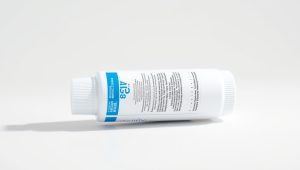
- Top Pick: The Ordinary Salicylic Acid 2% Solution, Acne-Fighting Serum for Blemish-Prone Skin
- Best Value: The Ordinary 100% Organic Cold-Pressed Rose Hip Seed Oil, Addresses Signs of Aging by Improving the Appearance of Uneven Skin Tone, Supporting Skin Elasticity, 1 Fl Oz
- Premium Choice: The Ordinary Niacinamide 10% + Zinc 1%, Smoothing Serum for Blemish-Prone Skin
Last updated: September 7, 2026
As an Amazon Associate we earn from qualifying purchases at no extra cost to you.


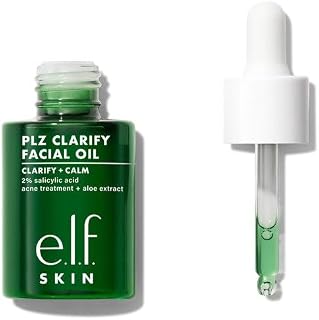


🛒 Best Price Today on Amazon
Prime members get fast, free shipping on everything above, plus member-only deals. New members get a 30-day free trial — cancel anytime.
Introduction
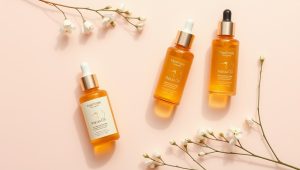
The idea of applying oil to acne-prone skin seems counterintuitive, but the right facial oils can actually help regulate sebum production, soothe inflammation, and improve the skin barrier without triggering breakouts. The key is choosing non-comedogenic oils with low comedogenic ratings that are rich in linoleic acid (which acne-prone skin is often deficient in) rather than oleic acid-heavy oils that can clog pores. When chosen wisely, face oils can be transformative for oily and acne-prone skin types.
Key Ingredients to Look For
- High Linoleic Acid Content: Oils high in linoleic acid (like rosehip, hemp seed, and sea buckthorn) are less comedogenic and help regulate sebum composition, as acne-prone skin tends to produce sebum deficient in linoleic acid.
- Niacinamide or Salicylic Acid: Some face oils designed for acne-prone skin include these actives to provide additional anti-inflammatory and pore-clearing benefits alongside the oil's moisturizing properties.
- Rosehip or Hemp Seed Oil Base: These are among the most studied and trusted carrier oils for acne-prone skin, with proven anti-inflammatory and skin-barrier-supporting properties without significant comedogenic risk.
Top Picks
The Ordinary 100% Plant-Derived Squalane
The Ordinary's pure squalane is one of the best face oil choices for acne-prone skin because it is completely non-comedogenic and mimics the skin's own sebum. It regulates oil production by "tricking" the skin into believing it has sufficient oil, which can reduce excess sebum production over time. The lightweight formula absorbs quickly, leaves no greasy finish, and is entirely fragrance-free — making it ideal for reactive skin types.
Herbivore Lapis Facial Oil
Herbivore's Lapis oil is formulated specifically for oily and acne-prone skin, combining blue tansy (which has powerful anti-inflammatory and anti-acne properties) with hemp seed oil and squalane. The high linoleic acid content helps balance sebum composition while the blue tansy calms redness and irritation from existing breakouts. The striking blue color fades as it absorbs, leaving skin calm, balanced, and hydrated without greasiness.
Trilogy Certified Organic Rosehip Oil
Trilogy's certified organic rosehip oil is one of the most trusted choices for acne-prone skin, rich in linoleic acid and trans-retinoic acid (a natural form of vitamin A) that helps with post-acne scarring and hyperpigmentation. It absorbs quickly for an oil and has anti-inflammatory properties that help calm active breakouts. Used regularly, it visibly improves acne scars, redness, and uneven texture left behind after blemishes heal.
Final Thoughts
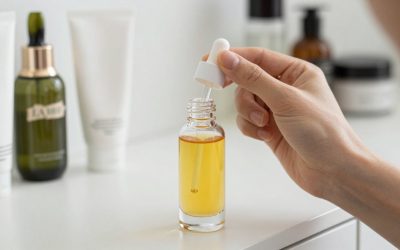
When adding face oil to an acne-prone skincare routine, start with just 2-3 drops applied as the final step before SPF (morning) or as a final nighttime treatment. A patch test on a small area of your jawline or cheek for one week before full-face application helps identify whether any specific oil formula triggers your skin. Less is truly more with facial oils — a small amount goes a long way.
Can Acne-Prone Skin Use Face Oil?
It may seem counterintuitive, but the right face oil can benefit acne-prone skin. Lightweight, non-comedogenic oils high in linoleic acid, like rosehip, jojoba, squalane, and grapeseed, help balance the skin and don’t clog pores. Acne-prone skin is often low in linoleic acid, and replenishing it can actually help normalise sebum. These oils calm inflammation, support the barrier (important when using drying acne treatments), and provide lightweight moisture. The key is choosing non-comedogenic, linoleic-rich oils and avoiding heavy, pore-clogging ones like coconut oil.
How to Use Face Oil on Acne-Prone Skin
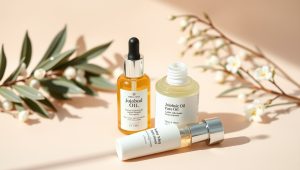
Use face oil sparingly, just one or two drops as the final step of your evening routine to seal in moisture, or mixed into your moisturiser. Patch-test any new oil for a few days before applying all over. Jojoba is an excellent starting point because it closely mimics skin’s own sebum and is well tolerated. Avoid comedogenic oils (coconut, wheat germ) on breakout-prone areas. Used correctly, a lightweight oil supports the barrier through acne treatment, which can reduce the irritation that often makes breakouts worse.
Frequently Asked Questions
Won’t face oil cause more breakouts?
Not if you choose non-comedogenic, linoleic-rich oils like jojoba, squalane, or rosehip. Heavy oils like coconut can clog pores, but lightweight ones can actually help.
Which face oil is best for acne-prone skin?
Jojoba (mimics sebum), squalane, rosehip, and grapeseed are lightweight, non-comedogenic, and high in linoleic acid, which acne-prone skin often lacks.
How much face oil should acne-prone skin use?
Just one or two drops as the final evening step or mixed into moisturiser. Patch-test first and avoid heavy, comedogenic oils.
Related K-Beauty Guides
- Skincare Routine for Beginners: The Complete Step-by-Step Guide
- Best Sunscreen Reapplication Sprays: On-the-Go UV Protection Refresh
- Best Face Steamers for Skincare: Deep Cleanse and Hydrate Your Skin
- Best Derma Rollers for Microneedling: Stimulate Collagen at Home
- Best Face Massage Rollers: Sculpt, Depuff, and Boost Glow
- Best Jade Rollers for Face: Cooling, Depuffing, and Skin-Boosting Benefits
- Best Gua Sha Face Tools: Ancient Ritual for Modern Skin Benefits