Last updated: October 4, 2026
- Bristle Material: Silicone vs. Nylon vs. Natural Hair
- Oscillation vs. Sonic Pulse vs. Rotation Technology
- Speed Settings and Intensity Levels
- Power Source: Rechargeable USB vs. Battery-Operated
- Waterproof Ratings and Shower Compatibility
- Common Buyer Mistakes to Avoid
- When to Spend More on a High-End Device
- Related Guides
- FAQ
Navigating the vast market of facial cleansing tools can feel overwhelming. Choosing the right device is not just about picking a sleek color or the highest price tag, but understanding how bristle types, vibration mechanics, and power sources interact with your unique skin barrier and daily routine.
Whether you want to upgrade your daily regimen or address stubborn textural issues, this decision guide cuts through the marketing noise. We will examine the core specifications that genuinely impact cleansing performance, help you avoid common buyer mistakes, and explain when it is truly worth investing in a premium device.
As an Amazon Associate we earn from qualifying purchases at no extra cost to you.
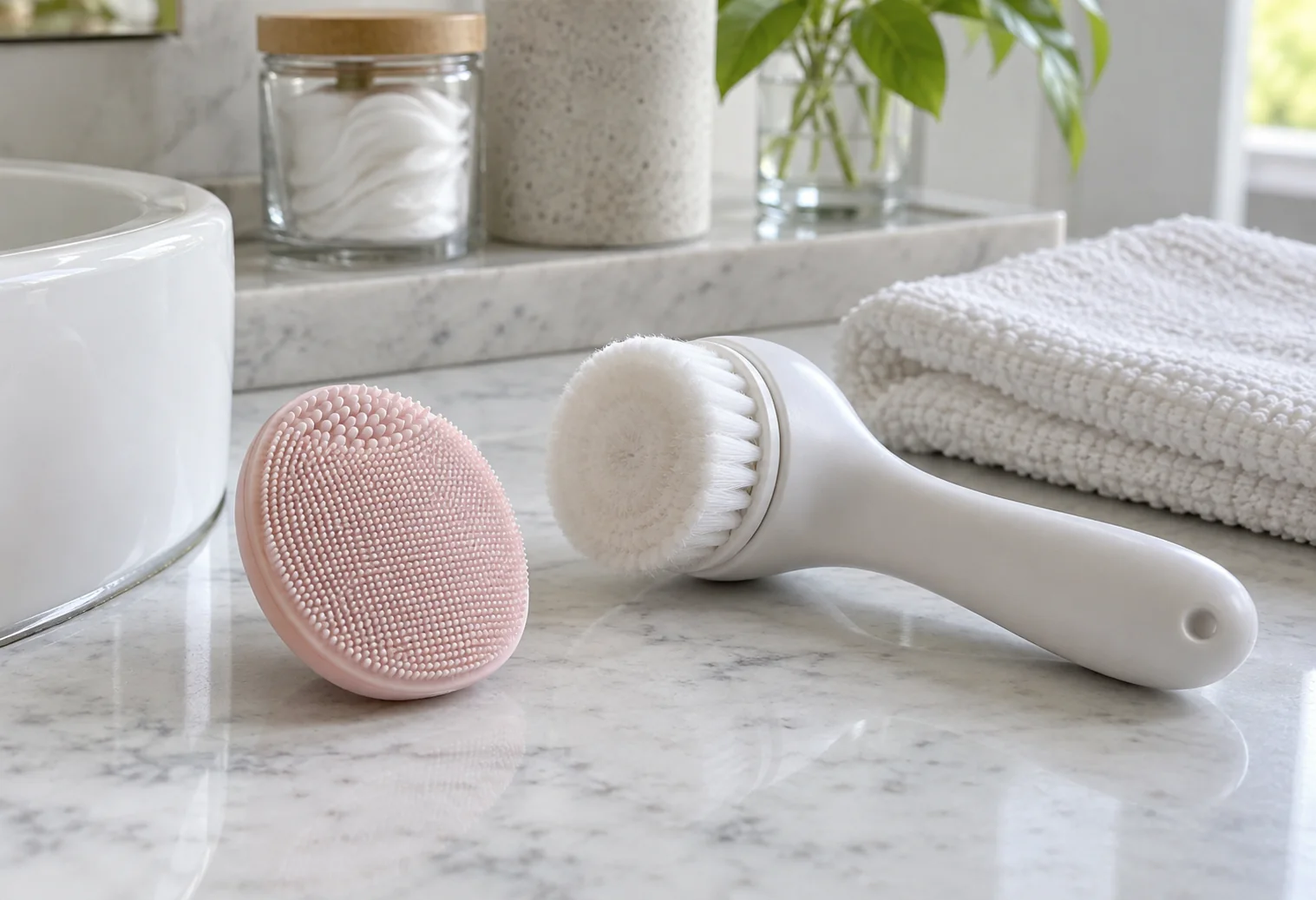
Bristle Material: Silicone vs. Nylon vs. Natural Hair
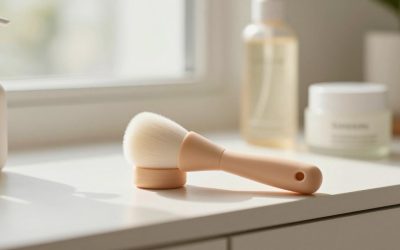
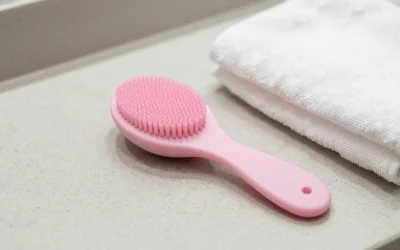
The material of your brush head dictates how the device interacts with the stratum corneum. Silicone touchpoints are generally non-porous, highly hygienic, and gentle enough for regular use, making them ideal for sensitive or acne-prone skin types. They do not harbor bacteria as easily as traditional bristles, which significantly reduces ongoing maintenance requirements.
Nylon bristles offer a more traditional scrubbing sensation and are often tapered to lift dead skin cells effectively. However, they require rigorous cleaning and drying to prevent microbial growth, and coarse nylon can easily cause micro-tears if pressed too hard against the face. Natural hair bristles are rare in modern designs due to hygiene concerns and lack of ethical sourcing, but you may still encounter them in vintage or specialty exfoliating tools.
Oscillation vs. Sonic Pulse vs. Rotation Technology
Understanding mechanical action is critical for selecting a tool that matches your skin’s tolerance. Rotating brush heads spin in a single direction, which provides aggressive mechanical exfoliation. This style is generally discouraged for daily use, particularly for thin or reactive skin, because constant friction can compromise the lipid barrier.
Oscillating brushes move back and forth rapidly at a set angle, lifting debris without pulling or stretching the skin tissue. Sonic pulsation technology uses high-frequency sound waves to ripple the water on the surface of your skin, dislodging oil and makeup from pores without requiring harsh physical friction. Sonic and gentle oscillation methods are universally safer for long-term use across diverse skin types.
Speed Settings and Intensity Levels
A single-speed cleansing brush is rarely versatile enough to accommodate changing skin needs. Skin barrier resilience fluctuates due to weather, hormonal shifts, and active ingredient usage like retinoids or chemical exfoliants. Look for devices that offer at least two or three distinct intensity levels.
Lower settings allow for gentle morning cleansing or soothing post-workout cool-downs, while higher settings can target oilier zones like the forehead, nose, and chin. If your skin feels tight or looks red after cleansing, your device’s setting is too high or your usage is too frequent, signaling that you need to dial back the intensity immediately.
Power Source: Rechargeable USB vs. Battery-Operated
Power delivery impacts both convenience and long-term device longevity. Battery-operated models, typically using standard household batteries, are affordable upfront and convenient for travel. However, as the battery drains, the motor power drops, resulting in sluggish performance and inconsistent cleansing efficacy.
Rechargeable USB models maintain consistent motor power throughout the entire battery cycle, ensuring optimal performance every single time you use it. While they cost more initially, they eliminate the ongoing hassle and environmental waste of buying replacement batteries, making them the superior long-term investment for a consistent skincare routine.
Waterproof Ratings and Shower Compatibility
Because these devices are used with water and cleansers, waterproof integrity is non-negotiable. Always check the official IPX waterproof rating before purchasing. An IPX7 rating means the device can withstand accidental submersion, allowing you to use it safely in the shower without risking internal water damage.
Devices with lower waterproof ratings might only tolerate light splashes at the sink. If you prefer streamlining your routine by cleansing in the shower, ensure the charging port is sealed or induction-charged to prevent moisture from compromising the internal electronics over time.
Common Buyer Mistakes to Avoid
One of the most frequent mistakes users make is treating a cleansing brush as a direct replacement for chemical exfoliants like AHAs and BHAs. Combining aggressive mechanical scrubbing with potent acids is a fast track to a damaged moisture barrier, chronic inflammation, and increased sensitivity.
Another pitfall is pressing the brush firmly against the face during use. Modern devices are engineered to do the work through their mechanical action; applying manual pressure only increases friction and irritation. Let the brush glide effortlessly across your skin using light, circular motions.
When to Spend More on a High-End Device
Budget-friendly cleansing brushes can effectively remove surface dirt and makeup, but premium devices justify their higher price tags through advanced engineering, superior materials, and longevity. You should consider spending more if you want medical-grade antibacterial silicone, smart app connectivity that tracks your cleansing habits, or ergonomic designs that reduce wrist strain.
Higher-end models also tend to feature better battery retention, robust warranties, and gentler, more sophisticated vibration motors that protect your skin barrier over years of continuous use. Evaluating your skin goals and budget will help you determine the right tier for your routine.
Related Guides
For more detailed recommendations and head-to-head testing, explore our Best Face Cleansing Brushes in 2026: Compared and Ranked. You can also read our expert analysis on the Best Facial Cleansing Devices and Brushes in 2026: Compared and Ranked, or discover top picks in our roundup of the Best Facial Cleansing Brushes in 2026: Compared and Ranked.
FAQ
How often should I replace my cleansing brush head?
If you use a device with nylon bristles, you should replace the brush head every three months to prevent bacterial buildup. Silicone devices generally do not require head replacements if cleaned properly after each use, lasting for the lifetime of the tool.
Can I use a cleansing brush if I have active acne?
You should avoid using a cleansing brush directly over active, inflamed cystic acne or open blemishes, as the mechanical action can rupture lesions and spread bacteria. Instead, use the device gently on non-affected areas and treat breakouts with targeted spot treatments.
Is it safe to use a facial cleansing brush twice a day?
Using a cleansing brush twice a day is generally too abrasive for most skin types and can easily strip the natural moisture barrier. It is best to limit usage to once a day during your evening routine, or even two to three times a week if you have sensitive skin.
How do I properly clean and sanitize my device?
Wash your device head thoroughly with warm water and antibacterial liquid soap or a dedicated silicone cleanser immediately after every use. Allow it to air dry completely in a well-ventilated area to prevent mold and mildew from accumulating on the surface.