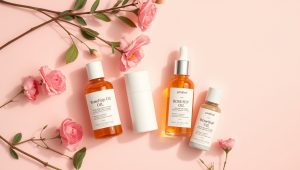
- Top Pick: The Ordinary 100% Organic Cold-Pressed Rose Hip Seed Oil, Addresses Signs of Aging by Improving the Appearance of Uneven Skin Tone, Supporting Skin Elasticity, 1 Fl Oz
- Best Value: Yoken Organic Rosehip Seed Oil for Face, Pure Natural Cold Pressed, 2oz
- Premium Choice: Kate Blanc Cosmetics Rosehip Seed Oil for Face, 100% Pure, Organic (1oz)
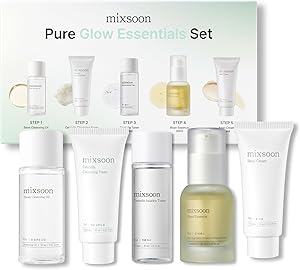
TL;DR: Korean rosehip oil formulations leverage cold-pressed Rosa Canina Fruit Oil rich in linoleic acid (35–45%), alpha-linolenic acid (20–25%), and naturally occurring trans-retinoic acid precursors. Best used in PM routines on damp skin before moisturizer. Key differentiator vs. generic rosehip oils: Korean formulas combine it with fermented actives and ceramides for enhanced barrier integration.
- Top Picks at a Glance
- Rosehip Oil Fatty Acid Profile and Skin Function
- INCI and Specification Reference Table
- How to Use Korean Rosehip Oil in Your Skincare Routine
- Oxidative Stability: The Critical Quality Factor
- Rosehip Oil vs. Other Korean Facial Oils: When to Choose Which
- Frequently Asked Questions
- Final Verdict
Korean Rosehip Oil Facial Guide: INCI Analysis and Formulation Science
Rosehip oil (INCI: Rosa Canina Fruit Oil, Rosa Rubiginosa Seed Oil, or Rosa Mosqueta Oil) has been part of Korean skincare formulation for years, but the Korean approach to this ingredient differs meaningfully from the Western habit of applying pure rosehip oil straight from a dropper. Korean cosmetic labs use rosehip oil as a component within a broader lipid matrix — blended with ceramides, squalane, plant sterols, and fermented extracts — to optimize barrier integration, stability, and active delivery.
As an Amazon Associate we earn from qualifying purchases at no extra cost to you.

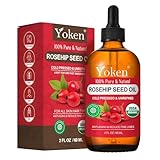


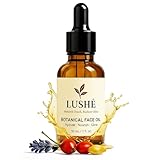
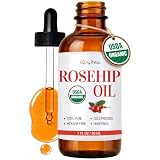
The bioactive value of rosehip oil lies in its fatty acid composition and minor constituent profile. Linoleic acid (omega-6, 35–45%) restores stratum corneum lipid structure — a particularly important function because acne-prone and aging skin is characteristically linoleic acid-deficient. Alpha-linolenic acid (omega-3, 20–25%) provides anti-inflammatory prostaglandin modulation. The oil’s minor constituent profile includes tocopherols (Vitamin E), beta-carotene precursors, and trace retinoic acid in some extraction grades — the latter responsible for rosehip oil’s modest but documented retinoid-like activity.
Top Picks at a Glance


As an Amazon Associate we earn from qualifying purchases. Product prices and availability are accurate as of the date/time indicated.




As an Amazon Associate we earn from qualifying purchases. Product prices and availability are accurate as of the date/time indicated.


As an Amazon Associate we earn from qualifying purchases. Product prices and availability are accurate as of the date/time indicated.
Rosehip Oil Fatty Acid Profile and Skin Function
Understanding rosehip oil’s fatty acid composition explains both its benefits and its limitations. The high linoleic acid content (35–45%) makes it a functional corrective oil for two major skin concerns: compromised barrier function and comedone formation. Research by Downing et al. established that sebum from acne-prone skin is disproportionately high in oleic acid and deficient in linoleic acid — topical linoleic acid application helps normalize this ratio, reducing comedogenicity.
The omega-3 alpha-linolenic acid (20–25%) modulates eicosanoid synthesis, shifting the skin’s inflammatory response toward resolution rather than amplification. This makes rosehip oil relevant for redness-prone, post-breakout, and barrier-disrupted skin — not just for anti-aging. The key supporting lipids in premium Korean rosehip formulations build on this foundation:
- Squalane (Squalane): Stable, non-comedogenic emollient that extends rosehip oil’s skin feel and reduces oxidation rate in the blend
- Ceramide NP (Ceramide NP): Fills intercellular lipid gaps alongside the fatty acids rosehip provides, for complete barrier reconstruction
- Tocopherol (Tocopherol): Antioxidant that stabilizes the polyunsaturated fatty acids in rosehip oil against oxidation, extending shelf life and preserving skin benefit
- Bakuchiol or Retinol: Some premium Korean facial oils combine rosehip with bakuchiol to synergize the retinoid-like activity of rosehip’s minor constituents with bakuchiol’s receptor-level collagen stimulation
INCI and Specification Reference Table
| Rosehip Oil Format | INCI Name | Linoleic Acid % | Oxidative Stability | Best Application |
|---|---|---|---|---|
| Cold-pressed seed oil | Rosa Canina Fruit Oil | 35–45% | Low — refrigerate after opening | Standalone facial oil, PM |
| CO2-extracted | Rosa Canina Fruit Extract (CO2) | 38–48% | Medium — stabilized extraction | High-potency serum oil |
| Rosehip + ceramide blend | Rosa Canina Fruit Oil + Ceramide NP + Squalane | 25–35% (diluted) | Medium-high (antioxidant-buffered) | Barrier repair facial oil |
| Fermented rosehip | Fermented Rosa Canina Fruit Oil | Varies | Higher (fermentation byproducts) | Anti-aging essence-oil hybrid |
How to Use Korean Rosehip Oil in Your Skincare Routine
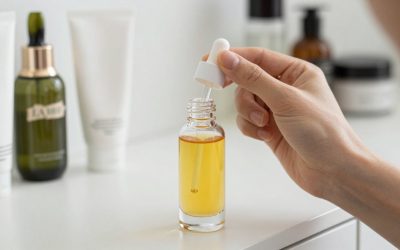
Rosehip oil is a PM active in most Korean routines. Apply after water-based toners and essences have absorbed but before your final moisturizer or cream — the oil creates a semi-occlusive layer that seals in the hydration delivered by earlier steps and slows transepidermal water loss overnight. Three to five drops is sufficient for the full face; over-application increases the risk of milia formation in pore-dense zones (nose, inner cheeks) without additional benefit.
Apply to slightly damp skin — residual water from an essence or mist creates a temporary emulsion with the oil, improving penetration into the upper stratum corneum rather than sitting purely on the surface. Avoid mixing rosehip oil directly into a separate moisturizer in your palm — this disrupts both formulas’ emulsion architecture and reduces efficacy of both.
For pairing with barrier-focused products, see our guide on Korean barrier repair for damaged skin — rosehip oil fits naturally into the lipid-replenishment step of that protocol.
Oxidative Stability: The Critical Quality Factor
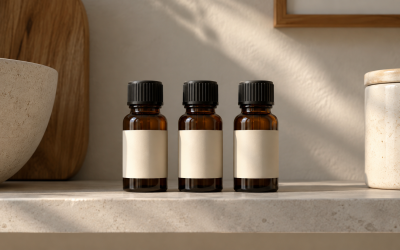
Rosehip oil’s high polyunsaturated fatty acid content makes it one of the more oxidation-prone facial oils on the market. Oxidized lipids generate reactive oxygen species (ROS) that accelerate rather than reverse photoaging — the opposite of the intended effect. Quality markers to verify before purchase: dark amber or opaque packaging (glass preferred over plastic), addition of tocopherol or rosemary extract (Rosmarinus Officinalis Leaf Extract) as antioxidant stabilizers in the INCI, a 6–12 month shelf life after opening noted on packaging, and sourcing from cold-press or CO2 extraction methods (heat-extracted oils have lower starting antioxidant content).
Once opened, store refrigerated and use within 3–6 months. Rancid rosehip oil smells distinctly waxy, sharp, or paintlike — discard immediately if this develops, as applying oxidized oil actively damages the skin barrier.
Rosehip Oil vs. Other Korean Facial Oils: When to Choose Which
Korean facial oil formulation spans a broad range of lipid profiles suited to different skin concerns. Rosehip oil’s linoleic-dominant profile suits acne-prone, combination, and early-aging skin. By contrast, argan oil (Argania Spinosa Kernel Oil) is oleic-dominant (45–48% oleic) and better suited to very dry, non-acne-prone skin. Jojoba (Simmondsia Chinensis Seed Oil) is technically a wax ester rather than a triglyceride oil, making it the most oxidation-stable and suitable for all skin types as a base. Sea buckthorn (Hippophae Rhamnoides Fruit Oil) offers exceptional antioxidant density but requires blending due to its intense orange pigment.
For skin that needs both soothing and anti-aging action, Korean brands often blend rosehip with centella or propolis extracts. Our guide on Korean propolis skincare products covers these hybrid formulas in detail.
Frequently Asked Questions
Is rosehip oil comedogenic? Can it cause breakouts?
Cold-pressed rosehip oil has a comedogenic rating of 1 (on a 0–5 scale), making it low-risk for most acne-prone skin types. Its linoleic acid dominance actually works against comedone formation by normalizing the linoleic-to-oleic ratio in sebum. However, individual skin response varies — some cystic-acne-prone users report sensitivity to any plant oil on the face. If prone to milia or closed comedones, apply rosehip oil only to dry areas and avoid the T-zone initially. Oxidized rosehip oil carries a higher clogging risk, which is why freshness and proper storage matter.
Does rosehip oil contain natural retinol?
Rosehip oil contains trace amounts of trans-retinoic acid (all-trans retinoic acid) and beta-carotene (a retinol precursor), particularly in cold-pressed seed oil from Rosa Rubiginosa. The concentration is several orders of magnitude lower than a cosmetic retinol product — sufficient to contribute mild, cumulative retinoid-like activity over months of use, but not a replacement for a formulated retinol serum. Think of it as a complement that adds a minor retinoid-pathway contribution to a broader anti-aging stack rather than a standalone retinol substitute.
Can I use Korean rosehip oil under SPF in the morning?
Technically yes, but it is not the ideal arrangement. Applying a facial oil immediately before SPF can disrupt the sunscreen’s film formation, reducing its SPF and UVA protection. If you want to use rosehip oil in AM, apply it after toner/essence, allow 5–10 minutes for it to absorb, then apply moisturizer and SPF as the final layers. A better approach for most users: reserve rosehip oil exclusively for PM when it can work overnight without the SPF interference issue.
How long does Korean rosehip oil take to show results on hyperpigmentation?
Rosehip oil addresses hyperpigmentation via multiple minor pathways — carotenoid-mediated antioxidant action, mild retinoid activity, and skin-tone evening through barrier normalization. These mechanisms are slow compared to dedicated brightening actives. Realistic timeline: subtle improvement in overall tone evenness at 6–8 weeks; meaningful reduction of post-inflammatory hyperpigmentation requires 3–6 months. For faster pigmentation results, pair with a niacinamide or alpha-arbutin serum — rosehip oil provides a supportive lipid base while the dedicated brighteners address melanin synthesis directly.
What is the difference between Rosa Canina and Rosa Rubiginosa in Korean facial oils?
Both are common INCI names for rosehip oil but from different species. Rosa Canina (dog rose) and Rosa Rubiginosa (sweet briar) have similar fatty acid profiles with slight variations in linoleic and alpha-linolenic acid ratios depending on growing region and harvest season. Rosa Rubiginosa from Chilean Patagonia is the historically studied source in most clinical rosehip oil research and tends to have marginally higher alpha-linolenic acid content. For practical purposes, a high-quality cold-pressed oil of either species from a reputable Korean cosmetic supplier performs equivalently.
Final Verdict
Korean rosehip oil facial products earn their place in a serious skincare routine when formulated correctly — cold-pressed, antioxidant-stabilized, and positioned within a complementary lipid matrix. The linoleic acid content addresses barrier deficiency and comedone risk simultaneously; the minor retinoid and antioxidant constituents add multi-pathway anti-aging contribution. Choose formulas where Rosa Canina Fruit Oil appears in the first five INCI entries, tocopherol or rosemary extract is included for oxidative stability, and the formula is housed in opaque or amber packaging with a clear PAO (period after opening) marker.
For context on where rosehip oil fits within a full K-beauty protocol, see our Korean skincare beginner guide for step-by-step layering guidance.