Last updated: November 23, 2026
Disclosure: As an Amazon Associate, I earn from qualifying purchases.
Sea buckthorn oil and rosehip oil are the two orange-tinted face oils most often recommended for dry, uneven-looking skin. They are often treated as interchangeable, but they come from different plants, different plant parts, and different fatty acid profiles — and one carries an up-front warning: sea buckthorn fruit (pulp) oil is a deep orange-red that can temporarily tint fair skin and permanently stain pillowcases, collars, and towels. Rosehip seed oil is golden, lighter, and far better behaved on fabric.
A second honesty point is worth making early. Sea buckthorn’s famous omega-7 (palmitoleic acid) content is real, but most omega-7 research involves oral supplements, not oil rubbed on skin. Human evidence for topical use is thin for both oils. What they reliably do is moisturize — an occlusive layer that reduces water loss. Judge them as moisturizers, not treatments.
The Core Difference
The first split is inside sea buckthorn itself. Seed oil and fruit oil are genuinely different products that happen to share a plant. Seed oil is pale yellow, light, and rich in linoleic acid (omega-6) and alpha-linolenic acid (omega-3), with almost no omega-7. Fruit oil is pressed or extracted from the berry pulp: it is deep orange-red from carotenoids, rich in palmitic acid and palmitoleic acid (omega-7), and it is the version that stains.
Rosehip oil, by contrast, always means rosehip seed oil, cold-pressed from the seeds of Rosa canina or Rosa rubiginosa fruit. It is high in linoleic acid with useful alpha-linolenic acid, absorbs faster than most oils (hence the “dry oil” label), and carries only trace vitamin A compounds — far too little to work like a retinoid. Its color is golden, and even deeper seed-plus-fruit CO2 extracts (like the Pai pick below) stain less than sea buckthorn fruit oil.
In short: rosehip is the lighter, everyday, linoleic-rich option; sea buckthorn seed oil is its closest analogue; and sea buckthorn fruit oil is the rich, pigment-loaded outlier you choose deliberately, stains and all.
How to Choose
Decide seed vs fruit before you decide brand. If a label does not say which plant part the oil came from, check the INCI list: Hippophae rhamnoides seed oil and Hippophae rhamnoides fruit oil are listed differently. A product that just says “sea buckthorn oil” is often a blend of both — or mostly something else.
Read the INCI, not the front label. Some “sea buckthorn” face oils are sunflower or jojoba oil with sea buckthorn CO2 extract near the end of the ingredient list. That is a pleasant product, but not the concentrated oil the marketing describes — and it will not behave (or stain) like one. Rosehip blends bulked out with carrier oils have the same issue.
Extraction method changes strength. Supercritical CO2 extraction pulls a concentrated, pigment-rich oil, common for sea buckthorn fruit oil and premium rosehip. Cold-pressing is the seed-oil standard. Infused or macerated products — plant material soaked in a carrier oil — are the weakest form.
Match the oil to your skin and your laundry tolerance. Dry, rough skin wanting a rich final layer is the natural home of sea buckthorn fruit oil, used at night. Combination or congestion-prone skin gets on better with rosehip or sea buckthorn seed oil, whose linoleic-heavy profiles feel lighter. If you own white pillowcases you care about, that alone may settle the question.
The Products
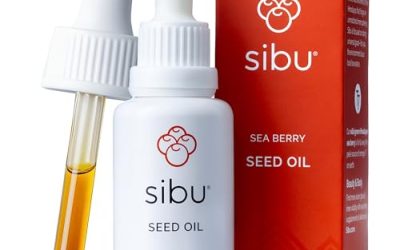
Sibu Premium Himalayan Sea Buckthorn Seed Oil

Specs
- Size: 30 ml (1 fl oz)
- Ingredient: 100% sea buckthorn seed oil (Hippophae rhamnoides)
- Certification: USDA Organic
- Source: Himalayan-grown berries
- Packaging: glass bottle (1.5 × 1.5 × 3.9 in)
This is the pick if you want sea buckthorn’s seed-oil profile without the staining drama. It is pale, light, and built on linoleic and alpha-linolenic acids rather than omega-7 — a profile closer to rosehip than to its own fruit oil. Sibu directs a small pool massaged over the face before bed. If your interest is really omega-7, this bottle does not deliver it; if you want a gentle, organic, single-ingredient seed oil, it is a clean example.
US Organic Sea Buckthorn Berry (Fruit) Oil

Specs
- Size: 1 oz (30 ml)
- Ingredient: 100% sea buckthorn fruit (pulp) oil, undiluted
- Extraction: supercritical CO2, virgin and unrefined
- Certification: USDA Certified Organic
- Packaging: amber glass bottle
This is the full-strength fruit oil, and it shows why the staining warning exists: CO2 extraction concentrates the pulp’s carotenoids along with its palmitoleic acid, producing a vivid orange-red oil, and US Organic confirms the bottle holds one ingredient and nothing else. Use it as experienced users do — a drop or two stirred into a plain moisturizer at night, not a full dropper applied neat before a white shirt. Expect a temporary warm tint on fair skin.
TODICAMP Sea Buckthorn Berry Oil

Specs
- Size: 2 fl oz
- Ingredient: 100% sea buckthorn berry oil, undiluted
- Extraction: cold-pressed
- Fatty acids: omega 3, 6, 7, and 9
- Certifications: EU Organic, USDA Organic; alcohol free
- UPC: 195893451203
TODICAMP offers the cold-pressed route to fruit oil in a larger bottle. The brand describes the color as naturally yellow-orange — typically less pigment-concentrated than a CO2 extract, but still very capable of marking fabric, so the same night-time, diluted-in-moisturizer advice applies. The bigger format also suits dry body areas like elbows and cuticles, where staining matters less. Treat the omega numbers on the label as a description of composition, not evidence of results.
The Ordinary 100% Organic Cold-Pressed Rose Hip Seed Oil

Specs
- Size: 30 ml (1 fl oz)
- Ingredient: 100% Rosa canina (rose hip) seed oil
- Extraction: cold-pressed, organic, unrefined
- Packaging: amber glass dropper bottle (1.31 × 1.31 × 4.5 in)
- Formula notes: fragrance free, vegan, cruelty free
This is the benchmark rosehip oil: one ingredient, cold-pressed, in light-protective glass, directed for once-daily use, ideally in the evening after water-based products. Its linoleic-rich profile is why rosehip is known as the face oil even oilier skin types can tolerate, and its golden color washes out of fabric more easily than sea buckthorn fruit oil. Honestly framed, it supports the look and feel of hydrated, more even-toned skin; it is not a retinoid, a spot treatment, or a scar cure.
Pai Rosehip BioRegenerate Universal Facial Oil

Specs
- Size: 10 ml (0.34 fl oz), travel format
- Ingredients: rosehip seed and fruit CO2 extracts (Rosa canina)
- Certification: certified organic, vegan
- Skin types: all, including sensitive
- Color: deep orange-red from the fruit extract’s carotenoids
Pai is the bridge product here: rosehip seed oil plus rosehip fruit CO2 extract borrows the sea buckthorn fruit-oil playbook — concentrated carotenoids, richer color — in a rosehip base. The result is deeper orange than plain rosehip seed oil, so a mild staining caution applies, though it is gentler than true sea buckthorn pulp oil. The 10 ml size is useful for testing whether the richer, fruit-inclusive style suits your skin before committing to more.
Usage and Buying Notes
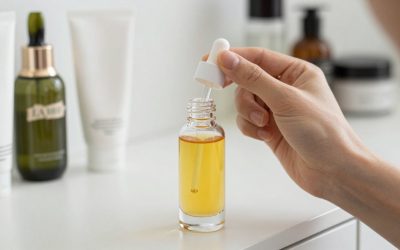
Use both oils as the last step of an evening routine, over damp skin or on top of a moisturizer, so the oil seals in water rather than sitting on dry skin. Two or three drops of rosehip is normal; for fruit oil, start with one drop mixed into moisturizer and increase only if skin and pillowcase tolerate it. Fair skin can hold a temporary orange tint for hours — another reason fruit oil belongs at night.
Neither oil is a treatment for broken skin. Despite sea buckthorn’s long traditional use around wounds and burns, a cosmetic oil is not medical care: burns, open wounds, and infected skin need a clinician, not a dropper bottle. Patch-test any new oil on the inner forearm first.
Buy small bottles and store them in a dark cupboard: linoleic-rich oils oxidize, and a rancid smell — like old crayons or putty — means the oil is done. Finally, check the ingredient list matches the product’s story: one ingredient for a pure oil, and blends should name their carrier oils.
FAQ
Which oil is better for very dry, flaky skin?
Sea buckthorn fruit oil is the richer, more occlusive option, so it feels more substantial on very dry skin — used at night, diluted in a moisturizer. Rosehip suits you better if you want something lighter you can also use in the morning. Neither replaces a moisturizer; both work best layered over one.
Will sea buckthorn oil stain my skin and pillowcase?
The fruit (pulp) oil can, yes. Its carotenoids give it a deep orange-red color that can tint fair skin temporarily and permanently mark light fabrics. Seed oil is pale and does not stain this way. Reduce the risk: apply it only at night, a drop or two mixed into a cream, let it absorb fully, and use a dark pillowcase.
Can rosehip oil replace a retinoid?
No. Rosehip seed oil contains only trace vitamin A compounds, in amounts far below anything with retinoid-like activity, and it does not deliver the measured effects of retinol or retinal products. It is a moisturizing oil that can sit alongside a retinoid, but not a substitute for one.
Is omega-7 proven to improve skin when applied topically?
Not convincingly. The omega-7 story rests mainly on oral supplement research and on palmitoleic acid occurring naturally in skin surface lipids. That makes sea buckthorn fruit oil an interesting moisturizer, but claims that omega-7 rebuilds or transforms skin go beyond current human evidence.
Can I use both oils together?
Yes — a common approach is rosehip as the everyday oil, with a drop of sea buckthorn fruit oil added on nights when skin feels especially dry. They do not conflict, but using both does not multiply the benefit — you mostly get the fruit oil’s texture and staining risk in a lighter base.
Conclusion
Choose rosehip if you want a light, linoleic-rich, everyday face oil that behaves well on skin and fabric alike — The Ordinary’s bottle is the benchmark, and Pai’s seed-plus-fruit extract the richer variation. Choose sea buckthorn seed oil for a similar fatty acid profile from a different plant, and fruit oil only with your eyes open: it is the most concentrated oil here, and its deep orange pigment is part of the deal. Whichever you pick, buy it as a moisturizer, use it at night, and let the INCI list — not the omega claims — decide.