Last updated: September 27, 2026
Snail mucin, the filtered secretion from snails, has cycled through beauty trends for years and is once again dominating K-beauty recommendations. Fans credit it with a plumped, hydrated, “bouncy” finish, and social media has driven a new wave of interest. This guide explains what snail mucin actually is, what it can and cannot do, and how to use it.
What snail mucin is
Snail secretion filtrate is a blend of glycoproteins, hyaluronic acid, glycolic acid and antioxidants that snails naturally produce. In skincare it is harvested, filtered and stabilized into essences and creams. The appeal is a slippery, cushiony texture that hydrates and helps skin feel smooth.
Why it went viral again
Affordable formulas with very high concentrations, such as essences listing 92 to 97 percent snail secretion filtrate, made the ingredient accessible. Combined with the broader glass-skin trend, snail mucin re-emerged as a low-cost route to a dewy, plumped look.
What the evidence supports
| Claim | Support level | Realistic result |
|---|---|---|
| Hydration | Strong | Plumper, smoother feel |
| Barrier comfort | Moderate | Less tightness, soothed skin |
| Fine line “repair” | Limited | Temporary plumping look |
| Acne scar fading | Weak | Not a treatment |
How to use it
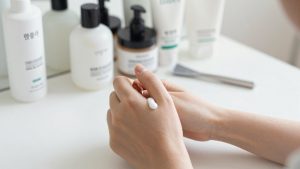
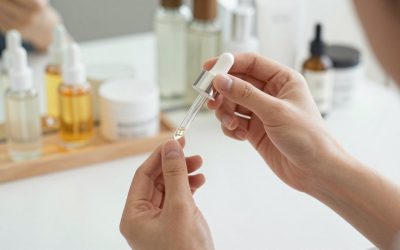
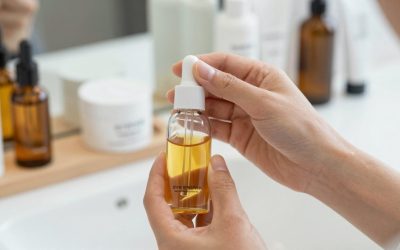
Apply snail essence to clean, slightly damp skin before heavier serums and moisturizer. Its slightly tacky finish absorbs better when layered under a cream. It works morning and night and pairs well with hydrating and barrier ingredients. For strong actives like retinol, apply snail essence as a soothing buffer.
Who should try it
Dehydrated, dull or slightly sensitive skin gets the most from snail mucin. Very oily skin can still use lighter essences but may skip the richer creams. If you have a shellfish or mollusk sensitivity, patch test carefully, and vegans will want to avoid it entirely since it is animal-derived.
Frequently asked questions
Does snail mucin actually repair skin?
It is an excellent hydrator and helps skin feel soothed and smooth, but “repair” claims are overstated. It supports comfort and glow rather than rebuilding collagen or erasing scars, which need dedicated actives and time.
Is snail mucin cruelty-free?
It is animal-derived, so it is not vegan. Ethical harvesting varies by brand, and some companies publish their collection methods. If cruelty-free sourcing matters to you, check the brand’s stated practices before buying.
How to choose a snail mucin product
Concentration is the headline number, with popular essences listing 92 to 97 percent snail secretion filtrate, but the supporting formula matters too. Look for added humectants and soothing agents, and keep an eye out for heavy fragrance if you are sensitive. Essences suit lighter hydration needs, while snail creams add richer occlusion for drier skin, so match the format to how dry your skin runs.
Texture preference is personal: the signature slippery, slightly tacky feel delights some users and bothers others. Sealing the essence with a moisturizer usually resolves the tackiness. If you are acne-prone, introduce it slowly and monitor for congestion, since reactions vary from person to person.
Realistic place in a routine
Snail mucin shines as a hydrating and soothing middle step, layered after watery toners and before creams. It pairs especially well as a buffer alongside potentially irritating actives like retinol, helping skin stay comfortable. It is not an exfoliant or a pigment corrector, so keep those dedicated treatments in your routine and let snail mucin handle comfort and glow.
Can I use snail mucin every day?
Yes, it is gentle enough for twice-daily use for most people. Because its main job is hydration and soothing, there is little risk of overuse, unlike exfoliating acids that need frequency limits.
The sustainability and ethics angle
As snail mucin surged again, so did questions about how it is harvested. Collection methods vary between brands, from stressful to more welfare-conscious approaches, and some companies now publish their practices. If ethical sourcing matters to you, look for that transparency before buying, and remember the ingredient is inherently animal-derived, so it will never be vegan. Shoppers who prioritize cruelty-free routines may prefer plant-based hydrators that deliver similar surface plumping.
What are good alternatives to snail mucin?
For similar bouncy hydration without an animal ingredient, look to formulas rich in hyaluronic acid, glycerin, beta-glucan or polyglutamic acid. They hydrate and plump the surface, though the exact slippery texture of snail essence is unique.
Bottom line
Snail mucin earns its comeback as a budget-friendly, deeply hydrating essence that delivers the bouncy, glazed finish people love. Treat it as a comfort-and-glow layer, not a corrective treatment, and it becomes a reliable staple.