Last updated: September 27, 2026
Menopause brings a distinct set of morning skin problems. Hot flashes can make sunscreen slide off by midday. Skin that used to be oily may suddenly feel parched. Some people get adult acne for the first time in decades, while others notice more redness, sensitivity or new facial hair. A morning routine for menopausal skin has to cope with heat and sweat as well as dryness, while protecting a barrier that is becoming more fragile. This guide focuses on those practical challenges rather than on generic anti-aging advice.
How menopause shows up in morning skin
Falling estrogen levels are associated with reduced collagen, lower skin hydration and slower barrier recovery. In daily life, that looks like tightness after washing, makeup settling into lines, more sensitivity to products, and sometimes flushing. Hot flashes and night sweats can leave skin feeling damp and then dry, and they make a heavy morning routine uncomfortable.
The menopausal AM routine
Step 1: Cool, gentle cleanse
Use a cream or milk cleanser with cool or lukewarm water. If night sweats left your skin feeling sticky, a quick cleanse is fine; otherwise a rinse is enough.
Step 2: Antioxidant serum
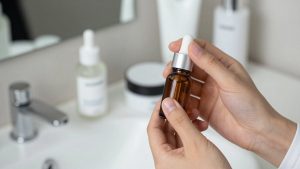
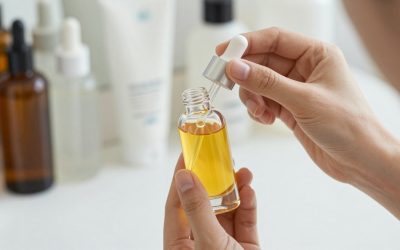
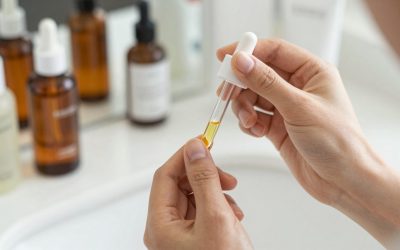
Vitamin C or a blend with vitamin E and ferulic acid supports sunscreen and helps with dullness and uneven tone. If your skin has become more reactive, choose a gentler vitamin C derivative.
Step 3: Barrier-focused moisturizer
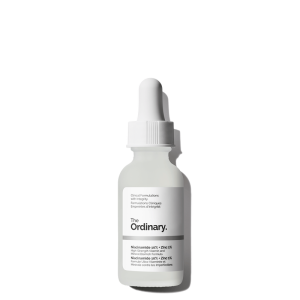
Choose a moisturizer with ceramides, niacinamide, glycerin or squalane. For people who flush and sweat, a lightweight cream or gel-cream feels more comfortable than a heavy balm in the morning. Keep richer textures for night.
Step 4: Sweat-tolerant sunscreen
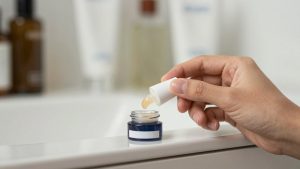
Look for broad-spectrum SPF 30+ labeled water- or sweat-resistant, or a fluid that sets to a light finish. Mineral formulas can feel cooler for some people. Carry an SPF stick or powder for touch-ups after a hot flash.
Step 5: Cooling tools (optional)
A facial mist with glycerin or a chilled jade roller kept in the fridge can make hot flashes more bearable. They are comfort tools, not treatments.
Common menopausal concerns and morning fixes
| Concern | Morning approach | Avoid |
|---|---|---|
| Sudden dryness | Cream cleanser, ceramide moisturizer | Foaming cleansers, alcohol toners |
| Hot flashes | Light layers, sweat-resistant SPF, cool mist | Heavy occlusives by day |
| Adult acne | Niacinamide, non-comedogenic SPF | Harsh scrubs |
| Redness and sensitivity | Fragrance-free, short ingredient lists | Menthol, strong fragrance |
| Makeup settling in lines | Hydrating primer or tinted SPF instead of foundation | Heavy matte powders |
| Dark spots | Vitamin C, daily SPF | Skipping sunscreen on cloudy days |
Perimenopause versus post-menopause
Skin in perimenopause can be unpredictable: oily and breaking out one month, dry and sensitive the next, as hormone levels fluctuate. A flexible routine helps here, with a lighter moisturizer and niacinamide on oilier weeks and a richer cream on drier ones. After menopause, levels are lower but more stable, and dryness tends to be the dominant, consistent concern. That is usually the point to commit to a richer moisturizer every morning and review whether your sunscreen is hydrating enough on its own.
Neck, chest and hands
These areas often show menopausal changes early, with crepey texture and spots. Extend vitamin C, moisturizer and sunscreen to the neck and chest every morning. Keep a hand cream with SPF near where you leave the house.
How to choose products
- Texture first. If a product feels hot or heavy, you will avoid it on hot-flash days.
- Fragrance-free formulas reduce reactions in skin that has become more sensitive.
- Tinted products can replace foundation and reduce layers.
- Check the current label for active ingredients; “menopause skincare” is a marketing category, not a formula standard.
Who should talk to a doctor
If you notice sudden hair growth, severe acne, significant flushing, or skin changes alongside other symptoms, discuss them with your doctor; hormone-related changes can sometimes be medically relevant. People using hormone therapy or other medications should mention their skincare to their clinician, particularly before starting retinoids or strong acids. Any new or changing mole or spot should be checked.
FAQ
Why has my skin become so sensitive since menopause?
Barrier changes can make skin less resilient and quicker to react. Switching to fragrance-free, gentle products and adding barrier-focused moisturizers usually helps.
Which sunscreen texture works best with hot flashes?
Lightweight fluids and gels labeled sweat-resistant tend to stay put better than rich creams. An SPF stick or powder makes quick touch-ups easier.
Bottom line
A menopausal AM routine should be gentle, light and heat-aware: a cool cream cleanse, an antioxidant serum, a barrier moisturizer that does not feel heavy, and a sweat-tolerant sunscreen with touch-ups. Keep richer care for night and involve your doctor for symptoms beyond skin.