Last updated: October 9, 2026
- Decide These 3 Things First
- Size: Compare Uses, Not Just Ounces
- Material: Read the Formula Beyond the pH Claim
- Construction: Packaging Affects Hygiene and Accuracy
- Comfort and Performance: The Skin Feel Is the Test
- Price Tiers: Calculate Cost per Ounce
- Warranty: Check Freshness Instead
- Delivery and Assembly: Protect the Product in Transit
- Spec Checklist
- Red Flags
- FAQ
Choosing a cleanser by pH sounds simple: find a number close to your skin’s natural acidity and buy it. In practice, shoppers often make several mistakes. They assume “low pH” automatically means gentle, ignore whether the product is intended for the face or intimate area, or treat fragrance-free and pH-balanced as interchangeable claims. Others compare prices without checking bottle size, use a feminine wash internally, or expect a cleanser to solve odor, acne, dryness, and irritation at once.
The better approach is to match pH with the body area, your skin’s condition, the cleanser’s entire formula, and the way you intend to use it. A pH number is useful, but it is only one buying signal. The guide below explains how to choose cleanser pH level in 2026 without overpaying for vague marketing or choosing a product that is too harsh for daily use.
As an Amazon Associate we earn from qualifying purchases at no extra cost to you.


Decide These 3 Things First
- Where will you use it? Facial skin, body skin, scalp, and external vulvar skin have different needs. A facial cleanser is not automatically appropriate for intimate washing, and an intimate wash should not be assumed suitable for the eyes or face.
- What is your current skin condition? Dry, tight, burning, flaky, acne-prone, oily, or easily irritated skin usually benefits from a simpler, mild cleanser. Healthy, resilient skin may tolerate a broader formula range.
- How often will you use it? A product used twice daily should be gentler than one used occasionally after exercise. Frequency, water temperature, rubbing, and how long the cleanser remains on skin can matter as much as the stated pH.
For many facial cleansers, a mildly acidic range around pH 4.5 to 6.0 is a sensible starting point because it is closer to the skin’s acid mantle than a strongly alkaline soap. This is not a universal rule. A product’s surfactants, preservatives, fragrance, exfoliating acids, and rinsing behavior also affect comfort.
Size: Compare Uses, Not Just Ounces
Bottle size is one of the easiest specifications to overlook. A 5-ounce facial cleanser may last four to eight weeks if you use a pea-sized amount once or twice daily. A 10- to 15-ounce body or feminine wash may last two to four months, depending on whether you use one or two pumps per wash.
As a general buying guide:
- Travel or trial size: 1 to 3 fl oz, useful for testing tolerance before committing.
- Standard facial size: 4 to 6 fl oz, often the best balance for daily use.
- Large body or intimate-wash size: 10 to 16 fl oz, usually lower in cost per ounce.
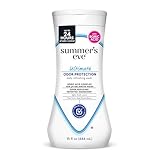
For example, the 5.07-fl-oz ROUND LAB 1025 Dokdo Cleanser is a typical facial-cleanser format. Love Wellness offers a 10-fl-oz fragrance-free feminine wash, while Summer’s Eve lists a 15-fl-oz bottle. Do not compare their shelf prices without dividing by ounces: a under-$20 facial cleanser and a $4.99 larger wash serve different categories and usage patterns.
Material: Read the Formula Beyond the pH Claim
“Material” is not the right word for a liquid cleanser, but the same buying principle applies to its formula: identify what is actually in the bottle. Look for the surfactant system, humectants, emollients, fragrance, and active ingredients.
Mild surfactants remove oil and debris without the particularly stripped feeling associated with traditional high-alkaline soap. Humectants such as glycerin can help reduce the dry feel after rinsing. Ingredients such as ceramides, panthenol, beta-glucan, and certain amino acids may support a more comfortable formula, but their presence does not guarantee that the cleanser will suit you.
Fragrance is a common reason a cleanser feels irritating, especially on sensitive or intimate skin. If you are prone to burning, itching, redness, or eczema, start with fragrance-free and essential-oil-free options. Boric acid appears in some intimate washes, including the listed Summer’s Eve product. It may be included for odor-related positioning, but its presence does not make the product appropriate for internal use. External washing only is the safer default unless a medical professional gives different instructions.
Also distinguish “pH balanced” from a disclosed pH number. “Balanced” is a marketing term unless the brand explains the target range or testing method. A listed pH is more useful, but even that number may represent the formula at manufacture rather than your skin’s experience after dilution and rinsing.
Construction: Packaging Affects Hygiene and Accuracy
For cleanser, construction means the bottle, pump, cap, and dispensing system. A pump is usually more convenient and reduces the amount of product handled with wet hands. A flip-top bottle is compact and travel-friendly but can leak if the cap loosens. Foaming pumps create a lighter lather from liquid, which may help reduce overuse.
Choose a package that matches your routine:
- 4- to 6-ounce pump: convenient for a bathroom counter and twice-daily facial use.
- 10- to 16-ounce pump: practical for a shared bathroom or frequent body use.
- Flip-top or screw-cap bottle: better for a gym bag if the closure seals securely.
Check whether the label says how much to dispense. Using a full pump when a half pump is sufficient can double your cost per use. Avoid transferring cleanser into an unmarked container, since you may lose the ingredient list, expiration information, and batch details.
Comfort and Performance: The Skin Feel Is the Test
A cleanser is performing well when it removes sunscreen, sweat, oil, or daily residue without leaving persistent tightness, stinging, or a squeaky film. More foam does not necessarily mean better cleaning. A low-pH gel may produce less lather than a traditional soap and still clean effectively.
For dry or reactive facial skin, begin with a mild, non-scrubbing cleanser around pH 4.5 to 6.0 and use lukewarm water for 20 to 30 seconds. For oily or acne-prone skin, a low-pH cleanser can still be appropriate, but you may prefer an active ingredient such as salicylic acid. Introduce active cleansers gradually—once every other day at first—because the active, not just the pH, can cause dryness.
Medicube PDRN Jelly to Foam Cleanser is positioned as a gentle, low-pH hydrating cleanser, while the ROUND LAB product is another facial option in the roughly $12 to $17 range. These descriptions may help narrow the category, but your response after several uses is more important than a “hydrating” or “jelly” label.
For external vulvar care, plain lukewarm water is sufficient for many people. If you choose a wash, select a mild, fragrance-free formula, use it externally, rinse thoroughly, and stop if irritation develops. Never use a cleanser inside the vagina to change pH or treat odor; persistent odor, discharge, pain, or itching warrants medical advice.
Price Tiers: Calculate Cost per Ounce
Cleanser prices vary widely by category and size. A practical framework is:
- Budget: $4 to $10: usually 10 to 16 fl oz, with basic packaging and fewer specialty claims.
- Mid-range: $11 to $22: commonly 4 to 8 fl oz for facial products or 8 to 12 fl oz for specialty washes.
- Premium: $23 to $40 or more: often includes prestige packaging, specialty ingredients, or dermatologist-oriented positioning.
Calculate price per ounce before deciding. A under-$20, 5.07-fl-oz cleanser costs about $2.48 per ounce. A under-$30, 10-fl-oz wash costs about $2.50 per ounce. Those products are nearly identical by unit price despite looking very different on the shelf. Price does not prove gentleness, and a premium cleanser should not be considered better without a formula or tolerance advantage.
Warranty: Check Freshness Instead
Liquid cleansers rarely come with a meaningful warranty. The relevant protections are a sealed package, a readable lot code, a use-after-opening symbol, and a retailer return policy. Look for a period such as 6M or 12M after opening, where the number and “M” indicate suggested months of use.
Buy a smaller bottle if you are testing a new formula or use cleanser infrequently. Store it away from direct sun and extreme heat, and do not keep the cap or pump submerged in standing water. Changes in smell, color, texture, or separation are reasons to discontinue use even if the printed date has not passed.
Delivery and Assembly: Protect the Product in Transit
There is no assembly for cleanser, but delivery still matters. A leaking bottle can contaminate other purchases and leave you with less than the advertised volume. For online orders, check that the cap is taped or the pump is locked, and inspect the seal when the package arrives.
If you are ordering several bottles, avoid buying more than a 6- to 12-month supply unless the expiration and storage guidance are clear. Products stored in a hot delivery truck or a humid bathroom may age faster. For travel, place the bottle in a leakproof pouch rather than relying on a loose cap.
Spec Checklist
| Spec | Budget | Mid | Premium |
|---|---|---|---|
| Typical price | $4–$10 | $11–$22 | $23–$40+ |
| Typical size | 10–16 fl oz | 4–12 fl oz | 4–8 fl oz |
| Useful pH target | About 5–7, if disclosed | About 4.5–6.0 for many facial cleansers | About 4.5–6.0, with formula details |
| Best package | Flip-top or basic pump | Locking pump or quality cap | Airless or controlled-dispensing pump |
| Preferred formula cues | Simple, mild, fragrance-free when possible | Gentle surfactants and humectants | Well-documented ingredients and sensitive-skin focus |
Red Flags
- The product claims to “reset” or permanently alter your natural pH.
- No intended body area is stated on the label.
- “pH balanced” appears without a number, range, or meaningful usage guidance.
- Strong fragrance is paired with promises for sensitive or intimate skin.
- The cleanser promises to cure odor, infection, acne, or irritation.
- The bottle lacks a seal, lot code, ingredient list, or clear expiration guidance.
- You feel burning, itching, swelling, or worsening dryness after use.
FAQ
What pH is best for a facial cleanser?
Many people do well with a mildly acidic cleanser around pH 4.5 to 6.0, but there is no single ideal number for everyone. Choose a fragrance-free, non-stripping formula and judge it by comfort after rinsing and throughout the day.
Is a low-pH cleanser always gentler?
No. pH is only one part of the formula. Fragrance, essential oils, exfoliating acids, harsh surfactants, preservatives, scrubbing particles, and frequent washing can all cause irritation even when the pH is low.
Can I use feminine wash inside the vagina?
No. Feminine washes are generally intended for external vulvar skin, not internal use. The vagina is self-cleaning. Do not use cleanser to treat persistent odor, discharge, pain, or itching; consult a healthcare professional instead.
How often should I replace cleanser?
Follow the printed expiration date and the open-container guidance, commonly 6 or 12 months after opening. Replace it sooner if the smell, color, texture, or separation changes, or if the bottle has been stored in excessive heat.
Ready to decide? Our #1 pick for 2026 is the Typical price.
Live price & availability on Amazon.