Last updated: November 1, 2026
- What makes a gentle cleanser for rosacea?
- What is the best cleanser for perioral dermatitis?
- AAD perioral dermatitis skincare: gentle cleanser, moisturizer, sunscreen
- Gentle cleanser categories compared
- Widely used gentle cleansers to look at
- Cruelty free cleansers for perioral dermatitis
- Gentle cleanser for perioral dermatitis after a workout
- What to avoid in cleansers if you have rosacea or perioral dermatitis
- How to introduce a new cleanser without a flare
- When to see a dermatologist
- Frequently Asked Questions
A gentle cleanser for rosacea or perioral dermatitis is usually a fragrance-free, soap-free, low-foaming formula used with lukewarm water, once or twice a day at most. Widely used examples include Vanicream, CeraVe, Cetaphil, and La Roche-Posay Toleriane, though what works varies from person to person. Both conditions need a proper diagnosis, so this guide is a starting point for choosing products, not a treatment plan.
Important: rosacea and perioral dermatitis can look similar to acne, eczema, or fungal rashes, and treatments differ. A dermatologist can tell them apart and prescribe what is appropriate. Nothing below is medical advice, and no cleanser cures either condition.
What makes a gentle cleanser for rosacea?
Rosacea skin tends to flush and sting easily, so the goal is to remove sweat, oil, and sunscreen without stripping the skin barrier. The National Rosacea Society and dermatology groups generally advise using a mild, non-soap cleanser, applying it with clean fingertips, rinsing with lukewarm (not hot) water, and patting dry. Rubbing with washcloths, scrubs, or cleansing brushes is typically discouraged.
Features that usually help:
- Fragrance-free. Added scent, including essential oils, is a common irritant.
- Soap-free / syndet base. Gentle synthetic surfactants are less likely to leave skin tight.
- Low foam or lotion/cream texture. Heavy lather often means stronger detergents.
- Short ingredient list. Fewer ingredients means fewer chances of a reaction.
- pH near skin’s natural level. Our guide to choosing a cleanser by pH explains why this matters.
What is the best cleanser for perioral dermatitis?
There is no single best cleanser for perioral dermatitis, and no product has been shown to clear it. The condition shows up as small red bumps around the mouth, nose, or sometimes eyes, and it is often described as easily aggravated by too many products. The pattern most dermatology sources point toward is minimalism: a mild cleanser, a simple moisturizer, and a sunscreen that does not irritate.
The American Academy of Dermatology (AAD) general guidance for perioral dermatitis centers on stopping what may be triggering it and keeping skincare gentle. Common triggers dermatologists discuss include topical steroid creams used on the face, heavy occlusive creams, and in some cases fluoridated toothpaste or other irritants. Whether any of those apply to you is a question for your dermatologist, and you should not stop a prescribed steroid on your own.
AAD perioral dermatitis skincare: gentle cleanser, moisturizer, sunscreen
A simplified routine consistent with general dermatology advice looks like this. Your provider may modify it.
- Cleanser: a mild, fragrance-free cleanser, used gently, lukewarm water.
- Moisturizer: a light, fragrance-free option. Very rich or occlusive products can be a problem for some people with perioral dermatitis, so lighter textures are often chosen.
- Sunscreen (morning): many people with sensitive, reactive skin do better with mineral filters. See our guide to mineral sunscreens for sensitive skin.
- Pause actives: exfoliating acids, retinoids, and strong botanicals are usually put on hold until your dermatologist says otherwise.
Keep it boring on purpose. Introducing several new products at once makes it hard to tell what helps and what irritates.
Gentle cleanser categories compared
| Cleanser type | Texture | Typically suits | Watch for |
|---|---|---|---|
| Cream / lotion cleanser | Thick, low foam | Dry or easily flushed skin | Can feel filmy; rinse well |
| Gel-cream cleanser | Light, mild lather | Normal to combination skin | Check for fragrance and strong surfactants |
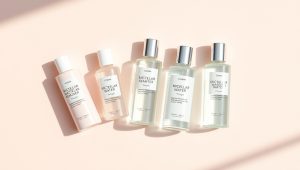
| Micellar water | Watery, no-rinse in some uses | Quick makeup or sweat removal | Some people need to rinse to avoid residue |
| Oil / balm cleanser | Oily | Heavy sunscreen or makeup | Rich oils can be a problem with perioral dermatitis; ask your dermatologist |
| Bar soap | Solid | Body use | Alkaline; generally avoided on rosacea-prone faces |
Widely used gentle cleansers to look at
These are commonly mentioned by dermatologists and in sensitive-skin communities. They are examples, not endorsements of an outcome, and formulas change, so read the current ingredient list.
- Vanicream Gentle Facial Cleanser. Marketed as free of dyes, fragrance, and several other common irritants. A frequent starting point for reactive skin.
- CeraVe Hydrating Facial Cleanser. A lotion-style, non-foaming formula with ceramides. Compare it with Cetaphil in our CeraVe vs Cetaphil breakdown.
- Cetaphil Gentle Skin Cleanser. A long-established mild cleanser. Some people with sensitive skin prefer the fragrance-free versions.
- La Roche-Posay Toleriane Hydrating Gentle Cleanser. A creamy, fragrance-free option positioned for sensitive skin.
Even “gentle” products can irritate individual skin, and some people with perioral dermatitis react to ingredients that are fine for others. Patch test on a small area first and introduce one product at a time. If you want to explore one of these, Vanicream Gentle Facial Cleanser is easy to find and compare, and you can look at the La Roche-Posay Toleriane cleanser as another option.
For more picks, see our lists of the best facial cleansers dermatologists mention and the best Korean cleansers for sensitive skin.
Cruelty free cleansers for perioral dermatitis
Cruelty-free status is about the brand’s animal-testing policy, not about how gentle the formula is, and it is easy to get wrong. Policies and parent-company relationships change, and some brands that sell in markets requiring animal testing have lost certification in the past. We cannot verify the current status of every product.
The practical approach:
- Check independent certification lists such as Leaping Bunny or PETA’s database for the current status of any brand.
- Shortlist certified brands that sell fragrance-free, simple cleansers.
- Check the ingredient list against your dermatologist’s advice, since certification says nothing about irritation risk.
Do not assume that a gentle or popular brand is also cruelty-free. Verify it.
Gentle cleanser for perioral dermatitis after a workout
Sweat can sting and irritate rosacea and perioral dermatitis, so the instinct to wash right away makes sense, but scrubbing makes things worse. A gentle approach:
- Rinse your face with lukewarm water soon after exercising to remove sweat. A full cleanse is not always needed if you only sweated.
- Use your regular mild cleanser if you wore sunscreen or have oil buildup, and keep the contact short.
- Pat dry with a clean towel. Reusing a damp gym towel can reintroduce bacteria and irritants.
- Avoid cleansing more than twice a day total. Over-washing can leave skin more reactive.
- Wash hands before touching your face, and avoid wiping around the mouth with sweaty sleeves.
Heat and flushing are also rosacea triggers for some people, so cooling down gradually may help. This is general guidance, not individualized advice.
What to avoid in cleansers if you have rosacea or perioral dermatitis
- Fragrance and essential oils
- Physical scrubs and exfoliating brushes
- High-foaming sulfate-heavy formulas that leave skin tight
- Alcohol-heavy toners and astringents
- Menthol, camphor, and other tingling ingredients
- Very hot water
How to introduce a new cleanser without a flare
Switching products is itself a common trigger, so go slowly. A sensible sequence:
- Read the full ingredient list. Look for fragrance, essential oils, menthol, and heavy plant extracts, even on products marketed as sensitive-skin friendly.
- Patch test. Apply a small amount to the jawline or behind the ear once a day for several days before using it on your whole face.
- Change one thing at a time. If you swap cleanser, moisturizer, and sunscreen in the same week, you will not know which one caused a reaction.
- Give it time. Skin barriers recover slowly. Judging a cleanser after two days is rarely fair, in either direction.
- Keep the contact short. Massage for around 20 to 30 seconds, rinse thoroughly with lukewarm water, and avoid leaving residue near the mouth and nose.
If a product causes stinging, spreading redness, or new bumps, stop using it and mention it to your dermatologist. Keeping a short note of what you used and when makes appointments more useful.
Morning versus evening
Many people with reactive skin do well rinsing with water alone in the morning and using a cleanser only at night to remove sunscreen and the day’s buildup. That is a personal choice rather than a rule, and your provider may suggest something different, especially if you use prescription topicals.
When to see a dermatologist
See a dermatologist if you have persistent redness, bumps around the mouth, burning, or a rash that is spreading or not improving after a couple of weeks of simplified skincare. Seek care sooner if you have eye irritation, since rosacea can affect the eyes, or if you have been using a steroid cream on your face. Prescription treatments exist for both conditions and should be directed by a clinician. This article is general information and not a substitute for professional diagnosis.
Frequently Asked Questions
What is a good gentle cleanser for rosacea?
Look for a fragrance-free, soap-free, low-foaming cleanser and use it with lukewarm water. Vanicream, CeraVe, Cetaphil, and La Roche-Posay Toleriane are widely used examples. Patch test first, since reactions vary.
What is the best cleanser for perioral dermatitis?
No cleanser is proven to treat perioral dermatitis. Dermatology advice generally favors a simple, mild, fragrance-free cleanser within a minimal routine, paired with a light moisturizer and sunscreen. Your dermatologist can tailor this.
Are there cruelty-free cleansers for perioral dermatitis?
Yes, some fragrance-free cleansers come from cruelty-free certified brands, but status changes. Check Leaping Bunny or PETA lists for current certification, and check ingredients separately, because certification does not indicate gentleness.
How should I cleanse with perioral dermatitis after a workout?
Rinse sweat off with lukewarm water, use a mild cleanser only if needed, pat dry with a clean towel, and avoid scrubbing. Keep total cleansing to twice a day or fewer.
What does the AAD recommend for skincare with perioral dermatitis?
The AAD’s general guidance points to gentle skincare: a mild cleanser, a simple moisturizer, and sun protection, while avoiding likely triggers such as facial steroid creams unless prescribed. Follow your own dermatologist’s instructions, and ask before stopping any prescribed treatment.
This article is for general information only and is not medical advice. If you suspect rosacea or perioral dermatitis, see a board-certified dermatologist for diagnosis and treatment.