Last updated: October 4, 2026
Using the right amount of cleanser can make a noticeable difference. Too little may not remove sunscreen, makeup, oil, or daily grime evenly. Too much can leave skin feeling tight, waste product, and make rinsing more difficult. The ideal amount depends on the cleanser’s texture, the area you are washing, and whether you are using your hands or a silicone cleansing tool.
The Short Answer
For most liquid, gel, or foaming facial cleansers, start with a nickel-size amount: about 1/2 teaspoon, or 2.5 mL. If your product is highly concentrated, a pea-size amount—about 1/4 teaspoon, or 1.25 mL—may be enough. Cream cleansers generally need a little more, around 1 teaspoon, or 5 mL, because they do not expand into as much lather.
As an Amazon Associate we earn from qualifying purchases at no extra cost to you.


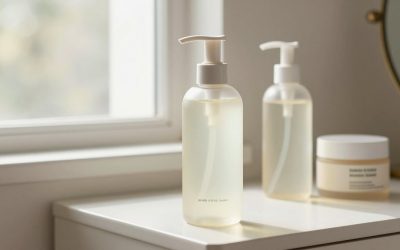
Use about one pump if the bottle dispenses a moderate pump. However, pumps vary significantly. A short pump may release 1 mL, while a large pump can release 2 mL or more. Check how much comes out before treating “one pump” as a precise measurement.
- Face only: 1.25–2.5 mL, or 1/4–1/2 teaspoon
- Face and neck: 2.5–5 mL, or 1/2–1 teaspoon
- Face, neck, and chest: 5–7.5 mL, or 1–1 1/2 teaspoons
- Hands: 1–2 mL, depending on soil and grease
- Scalp: Follow the product label; facial cleanser is not automatically a substitute for shampoo
Apply cleanser to damp skin unless the label says otherwise. Massage gently for about 20–30 seconds, then rinse thoroughly. If you are removing heavy makeup or water-resistant sunscreen, a two-step cleanse may work better than using a large amount of one cleanser.
Standard Sizes
The table below converts common cleanser amounts into household measurements and approximate physical dollop sizes. Dollop dimensions are estimates because viscosity, dispensing pressure, and product shape change from one formula to another.
| Use | Amount | U.S. measure | Approximate dollop size | Metric conversion |
|---|---|---|---|---|
| Small face wash | 1.25 mL | 1/4 teaspoon | About 1/2 inch wide × 1/4 inch high | 1.25 mL |
| Typical face wash | 2.5 mL | 1/2 teaspoon | About 3/4 inch wide × 3/8 inch high | 2.5 mL |
| Face and neck | 5 mL | 1 teaspoon | About 1 inch wide × 1/2 inch high | 5 mL |
| Face, neck, and chest | 7.5 mL | 1 1/2 teaspoons | About 1 1/4 inches wide × 1/2 inch high | 7.5 mL |
| Single-use travel portion | 5–10 mL | 1–2 teaspoons | Varies by bottle or sachet | 5–10 mL |
Common facial cleanser containers hold 4–8 fluid ounces, which equals about 118–237 mL. A 4-ounce bottle used once daily at 2.5 mL per wash provides approximately 47 uses. The same bottle used morning and night provides about 23 days of use. An 8-ounce bottle contains approximately 237 mL and can last around 95 daily washes at 2.5 mL each.
Prices vary by formula and packaging. Basic drugstore facial cleansers commonly cost about $7–$15 for 4–8 fluid ounces. A silicone cleansing tool may cost approximately $6–$20, while specialized skin or scalp-care kits can range from $50 to more than $200. A higher price does not mean you should use more product.
How to Measure Your Space
If you are choosing a cleanser bottle, dispenser, or cleansing tool for a bathroom vanity or shower shelf, measure the storage area before buying. A product that fits the sink may not fit inside a medicine cabinet or travel pouch.
- Measure width. Use a tape measure to find the side-to-side space. Record the result in inches and centimeters. To convert inches to centimeters, multiply by 2.54.
- Measure depth. Measure from the front edge of the shelf to the wall or back edge. Allow room for your fingers to grip the bottle.
- Measure height. Measure from the shelf to the lowest point above it. For a pump bottle, include the full height with the pump extended.
- Check the opening. A bottle may fit on a shelf but fail to pass through a cabinet door or medicine-cabinet opening.
- Allow clearance. Leave at least 1 inch, or 2.5 cm, around the bottle when possible. This makes it easier to clean spills and remove the container.
- Measure travel storage. For a toiletry bag, measure the usable interior rather than the outside dimensions. A 3.4-fluid-ounce container is the common maximum size for carry-on liquids in the United States, but confirm current airline rules before flying.
Most standard facial cleanser bottles have a footprint of roughly 1.5–2.5 inches wide and 1.5–2.5 inches deep, or about 3.8–6.4 cm in each direction. Their height commonly falls between 5 and 8 inches, or 12.7–20.3 cm. Treat these as planning ranges, not exact product dimensions.
By Room or Use Case
Bathroom Vanity
A 4–8-ounce pump or squeeze bottle is usually the most convenient choice for daily face washing. Place it near the sink, but not directly on a constantly wet surface. A small tray measuring about 8 × 4 inches, or 20.3 × 10.2 cm, can hold a cleanser, moisturizer, and sunscreen without taking over the counter.
Shower
For a shower, choose a container with a secure cap or locking pump. Keep facial cleanser separate from body wash so you do not accidentally use several times the intended amount. If you wash your face in the shower, 2.5–5 mL is still generally sufficient for the face and neck.
Small Bathroom or Shared Space
Compact packaging matters when shelf space is limited. Look for a bottle no more than about 2 inches wide and 6 inches high, or 5.1 cm wide and 15.2 cm high. Wall-mounted pump holders can save counter space, but the holder should support the bottle’s weight and protect the dispenser from constant splashing.
Travel and Gym Bag
A 1–2-ounce container holds approximately 30–60 mL and is often enough for a weeklong trip when using 2.5–5 mL per wash. Choose a leak-resistant cap and place the bottle in a separate waterproof pouch. Solid cleansing bars can reduce liquid volume, but keep them dry between uses to prevent rapid dissolving.
Silicone Cleansing Tool
A silicone scrubber does not replace cleanser. Apply the same measured amount to your damp hands or directly to the tool, then use light pressure for 20–30 seconds. A tool with a head around 2–3 inches wide, or 5–7.6 cm, is large enough for the face while remaining easy to rinse. Avoid pressing hard or extending the massage time to compensate for using too little cleanser.
Common Sizing Mistakes
- Assuming one pump is universal: Pump chambers differ, so measure a few dispenses if you need accuracy.
- Using a quarter-size amount automatically: More product is not necessarily more effective and may be harder to rinse away.
- Ignoring the neck: If you want to wash your neck, increase the amount from 2.5 mL to about 5 mL.
- Scrubbing instead of measuring: A cleansing brush or scrubber should not require aggressive pressure.
- Confusing cleanser with treatment: A cleanser is rinsed off. Follow the label for products containing active ingredients.
- Buying based only on bottle size: Compare the amount used per wash, not just the fluid ounces printed on the front.
- Storing bottles in unsuitable spaces: Excess heat, direct sun, and repeated water exposure can make packaging messy and inconvenient.
FAQ
How much cleanser should I use for one face wash?
Start with 1.25–2.5 mL, equal to 1/4–1/2 teaspoon. Use closer to 5 mL if you are also washing your neck or using a thick cream cleanser.
Is a pea-size amount enough?
It can be enough for a concentrated gel or low-foam cleanser, especially on a small face. If the product does not spread easily over damp skin, increase the amount slightly rather than rubbing harder.
How long should an 8-ounce cleanser last?
An 8-ounce bottle contains about 237 mL. At 2.5 mL per wash, it provides approximately 95 uses, or about 47 days when used twice daily. Your actual total depends on the pump size and whether you wash your neck and chest.
Should I use more cleanser if my skin feels oily?
Not necessarily. Use the recommended amount and rinse well. If oiliness persists, review the formula, washing frequency, moisturizer, and other products in your routine. Persistent irritation, burning, or unusual skin changes are reasons to consult a qualified medical professional.
Ready to decide? Our #1 pick for 2026 is the Small face wash.
Live price & availability on Amazon.