Last updated: October 4, 2026
Retinol is still the most researched anti-aging ingredient on the market, but it’s also the one most likely to cause redness, flaking, and regret if you pick the wrong strength or formula. In 2026, brands have gotten much better at formulating gentler, beginner-friendly versions, which means there’s less reason to start with anything harsh.
This guide walks through exactly what to check before buying your first retinol cream, including concentration, formulation type, and the ingredients that make a product easier on sensitive skin. Below are six well-regarded options worth comparing.
As an Amazon Associate we earn from qualifying purchases at no extra cost to you.




⚡ Save on Your Next PC — Amazon Prime
Prime members get fast free shipping on the systems above, plus early access to Prime Day & Black Friday PC deals. New members get a 30-day free trial.
Watch: How to Choose a Retinol Cream for Beginners: A Gentle Guide — Video Review
Understand Retinol Concentration Before You Buy
Retinol percentage is the single biggest factor in how your skin reacts. Beginners should look for concentrations between 0.01% and 0.1%, then work up over several months rather than jumping straight to 0.5% or 1%.
- 0.01%–0.05%: ideal starting point for first-time users or sensitive skin
- 0.1%: a reasonable second step once your skin tolerates retinol twice a week
- 0.15%–0.2%: better suited to those with 3-6 months of consistent retinol use behind them
- 0.3% and up: intermediate to advanced strengths, not a beginner starting point
Cream vs. Serum vs. Gel: Which Texture Fits Your Skin
Retinol comes in several textures, and the vehicle matters almost as much as the percentage. Creams tend to be the most forgiving for beginners because they pair the active with emollients that buffer irritation.
- Creams: richer, more hydrating base, best for dry or sensitive skin types
- Serums in oil bases (like squalane): lightweight but still cushioning, good for combination skin
- Gels: fast-absorbing and less greasy, suited to oily or acne-prone skin
Look for Buffering and Soothing Ingredients
The best beginner formulas rarely rely on retinol alone. They’re built around ingredients that reduce irritation while still letting the retinol do its job.
- Ceramides and squalane: reinforce the skin barrier during the adjustment period
- Centella asiatica or panthenol: calm redness and support recovery
- Hyaluronic acid: adds moisture without weighing down the formula
- Encapsulated or time-released retinol: slows delivery for a gentler effect
Check the Full Ingredient List, Not Just the Front Label
“Gentle” on a label doesn’t guarantee a gentle formula. Flip to the ingredient list and confirm where retinol falls relative to other actives, and whether fragrance or alcohol appears near the top, which can increase irritation risk for beginners.
- Avoid stacking retinol with AHAs/BHAs or vitamin C in the same routine at first
- Fragrance-free formulas are generally safer for a first retinol product
- Packaging matters too: opaque, air-restricted tubes or pumps protect retinol from degrading
Match the Product to Your Skin Type and Goals
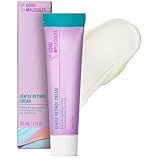
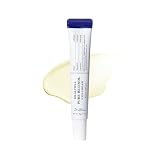
Beginners often buy based on brand reputation alone, but skin type should drive the decision. Dry skin benefits from richer creams like Good Molecules Gentle Retinol Cream, while oilier skin may do better with a lighter gel like Cocokind’s Beginner Retinol Gel 0.1%. If you want a well-tolerated mid-strength option once you’ve built tolerance, formulas like Dr.Althea’s 0.15% cream or FRANKLY’s 0.1% cream are worth considering as a second step up.
Tips for Starting Retinol Safely
- Apply a pea-sized amount to dry skin at night, 2-3 times per week for the first month
- Always follow with moisturizer, and use SPF 30+ every morning since retinol increases sun sensitivity
- Expect mild flaking or dryness in weeks 2-4; this usually settles as your skin adjusts
- Patch test on your jawline for 2-3 nights before applying to your full face
Frequently Asked Questions
How long does it take to see results from retinol?
Most people notice smoother texture within 4-6 weeks, with visible improvements in fine lines and tone taking closer to 12 weeks of consistent use.
Can I use retinol every night as a beginner?
No. Start with 2-3 nights per week for the first 4 weeks, then gradually increase frequency as your skin builds tolerance.
Do I need a separate moisturizer if my retinol is a cream?
Many retinol creams include enough emollients to skip a separate moisturizer on tolerant skin, but applying one on top is a safe default while you’re still adjusting.
Is a higher percentage always better for anti-aging results?
Not for beginners. Higher percentages increase irritation risk without necessarily speeding up results, since consistent long-term use matters more than initial strength.
Conclusion
The right first retinol cream comes down to matching concentration and texture to your skin’s tolerance, not chasing the highest percentage or newest formula. Start low, prioritize buffering ingredients, and give your skin several weeks to adjust before increasing strength or frequency. Any of the options above can work well as a starting point, provided you introduce them slowly and pair them with daily SPF.