Last updated: September 18, 2026
Quick answer: Our top pick in 2026 is the Clean fingertips — our #1 rated choice. See the full ranked comparison, alternatives and buying advice below.
The Short Answer
Yes, skincare spatulas are worth using if you regularly apply products from jars, mix masks, or want a more even, less messy application. They are not a necessary skincare step, however. A clean fingertip can spread most creams just as well, and a spatula will not make a product more effective on its own.
The deciding condition is simple: you must clean the spatula after every use. A tool that is rinsed, dried, and stored properly can be useful and hygienic; one that sits coated in old moisturizer or clay is more trouble than it is worth.
As an Amazon Associate we earn from qualifying purchases at no extra cost to you.

What You Actually Get
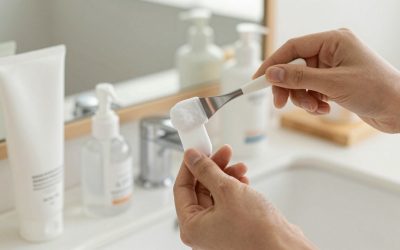
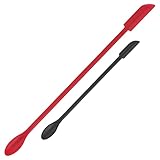
A skincare spatula is a small applicator with a flexible silicone or plastic blade. Most are roughly 4 to 6 inches long, with an application end measuring about 1/2 to 1 1/2 inches wide. That compact size makes them suitable for face masks, creams, sleeping masks, balms, and products stored in wide-mouth jars.
There are two common designs. A narrow cosmetic spatula has a small, flat end intended for scooping a controlled amount of cream or balm. A mask applicator looks more like a miniature paintbrush, often with a wider, flexible silicone tip for spreading clay, gel, or cream masks over the face. Some inexpensive sets include both styles.
For example, the Cuttte 4pcs Silicone Face Mask Applicators set is designed for mask application and includes four reusable silicone brushes. Its listed price is $3.99, making it a low-cost option if you want several applicators for different products or simply want backups while others are drying.
The Cuttte 2pcs Mini Makeup Spatula Silicone Skincare Spatula Set costs $4.99 and is better suited to scooping small amounts from jars, transferring product, or smoothing a thick cream over the skin. The “mini” format is convenient for travel and precise dispensing, although a very small tip may take longer to cover the entire face with a mask.
Neither type is a powered beauty device. There is no motor, heat, vibration, or special treatment involved. The value comes from cleaner handling, more controlled portions, and a smoother application—not from a change in the formula itself.
Pros
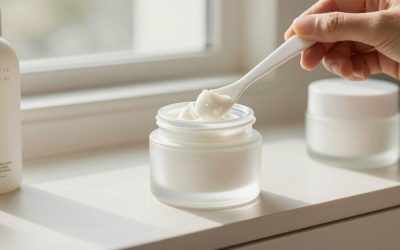
- More hygienic jar use: Dipping clean fingers into a shared jar can introduce oil, water, makeup residue, and bacteria. A washable spatula keeps your fingers out of the container and can reduce direct contamination.
- Even coverage: A flexible silicone edge can distribute a clay, cream, or gel mask more consistently than fingertips. This is particularly useful around the nose, hairline, and jaw.
- Less product waste: A flat edge can scrape product from the sides of a jar. It also helps you pick up a measured amount instead of scooping too much with a finger.
- Cleaner application: Spatulas keep thick products off your hands and under your nails. That matters when applying colorful masks, self-tanning products, balms, or strongly scented treatments.
- Useful for shared products: If multiple people use one jar of mask or moisturizer, individual applicators are easier to sanitize and replace than asking everyone to use clean fingers perfectly every time.
- Inexpensive entry point: Basic silicone sets commonly cost about $4 to $10. At that price, you do not need a major commitment to find out whether the tool fits your routine.
- Good for sensitive hands: People with dry, cracked, or irritated hands may prefer not to massage every skincare product into their palms. An applicator creates a small barrier between hands and formulas.
Cons
- Cleaning is part of the job: A spatula must be washed after use, especially after applying clay, honey-based products, oils, or formulas that dry onto silicone. Skipping this step defeats the hygiene benefit.
- It can be slower: Fingers are flexible and precise. A rigid or overly narrow spatula may take extra passes to blend product around the eyes, nose, and mouth.
- Storage can be awkward: The tool needs a clean, dry place. Tossing it wet into a makeup bag can create a damp environment where residue and odor build up.
- Not every formula needs one: Pump bottles, squeeze tubes, and single-use capsules already limit contact with the product. A spatula adds little value when there is no jar to scoop from.
- Cheap tools may feel flimsy: Low-cost silicone can vary in firmness. A tip that bends too easily may drag across the skin, while a stiff plastic edge can feel less comfortable.
- It does not replace clean hands: You still need to wash your hands before applying skincare. The spatula is an additional hygiene tool, not a substitute for basic handwashing.
- Potential for cross-contamination: Using the same applicator for several open jars without washing it between products can transfer residue from one formula to another.
Who Should Buy It
A skincare spatula is a sensible purchase if you use wash-off masks at least a few times per month, prefer products in jars, or dislike getting thick formulas under your fingernails. It is also useful for anyone who shares face masks with household members, wants to portion expensive creams carefully, or enjoys a neat, ritual-like application.
Buy one if you want a low-cost tool rather than a dramatic beauty gadget. A two-piece set is usually enough for ordinary skincare. A four-piece mask applicator set makes more sense if you use several formulas, want one in different rooms, or would like a spare available while another is being cleaned.
For most buyers, soft silicone is the safest all-purpose material. Look for a smooth, nonporous surface, a handle that is easy to grip, and an applicator head wide enough to spread product without repeated scraping. A length of about 4 to 6 inches is compact but still comfortable to hold.
Who Should Skip It
Skip a skincare spatula if your routine mostly uses pumps, droppers, tubes, or spray products. You may also not need one if you apply moisturizer with freshly washed hands and do not use masks or jar-based treatments.
It is not an ideal purchase for someone unlikely to clean it after each use. In that case, a disposable applicator or clean fingertip may be more practical, depending on the product instructions. People with active skin irritation should also avoid aggressively dragging any tool over the face. A spatula should glide gently; it should never be used to scrub, exfoliate, or lift flakes.
Cheaper Alternatives
| Option | Cost | Trade-off |
|---|---|---|
| Clean fingertips | $0 | Most convenient and precise, but fingers contact the product and can introduce residue into a jar. |
| Cotton swab | About $2–$5 per package | Useful for tiny amounts and spot application, but it absorbs product and creates disposable waste. |
| Clean teaspoon or cosmetic mixing spoon | About $1–$5 | Good for scooping or mixing, but usually too large and rigid for even facial application. |
| Cuttte 4pcs silicone mask applicators | $3.99 | Four reusable tools offer good value, but the brush style is mainly intended for masks rather than precise jar dispensing. |
| Cuttte 2pcs mini silicone spatulas | $4.99 | Better for controlled scooping and travel, though the small application end may require more strokes for a full mask. |
The cheapest option is still a clean finger, provided the product packaging allows it and your hands are washed first. A silicone spatula earns its small cost through convenience and repeat use, not through superior skincare results.
FAQ
Are skincare spatulas more hygienic than fingers?
They can be, especially for products in open jars, but only when cleaned after each use. Wash the applicator with warm water and mild soap, remove all visible residue, rinse it thoroughly, and let it air-dry completely. Clean hands are still required before handling the tool or product.
Can I use a skincare spatula for every product?
No. Spatulas work best with creams, balms, sleeping masks, clay masks, and gels. They are less useful for watery toners, serums in droppers, or products already packaged in pumps. Follow the product directions, and avoid using one applicator across different formulas without washing it first.
How much product should I apply with a spatula?
Use the amount recommended on the product label rather than filling the entire blade. For a mask, that may be a thin, even layer rather than a thick coat. Start with a small scoop—roughly pea-sized for a localized treatment or teaspoon-sized for some full-face masks—and add more only if needed.
Are skincare spatulas worth using in 2026?
They are worth using when they solve a specific problem: messy mask application, product waste, jar hygiene, or difficulty keeping thick products off your hands. They are not an essential upgrade for every routine. If you have jar-based skincare and will clean the tool consistently, a $4 to $5 silicone set is a reasonable, low-risk buy. Otherwise, keep your routine simple and use clean hands.
Ready to decide? Our #1 pick for 2026 is the Clean fingertips.
Live price & availability on Amazon.