Last updated: September 27, 2026
Centella asiatica, sold on labels as cica, tiger grass or gotu kola, has become the default “calming” ingredient in Korean and French pharmacy skincare. It shows up in toners, ampoules, balms, sheet masks and even sunscreens. That ubiquity is useful, but it also makes it hard to tell a cica product built around the ingredient from one that lists a trace of extract for marketing. This guide explains what centella actually contributes, how to fit it into a routine without doubling up, and the specific situations where you should skip it or patch test more carefully.
What centella asiatica is and what it contains
Centella is a small leafy plant from the parsley family that grows in wet ground across South and Southeast Asia. Skincare brands use either a whole-plant extract or isolated compounds from it. The four names worth recognizing on an ingredient list are madecassoside, asiaticoside, madecassic acid and asiatic acid. These triterpenoids are the reason centella is associated with soothing and barrier support. A label that names one or more of them is usually more deliberate than one that only says “centella asiatica extract” near the bottom of the list.
Extract, water, or isolated actives
Some products replace plain water with centella leaf water, which sounds impressive but is generally mild. Others use a concentrated extract or a standardized blend of the four triterpenoids. Neither format is automatically better; what matters is where the ingredient sits in the list and what else the formula contains. A cica cream that is also loaded with fragrance or essential oils is working against its own purpose.
Benefits you can reasonably expect
Centella is best thought of as a supporting ingredient rather than a treatment. Reasonable, cosmetic-level expectations include:
- Visible calming of skin that looks flushed after exfoliation, shaving, wind or a new active.
- Barrier support, especially when paired with ceramides, panthenol or glycerin, so skin feels less tight.
- Comfort during retinoid use, where a cica moisturizer can make the adjustment weeks easier to tolerate.
- Hydration through the humectants that usually accompany it in essences and ampoules.
It will not fade dark spots on its own, it is not a substitute for sunscreen, and it is not a treatment for eczema, rosacea or infected skin. If your redness is persistent, burning or spreading, that is a reason to see a dermatologist rather than add another soothing product.
How to use centella in a routine
Because centella is gentle and plays well with almost everything, placement depends on the product format rather than the ingredient.
| Format | Where it goes | Best for | How often |
|---|---|---|---|
| Toner or essence | After cleansing, before serums | Light hydration, combination skin | AM and/or PM |
| Ampoule or serum | After toner, before moisturizer | Targeted calming after actives | Once or twice daily |
| Cream or balm | Last step before SPF or at night | Dry, tight or over-exfoliated skin | PM, or AM if dry |
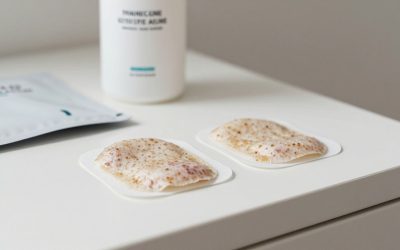
| Sheet or wash-off mask | After cleansing | Short-term comfort after sun or travel | 1–3 times per week |
| Cica sunscreen | Final AM step | Sensitive skin that dislikes plain SPF | Every morning |
Pairing it with actives
Centella is often the “buffer” in a routine that includes retinol, vitamin C or exfoliating acids. A simple pattern is to use your active serum, then a cica cream on top. On nights you skip actives, a cica ampoule plus a plain moisturizer keeps the routine consistent without adding irritation. There is no known conflict between centella and niacinamide, hyaluronic acid, peptides or azelaic acid.
One cica product is usually enough
Layering a cica toner, cica serum and cica cream does not triple the effect. It triples the chance that one of those products contains something your skin dislikes. Pick the format that matches your main complaint and keep the rest of the routine plain.
What to avoid
Centella itself is well tolerated by most people, but the products that carry it vary a lot. Watch for these issues:
- Fragrance and essential oils. Many “calming” cica products still include perfume, lavender or citrus oils. If you are buying cica specifically because your skin is reactive, choose fragrance-free.
- Heavy occlusive balms on acne-prone skin. Thick cica balms can feel suffocating and may clog pores for some people. Oily skin generally does better with a gel or ampoule.
- Plant allergies. Contact allergy to centella is uncommon but documented. If you react to other plants in the Apiaceae family, patch test on the inner arm or jawline for several days first.
- Broken or infected skin. Do not apply cosmetic products to open wounds, weeping rashes or signs of infection. That needs medical advice.
- Relying on it for sun protection. “Cica” on a sunscreen label describes a soothing add-in, not the SPF. Check the stated SPF and broad-spectrum claim.
How to choose a centella product
Start with your skin type, then the job you want the product to do. Oily or combination skin tends to like a watery ampoule or toner. Dry or mature skin usually prefers a cream that pairs centella with ceramides or panthenol. Sensitive skin should prioritize a short ingredient list with no fragrance. Check the current label for where centella or its actives appear, because brands reformulate and the version on the shelf may differ from older reviews. Price is not a reliable quality signal here: budget and premium cica products often share very similar ingredient profiles.
FAQ
Can I use centella asiatica every day?
Yes, for most people. It is one of the gentler ingredients in skincare, and daily use in a toner, serum or moisturizer is common. Stop and reassess if you notice itching, bumps or redness that were not there before.
Is cica the same as centella asiatica?
Essentially yes. “Cica” is a marketing shorthand derived from cicatrization, the French term for wound healing. It usually signals centella or its compounds, but check the ingredient list because some products use the word loosely.
Bottom line
Centella asiatica is a dependable soothing and barrier-support ingredient that makes other parts of a routine easier to live with. Choose one fragrance-free format that suits your skin type, look for madecassoside or asiaticoside on the label, pair it with your actives rather than stacking several cica products, and treat persistent redness as a reason to get professional advice.