Last updated: September 26, 2026
- Understanding rosacea before choosing products
- Serum ingredients that often suit rosacea-prone skin
- Ingredients and habits to avoid
- How to introduce a new serum
- Building a rosacea-friendly routine
- Reading a serum label with rosacea in mind
- Trigger awareness
- Contraindications and when to see a clinician
- FAQ
- Bottom line
Choosing a serum when you have rosacea is mostly an exercise in restraint. Skin with rosacea tends to have a weaker barrier, reacts to triggers like heat and alcohol, and stings with products that other people use without a second thought. The right serum can calm visible redness, support the barrier and make the skin more comfortable; the wrong one can cause a flare that lasts days. This guide covers the ingredients that tend to suit rosacea-prone skin, the ones to avoid, and why a diagnosis from a clinician is worth getting.
Understanding rosacea before choosing products
Rosacea is a long-term inflammatory condition, not simply “sensitive skin.” It commonly shows up as persistent central facial redness, visible small blood vessels, flushing, and in some people bumps and pustules that look like acne. Because it can resemble other conditions, including perioral dermatitis, seborrhoeic dermatitis and lupus, it is worth having a GP or dermatologist confirm it. Prescription options such as topical ivermectin, metronidazole, azelaic acid 15% and vessel-constricting gels are effective and not available as over-the-counter serums.

Anua Azelaic Acid 10 Hyaluron Redness Soothing Serum, 1.01 fl oz
Included for 'Best Serum for Rosacea: Gentle Ingredients That Calm Redness' because the listing specifies 1.01 fl oz, details this guide uses to compare options.
View on Amazon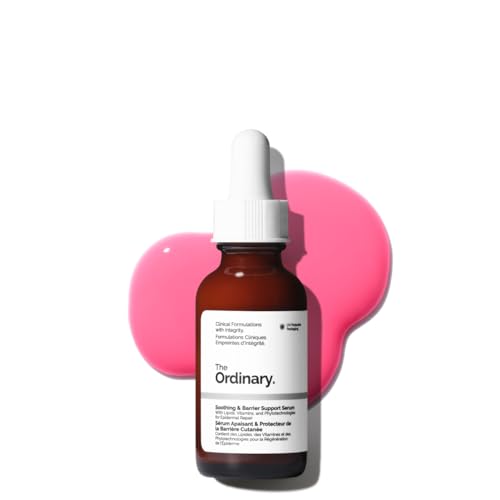
The Ordinary Soothing & Barrier Support Serum, Redness-Reducing & Hydrating Solution with Centella Asiatica for Skin Barrier Repair, 1 Fl Oz
Included for 'Best Serum for Rosacea: Gentle Ingredients That Calm Redness' because the listing specifies 1 Fl Oz, details this guide uses to compare options.
View on Amazon
Prequel Skin Redness Corrector - Calming Face Serum, Oat Extract Sensitive
Included for 'Best Serum for Rosacea: Gentle Ingredients That Calm Redness' because the listing specifies Calming Face Serum and Oat Extract Sensitive, details this guide uses to compare options.
View on Amazon
medicube Azelaic Acid 10 Soothing Serum
Included for 'Best Serum for Rosacea: Gentle Ingredients That Calm Redness' as a relevant option in this category; details come from the product listing.
View on AmazonSerum ingredients that often suit rosacea-prone skin
| Ingredient | Why it helps | Suggested use |
|---|---|---|
| Azelaic acid 10% | Reduces redness and bumps; widely studied for rosacea | Once daily, build to twice |
| Niacinamide 2–5% | Strengthens barrier, eases redness over time | Daily; lower strengths first |
| Panthenol (vitamin B5) | Soothing, humectant | Daily, morning and night |
| Centella asiatica / madecassoside | Calming, barrier support | Daily |
| Ceramides + glycerin | Reduce water loss and stinging | Daily |
| Licorice root extract | May calm visible redness | Daily if tolerated |
Azelaic acid serums from brands like The Ordinary and Paula’s Choice are common over-the-counter picks, typically priced around $10–$45. Niacinamide and centella serums are available across pharmacy and K-beauty ranges. Check the current price and the full ingredient list before buying.
Ingredients and habits to avoid
- Fragrance and essential oils, including “natural” ones like peppermint, eucalyptus and citrus.
- High-alcohol formulas that feel cooling at first but dry and sting.
- Menthol and camphor.
- Strong AHAs and scrubs, which can trigger flushing.
- High-strength L-ascorbic acid vitamin C at a low pH; gentler derivatives may be better tolerated.
- Hot water, steam and saunas on the face.
How to introduce a new serum
- Patch test on a small area along the jaw for 3–5 days.
- Start every other day, in the evening, over dry skin.
- Expect mild tingling from azelaic acid for the first week or two; burning, swelling or spreading redness means stop.
- Introduce only one new product every two to three weeks.
Building a rosacea-friendly routine
Morning
Lukewarm water or a creamy, fragrance-free cleanser; niacinamide or centella serum; a simple barrier moisturiser; and a mineral sunscreen with zinc oxide or titanium dioxide, which many people with rosacea tolerate better than some chemical filters. Green-tinted primers or tinted mineral SPF can neutralise redness cosmetically.
Evening
Gentle cleanse, azelaic acid, then moisturiser. Keep the step count low.
Reading a serum label with rosacea in mind
Scan the ingredient list from the top. Water, glycerin, niacinamide or azelaic acid near the start is a good sign. “Parfum,” “fragrance,” “alcohol denat.” or a long run of plant extracts and oils near the top is a warning. Short ingredient lists are not automatically better, but they give fewer chances for a reaction and make it easier to identify a culprit if one occurs. Lightweight gel or lotion serums tend to feel cooler on flushed skin than oily textures, and airless pumps keep formulas stable without heavy preservative loads.
Cooling without triggering
Keeping a serum in a cool cupboard, not the freezer, can make application feel soothing during a flush. Avoid ice directly on the skin, which can rebound into more redness for some people.
Trigger awareness
Serums work best alongside trigger management. Common triggers include sun, heat, spicy food, alcohol, hot drinks, intense exercise and stress. Keeping a simple diary for a few weeks can show which ones matter most for you.
Contraindications and when to see a clinician
If your eyes feel gritty, burn or look red, that can be ocular rosacea and needs medical assessment. If you are pregnant, ask your clinician before starting new actives. If you take photosensitising medication, be strict about sun protection. See a clinician if bumps and pustules are frequent, redness is worsening, or skin is thickening around the nose.
FAQ
Is azelaic acid safe for rosacea?
It is one of the best-studied topical ingredients for rosacea and is available as a prescription at higher strength. Over-the-counter 10% versions suit many people, though some find it tingles at first.
Can I use retinol if I have rosacea?
Some people can, at low strength and slowly, but many find it irritating. Discuss it with a dermatologist and prioritise barrier support first.
Bottom line
For rosacea-prone skin, the best serums are simple and calming: azelaic acid, niacinamide, panthenol and centella in fragrance-free bases. Avoid fragrance, alcohol and strong exfoliants, add one product at a time, wear mineral SPF daily, and get a clinician’s diagnosis, because prescription treatment often makes the biggest difference.