- Top Pick: Amazon Basics 10% Benzoyl Peroxide Acne Treatment Gel, Maximum Strength, 1 Fluid Ounce
- Best Value: Amazon Basics Advanced Acne Spot Treatment with 2% Salicylic Acid Medication, Blemish Treatment, 0.75 Fluid Ounces, 1-Pack
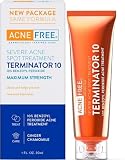
- Premium Choice: AcneFree Terminator 10 Acne Spot Treatment with Benzoyl Peroxide 10% Maximum Strength Acne Cream Treatment, 1 Ounce – Pack Of 1
Last updated: October 4, 2026
Benzoyl peroxide and salicylic acid are the two most studied over-the-counter acne actives, but they work in different ways and suit different skin types. Benzoyl peroxide kills acne-causing bacteria (P. acnes) and reduces inflammation, making it the stronger choice for red, inflamed breakouts and body acne. Salicylic acid is a beta-hydroxy acid that exfoliates inside the pore, dissolving the oil and dead skin that cause blackheads and whiteheads, which makes it gentler and better suited for sensitive or dry skin.
In 2026, the OTC acne aisle is still dominated by a handful of reliable formulas rather than flashy new launches, and that’s good news for your wallet and your skin barrier. Below we break down six well-known treatments, half built on benzoyl peroxide and half on salicylic acid, so you can match the active ingredient (and strength) to your actual breakout pattern instead of guessing.
As an Amazon Associate we earn from qualifying purchases at no extra cost to you.




⚡ Save on Your Next PC — Amazon Prime
Prime members get fast free shipping on the systems above, plus early access to Prime Day & Black Friday PC deals. New members get a 30-day free trial.
Watch: Benzoyl Peroxide vs. Salicylic Acid: Acne Treatments Explained — Video Review
How to Choose
- Acne type: Inflamed, red, or cystic-leaning bumps respond better to benzoyl peroxide; surface blackheads and whiteheads respond better to salicylic acid.
- Skin sensitivity: Dry, sensitive, or rosacea-prone skin usually tolerates 2% salicylic acid better than 10% benzoyl peroxide, which can cause peeling and dryness.
- Concentration: Benzoyl peroxide comes in 2.5%, 5%, and 10% strengths; higher isn’t always better since irritation rises faster than results past 5% for most users.
- Format: Spot gels target individual pimples, while foaming washes with benzoyl peroxide are better for widespread body acne on the chest, back, or shoulders.
- Bleaching risk: Benzoyl peroxide can bleach towels, pillowcases, and colored fabric, so use white linens or apply carefully if that’s a concern.
The Best Picks Reviewed
Amazon Basics 10% Benzoyl Peroxide Acne Treatment Gel
This is a straightforward, maximum-strength 10% benzoyl peroxide gel without added fragrance or frills. It’s a solid budget pick for anyone who has already tolerated benzoyl peroxide at lower strengths and wants to step up to a more potent formula for stubborn inflamed breakouts.
Amazon Basics Advanced Acne Spot Treatment 2% Salicylic Acid
A 0.75-ounce spot gel formulated at 2% salicylic acid, the maximum OTC strength allowed. It’s built for targeted use on blackheads and small clogged-pore bumps rather than large inflamed cysts, and the small size makes it easy to test compatibility before committing to a bigger bottle.
AcneFree Terminator 10 Acne Spot Treatment
Also formulated at 10% benzoyl peroxide, this cream-gel hybrid is designed for spot treating rather than full-face application. Expect visible drying and flaking on treated spots within a day or two, which signals the active ingredient is working but also means it should be used sparingly on surrounding skin.
PanOxyl 10% Benzoyl Peroxide Acne Foaming Wash
PanOxyl’s foaming wash delivers 10% benzoyl peroxide in a rinse-off format, which is the preferred way to use this strength on larger areas like the chest and back since it limits contact time and reduces dryness compared to leave-on gels. It’s a dermatologist-recommended staple for body acne specifically because of this format.
Neutrogena Rapid Clear Stubborn Acne Spot Treatment Gel
This gel combines benzoyl peroxide with salicylic acid in one formula, giving it a dual mechanism: bacteria-killing and pore-exfoliating in a single application. That combination makes it a reasonable middle-ground option for people who aren’t sure which single active will work better for their skin.
Frequently Asked Questions
Can I use benzoyl peroxide and salicylic acid together?
Yes, but introduce them separately at first. Many people alternate a salicylic acid cleanser in the morning with a benzoyl peroxide spot treatment at night, or use a combination product like Neutrogena Rapid Clear, to avoid over-drying the skin barrier.
How long until I see results?
Most people see a reduction in new breakouts within 4 to 6 weeks of consistent daily use. Spot treatments can reduce the size and redness of an individual pimple within 24 to 48 hours, but they won’t erase it overnight.
Why does benzoyl peroxide bleach my towels?
Benzoyl peroxide is an oxidizing agent, and that same chemical action that kills bacteria also breaks down dyes in fabric. It’s not a defect in the product; use white pillowcases and towels when applying it to avoid ruined laundry.
Which one is better for teenage acne vs. adult acne?
Teenage acne tends to run more inflamed and cystic due to hormonal oil production, so benzoyl peroxide often performs better. Adult acne, especially around the jawline, is frequently tied to clogged pores and can respond well to salicylic acid, though results vary by individual.
Final Thoughts
For most inflamed, active breakouts, the PanOxyl 10% Foaming Wash is the safest way to get maximum-strength benzoyl peroxide onto larger areas without excessive dryness. For targeted blackheads and sensitive skin, the Amazon Basics 2% Salicylic Acid spot treatment offers effective, low-irritation exfoliation. If you want one product that covers both bases, the Neutrogena Rapid Clear combination gel is the most versatile pick on this list.