Last updated: October 4, 2026
Navigating the sheer volume of facial exfoliation devices on the market can feel overwhelming, especially with the rapid advancements in at-home skin treatments arriving by 2026. Whether you are aiming for a smoother makeup canvas or enhanced serum absorption, picking the right tool is the single most important decision you will make for your routine. Choosing haphazardly often leads to razor burn, irritation, or ineffective peach fuzz removal, turning a luxurious ritual into a frustrating chore.
To cut through the clever marketing and flashy packaging, you need to understand the structural and functional differences that separate a professional-grade experience from a dangerous razor accident. This guide breaks down the core elements that genuinely matter when shopping for a dermaplaning device, helping you invest your money wisely based on your skin type, dexterity, and lifestyle preferences.
As an Amazon Associate we earn from qualifying purchases at no extra cost to you.
Blade Material and Edge Quality
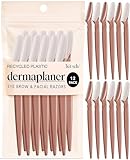
The blade is the beating heart of any dermaplaning tool, and the material it is crafted from dictates both safety and efficacy. High-grade stainless steel is the gold standard because it resists corrosion and maintains a micro-thin edge without bending under light pressure. Avoid cheap, unbranded metal alloys that dull quickly, as a dull blade requires more pressure, which dramatically increases your risk of micro-tears and irritation. Look for finely honed edges that glide effortlessly across the skin rather than scraping against it.
Safety Guards Versus Naked Blades
One of the most critical decisions you face is choosing between a guarded blade and an unguarded, surgical-style scalpel. Safety guards feature a fine wire micro-guard across the edge of the blade, making it virtually impossible to deeply nick the skin. These are ideal for beginners, individuals with shaky hands, or anyone treating tricky contours like the upper lip and nose. Unguarded blades offer a closer, professional-level exfoliation but require an advanced level of control and steady pressure, making them risky for casual home users.
Manual Versus Electric and Vibrating Handles
The debate between traditional manual razors and electric, sonic-vibrating devices comes down to user preference and skin sensitivity. Manual tools give you absolute, tactile control over speed and angle, allowing you to micro-adjust instantly. Electric options use sonic vibrations to purportedly loosen dead skin cells and guide the blade more smoothly, but they also introduce mechanical complexity and higher price points. If you have sensitive skin, a simple manual tool often provides a cleaner, more predictable glide without the added friction of motor vibrations.
Ergonomics, Weight, and Grip Stability
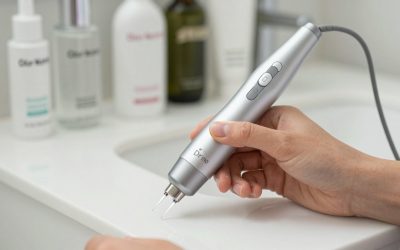
A dermaplaning tool is only as good as the hand holding it. Handle design directly impacts your ability to maintain the correct forty-five-degree angle against your face. Look for tools featuring textured grips, rubberized coatings, or weighted metal handles that prevent slipping, especially if your hands are slightly damp from cleansing oils or pre-prep products. Lightweight plastic handles can feel flimsy and hard to steer, whereas a well-balanced handle provides the stability needed for precise, confident strokes.
Sustainability and Replacement Economics
Environmental impact and ongoing costs are vital considerations when committing to a specific tool ecosystem. Single-use plastic disposables create unnecessary landfill waste and add up quickly in monthly expenses. Instead, look for options that feature stainless steel replacement heads on a durable, permanent metal handle, or high-quality solid metal tools that can be thoroughly sanitized between uses. Evaluating the cost-per-replacement blade helps you choose a system that remains economical over the long term.
When to Spend More Versus Buying Budget
Price does not always equate to superior performance in the world of skincare tools. Basic multi-packs of stainless steel razors can perform admirably for simple hair removal, provided they are sharp and clean. However, investing more makes sense when you are looking for ergonomic perfection, reusable weighted handles, premium Japanese steel, or sophisticated sonic vibration systems that reduce user error. Decide whether you are paying for luxury aesthetics or genuine functional upgrades before dropping a significant amount of money.
Common Selection Mistakes to Avoid
Many buyers make the mistake of purchasing oversized brow razors and attempting to use them across the entire face, which leads to poor coverage and awkward angles. Another common pitfall is ignoring your skin barrier status; buying an aggressive, unguarded tool while dealing with active acne or compromised skin is a recipe for inflammation. Always match the tool’s aggressiveness to your skin’s current resilience rather than your aesthetic goals alone.
Related Guides
To build a complete personal care routine, explore our comprehensive top device rankings breakdown. For managing your post-exfoliation styling and blowout needs, check out our expert recommendations in the best multi-styler styling guide.
FAQ
How often should I replace my dermaplaning blade?
You should replace a single-use blade or detachable head after every single use to prevent bacterial growth and dullness. Reusing blades introduces micro-organisms to the skin and increases the likelihood of tugging and irritation.
Can I dermaplane if I have active acne breakouts?
No, you should completely avoid dermaplaning over active pimples, cysts, or broken skin. Passing a blade over active breakouts will rupture blemishes, spread bacteria across your face, and severely worsen inflammation.
Do dermaplaning tools make facial hair grow back thicker?
This is a persistent skincare myth that has been thoroughly debunked. Dermaplaning only removes the dead surface cells and fine vellus hair, leaving the hair follicle structure completely unchanged so it grows back with the exact same texture.
What prep work is necessary before using the tool?
Always start with a thoroughly cleansed, completely dry face free of any oils or heavy moisturizers. Applying a tool to wet or oily skin reduces grip, compromises glide, and drastically increases your risk of accidental nicks.