Last updated: September 27, 2026
Aquaphor Healing Ointment is one of those products that almost every household has somewhere: a tube in the bathroom, a travel tin in the bag, a tub by the changing table. It is a petrolatum-based ointment (the label lists petrolatum around 41%, along with ingredients such as panthenol, glycerin and bisabolol; check your package for the current formulation) designed to protect dry, cracked and irritated skin. It is inexpensive, typically in the $6–20 range depending on size. This review looks at why it works, where it shines, and where you should use something else.
How an occlusive ointment works
Petrolatum is an occlusive: it forms a semi-permeable layer on the skin that dramatically slows water loss. Unlike a lotion, which is mostly water, an ointment has very little water and therefore does not evaporate. That seal gives damaged skin a protected, moist environment in which it can repair itself. Aquaphor’s formula is semi-occlusive, meaning it still lets some air through, and the added humectants and soothing ingredients make it more comfortable than plain petroleum jelly for many people.
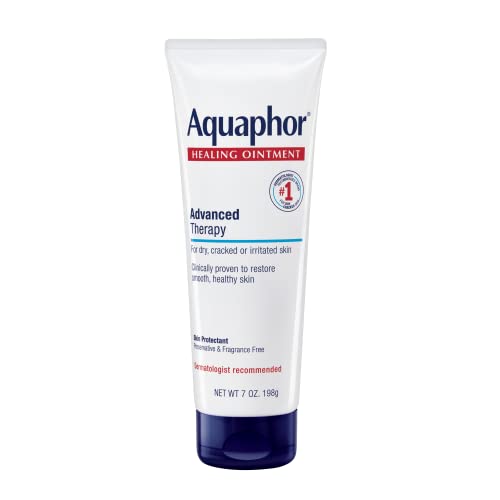
Aquaphor Advanced Therapy Healing Ointment, Skin Protectant, 7 OZ
Included for 'Aquaphor Healing Ointment Review: Does It Actually Work?' because the listing specifies Skin Protectant and 7 OZ, details this guide uses to compare options.
View on Amazon
Aquaphor Advanced Therapy Healing Ointment, Value Pack, 2 X 0.35 OZ
Included for 'Aquaphor Healing Ointment Review: Does It Actually Work?' because the listing specifies Value Pack and 2 X 0.35 OZ, details this guide uses to compare options.
View on Amazon
Aquaphor Baby Advanced Therapy Healing Ointment Skin Protectant, 14 OZ
Included for 'Aquaphor Healing Ointment Review: Does It Actually Work?' because the listing specifies 14 OZ, details this guide uses to compare options.
View on Amazon
Aquaphor Advanced Therapy Healing Ointment, Multipack, 3 x 1.75 OZ
Included for 'Aquaphor Healing Ointment Review: Does It Actually Work?' because the listing specifies Multipack and 3 x 1.75 OZ, details this guide uses to compare options.
View on AmazonCommon uses
| Use | Why it helps | How to apply |
|---|---|---|
| Chapped lips | Seals in moisture, protects from wind | Thin layer day and night |
| Cracked hands and heels | Protects and softens | Thick layer at night with gloves or socks |
| Minor cuts and scrapes | Keeps wound moist to support healing | Clean first, thin layer, cover if needed |
| Dry patches on face | Spot occlusion (“slugging”) | Thin layer over moisturizer at night |
| Irritation from retinoids | Protects corners of nose and mouth | Apply before retinoid on sensitive zones |
Does it actually work?
For dryness and protection, it is among the most effective products available at any price. Lips, knuckles and heels respond quickly, often overnight. For minor wounds, keeping the area moist under a thin layer of ointment is widely recommended over letting it dry out, and many people notice less crusting. It is not a medicated product, though; infected wounds, burns beyond minor ones, or persistent rashes need medical care.
The “slugging” trend
Slugging means applying a thin layer of occlusive over your nighttime routine. For very dry or compromised skin, it can make a noticeable difference to how skin feels in the morning. For oily or acne-prone skin, it can trap sweat and product and may contribute to clogged pores in some people, so spot-slug dry areas instead of the whole face.
Who it suits
It suits almost anyone with dry, chapped or irritated areas, people using drying acne or anti-aging treatments, outdoor workers and athletes, and anyone in a cold or dry climate. Oily, acne-prone faces should use it sparingly and selectively.
Allergy note
Aquaphor contains lanolin alcohol, which a small number of people react to. If you have a known lanolin sensitivity or notice redness and itching after use, switch to a plain petrolatum product.
How to use it well
Less is more on the face: a rice-grain amount warmed between fingertips and pressed over dry spots is enough. On lips, apply a thin layer often. For hands and feet, apply generously at night and cover. Apply ointment last in your routine, since products applied on top of it will not absorb well.
Aquaphor vs. plain petroleum jelly
Plain petroleum jelly is a more complete occlusive and has fewer ingredients, which is ideal for very sensitive or lanolin-allergic skin. Aquaphor adds humectants and soothing ingredients and feels a little less heavy, which many people prefer for lips, face and everyday use. Both are excellent; choose based on texture and sensitivities.
FAQ
Can I use Aquaphor on my face every night?
Dry and normal skin often can, as a thin final layer. Oily or acne-prone skin should use it only on dry patches to reduce the risk of congestion.
Can Aquaphor go on a new tattoo?
Many artists recommend a thin layer during early healing, but follow your tattoo artist’s specific aftercare instructions.
Bottom line
Aquaphor Healing Ointment works because it does one thing extremely well: it seals and protects dry, cracked or irritated skin. It is inexpensive, versatile and trusted for lips, hands, heels and minor skin damage. Use it thinly on the face, avoid it if you react to lanolin, and it will earn its spot in every bathroom cabinet.