Last updated: September 27, 2026
The Ordinary Azelaic Acid Suspension 10% is one of the brand’s most versatile products, targeting uneven tone, texture, blemishes, and redness. It usually costs around $10–14 for 30 ml. Azelaic acid is a well-researched ingredient, and this formula brings it to a very low price point. This review explains what azelaic acid does, how this suspension feels (including its famous pilling issue), and how to use it effectively.
What is azelaic acid?
Azelaic acid is a dicarboxylic acid naturally produced by a yeast that lives on the skin. In skincare, it has several useful properties: it has mild exfoliating effects, it helps reduce the look of redness, it supports clearer pores, and it interferes with pigment production, which can help even out tone. Prescription versions typically use 15–20%, while cosmetic formulas like this one use around 10%.

The Ordinary Azelaic Acid Suspension 10%, Brightening Formula for Uneven and Blemish-Prone Skin, 1 Fl Oz
Included for 'The Ordinary Azelaic Acid Suspension 10 Percent Review: Does It Actually Work?' because the listing specifies Brightening Formula for Uneven and Blemish-Prone Skin and 1 Fl Oz, details this guide uses to compare options.
View on Amazon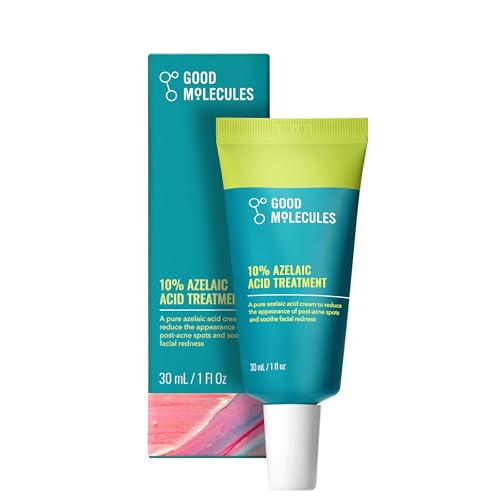
Good Molecules 10% Azelaic Acid Treatment for Face – Blurs Facial Redness & Evens Skin Tone – Brightens the Look of Dark Spots & Refines Texture – Vegan & Fragrance-Free Skincare (30ml / 1.01 fl oz.)
Included for 'The Ordinary Azelaic Acid Suspension 10 Percent Review: Does It Actually Work?' because the listing specifies Blurs Facial Redness & Evens Skin Tone and Brightens the Look of Dark Spots & Refines Texture, details this guide uses to compare options.
View on Amazon
Anua Azelaic Acid 10 Hyaluron Redness Soothing Serum, 1.01 fl oz
Included for 'The Ordinary Azelaic Acid Suspension 10 Percent Review: Does It Actually Work?' because the listing specifies 1.01 fl oz, details this guide uses to compare options.
View on Amazon
Naturium Azelaic Topical Acid 10% Jumbo, Face & Skin Care Beauty Treatment with Niacinamide & Vitamin C, 2 oz
Included for 'The Ordinary Azelaic Acid Suspension 10 Percent Review: Does It Actually Work?' because the listing specifies 2 oz, details this guide uses to compare options.
View on AmazonWhy it is so versatile
Few ingredients address blemishes, redness, and pigmentation at the same time while remaining relatively gentle. That is why azelaic acid is often recommended for sensitive skin, deeper skin tones prone to post-inflammatory marks, and people who cannot tolerate strong acids or retinoids.
What it helps with
| Concern | Expected effect | Timeframe |
|---|---|---|
| Post-acne marks | Gradual fading | 8–12 weeks |
| Uneven tone | More even look | 8–12 weeks |
| Occasional blemishes | Fewer, less inflamed-looking spots | 4–8 weeks |
| Redness | Calmer appearance | 4–8 weeks |
| Rough texture | Smoother surface | 4–6 weeks |
The texture and pilling problem
The suspension is a cream-gel with a silicone base that can feel slightly gritty. It is known for pilling, especially if applied too thickly or layered under certain products. Tips to reduce pilling:
- Use a small amount, about a pea size for the whole face.
- Apply to dry skin and let it absorb for a couple of minutes before the next step.
- Avoid layering it with too many silicone-heavy products.
- If pilling persists, use it at night only, or mix it with a small amount of moisturizer.
How to use it
- Cleanse and pat skin dry.
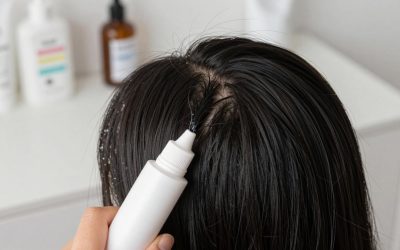
- Apply a thin layer once daily at first, either morning or evening.
- Increase to twice daily after two to three weeks if your skin tolerates it.
- Follow with moisturizer.
- In the morning, finish with broad-spectrum SPF 30+.
Possible side effects
Tingling or mild itching is common in the first few uses and usually fades. Some people experience dryness or slight peeling. If you notice persistent burning, swelling, or rash, stop using it.
Pairing with other actives
Azelaic acid pairs well with niacinamide, retinoids (on alternate nights or layered carefully), vitamin C, and hyaluronic acid. Avoid using it on the same night as strong exfoliating acids if your skin is sensitive. For stubborn pigmentation, a morning vitamin C and evening azelaic acid is a common combination.
Who it suits
- Skin prone to redness and blemishes.
- Deeper skin tones with post-inflammatory hyperpigmentation.
- People who cannot tolerate strong acids or retinoids.
- Budget-focused shoppers who want a multi-benefit active.
When to see a professional
Persistent redness with flushing, bumps, or visible blood vessels may indicate rosacea, which benefits from professional diagnosis. Prescription-strength azelaic acid may also be more effective for moderate concerns than a cosmetic 10% formula.
Value
At under 50 cents per ml and with a small amount needed per use, a tube lasts two to three months. It is one of the most cost-effective multi-purpose actives available, even with its texture quirks.
10% cosmetic vs prescription azelaic acid
Prescription azelaic acid gels and creams typically contain 15–20% and are formulated for specific skin conditions under medical supervision. A 10% cosmetic suspension is gentler and more affordable, making it a reasonable first step for mild blemishes, redness, and marks. If you have used the 10% product consistently for three months and still struggle with persistent redness or breakouts, that is a good point to talk to a dermatologist about stronger options rather than simply adding more over-the-counter products.
FAQ
Can I use azelaic acid with retinol?
Yes, but introduce them one at a time. Many people use azelaic acid in the morning and a retinoid at night, or alternate nights, to limit irritation.
How long does it take to see results?
Blemishes and redness may improve in four to eight weeks. Pigmentation typically needs eight to twelve weeks or more, alongside daily sunscreen.
Bottom line
The Ordinary Azelaic Acid Suspension 10% is an affordable, multi-benefit active for blemishes, redness, texture, and uneven tone. It works gently and suits many sensitive skin types. The texture can pill, but using a thin layer and letting it absorb solves most issues. For its price, it is one of the best-value treatments in the brand’s range.