Last updated: November 23, 2026
Disclosure: As an Amazon Associate, I earn from qualifying purchases.
Panthenol — provitamin B5 — shows up in both creams and serums, and the two formats do noticeably different jobs even when the headline ingredient is identical. A panthenol cream wraps the humectant in lipids and occlusives, so it hydrates and seals in one step. A panthenol serum is a watery layer that delivers B5 under whatever moisturizer you already own. Neither is automatically better; the right choice depends on your skin type, your climate, and what the rest of your routine already covers. This comparison explains the real differences, then lines up three creams and two serums with verified listings.
One honesty note before the picks: panthenol’s evidence is decent for hydration and everyday comfort, and thin for grander claims. It will not erase wrinkles, heal damaged skin, or substitute for medical care. What it does well — holding water and keeping skin comfortable — is genuinely useful, and that is the basis on which these products are judged.
The Core Difference
Panthenol is a humectant: it attracts water and, once absorbed, converts in the skin to pantothenic acid, a normal component of healthy skin. Both formats deliver that same molecule. What differs is everything around it.
A cream carries panthenol in an emulsion with oils, butters, or silicones. That base slows water loss from the surface, so a cream keeps working after it dries down. Creams also tend to carry the higher panthenol percentages — 5%, 10%, even 20% — because the richer base hides the tackiness high B5 levels bring. A serum is mostly water and humectants: it layers neatly under other products, suits oily or combination skin, and rarely exceeds about 5% panthenol, because a watery formula with much more B5 turns sticky and pills under moisturizer.
The practical split: choose the cream when dryness, flaking, or a compromised-feeling barrier is the problem, or when you want one step instead of two. Choose the serum when your current moisturizer is fine but not hydrating enough, or when heavy creams break you out. Many people own both — serum daily, cream on top at night or on rough patches.
How to Choose
Check the percentage, but read it honestly. Most of the published work on panthenol uses roughly 1–5%. Within that range, concentration matters. Far above it, returns flatten out: very high panthenol mostly adds stickiness, not extra hydration. Treat a 20% headline as a texture choice, not proof of superiority over a well-made 5% balm.
Look at what travels with the panthenol. Panthenol alone does not rebuild a damaged barrier. It holds water in the surface layers, but the structural repair work — replacing the mortar between skin cells — is done by ceramides, cholesterol, and fatty acids. A panthenol cream that also includes ceramides or a good oil phase is doing two jobs; a bare panthenol serum is doing one, and should be sealed with a moisturizer that supplies the lipids.
Match the format to your skin type. Dry and sensitive skin usually prefers the cream. Oily and acne-prone skin usually prefers the serum, with one caution: the panthenol itself is light, but a thick balm base can clog pores, so patch test rich creams on one cheek area first.
Mind the supporting cast. Fragrance and drying alcohol appear in some B5 serums and can bother reactive skin, even though panthenol itself is one of the best-tolerated ingredients in skincare. A rare contact allergy to panthenol does exist, so patch test any new product.
The Products
Cream side: La Roche-Posay Cicaplast Baume B5

Specs
- Panthenol concentration: 5%
- Supporting ingredients: madecassoside, shea butter, glycerin
- Fragrance: fragrance-free
- Size: 3.38 fl oz (100 ml) tube
- Use: face, body, hands, and lips
The benchmark panthenol cream. Five percent B5 sits squarely in the studied range, and the shea-butter base gives it the occlusive seal a serum cannot provide. It is the pick for dry patches, wind-chapped cheeks, and skin feeling raw after over-exfoliation — used as a comfort measure while you pause strong actives. The finish is rich and slightly shiny, which dry skin welcomes and oily skin may not. Note that its comfort role after cosmetic procedures or a day of sun is cosmetic only; actual burns and open wounds are a medical matter, not a cream use case.
Cream side: PURITO Mighty Bamboo Panthenol Cream

Specs
- Panthenol concentration: 10%
- Supporting ingredients: bamboo extract, niacinamide, squalane
- Formula notes: silicone-free, non-comedogenic, vegan
- Size: 3.38 fl oz (100 ml)
- Skin types: all, including oily and acne-prone
The Korean option, and the cream most likely to suit combination or blemish-prone skin. Ten percent panthenol is above the classic studied range, yet the gel-cream texture stays wearable because there is no silicone film and the squalane is light. It also layers in niacinamide, so it doubles as a tone-evening daily moisturizer rather than a rescue balm. If Cicaplast feels too heavy, this is the cream-format alternative.
Cream side: TOSOWOONG Panthenol 20% Barrier Cream

Specs
- Panthenol concentration: 20% (200,000 ppm)
- Supporting ingredients: ceramides, hyaluronic acid
- Size: 1.69 fl oz (50 ml)
- Origin: Korean skincare
- Skin types: dry and sensitive
The maximum-strength end of the cream spectrum, included partly as a reality check. Twenty percent panthenol does not hydrate four times better than 5%; past a point, extra B5 mostly makes a formula tackier and slower to absorb. What this cream does offer is a deliberate pairing — a very high humectant load plus ceramides, which supply the structural lipids panthenol lacks. As a night cream or thick layer over dry zones it makes sense; as proof that bigger percentages win, it does not.
Serum side: La Roche-Posay Hyalu B5 Serum

Specs
- Key ingredients: panthenol (vitamin B5), two forms of hyaluronic acid, madecassoside
- Formula notes: oil-free; contains fragrance and alcohol denat.
- Size: 1.0 fl oz (30 ml) dropper bottle
- Skin types: all, including sensitive
The pharmacy-serum option: panthenol alongside two weights of hyaluronic acid in a fluid that disappears under any moisturizer. Pick this format when your skin drinks up hydration but your current cream is already right. Two honest caveats: the panthenol percentage is not disclosed, so it likely sits in the low, conventional range, and the formula contains fragrance and alcohol denat., which a small number of very reactive users will feel.
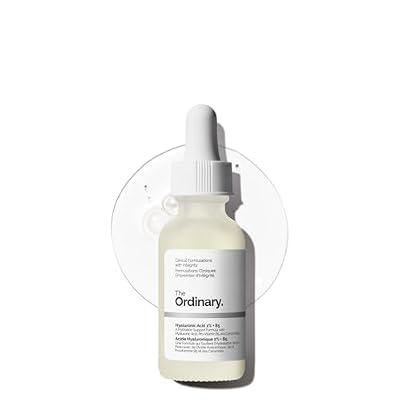
Serum side: The Ordinary Hyaluronic Acid 2% + B5
Specs
- Key ingredients: hyaluronic acid 2% (multiple forms), panthenol (provitamin B5), ceramides
- Fragrance: fragrance-free
- Size: 1 fl oz (30 ml) dropper bottle
- Texture: lightweight, slightly viscous water-based serum
The minimalist serum pick. The B5 here is a supporting humectant inside a hyaluronic acid formula rather than the headline act, and the current version adds ceramides — a small structural bonus serums usually leave to creams. It is fragrance-free, layers under everything, and suits the serum use case exactly: boosting water content in the skin without changing the moisturizer you already like. Applied to damp skin and sealed promptly, it does the hydration half of the barrier job well; the lipid half still belongs to your cream.
Usage and Buying Notes
Apply a panthenol serum to slightly damp skin, then follow with moisturizer within a minute or two — a humectant left unsealed in dry air can pull water the wrong way and leave skin feeling tighter. A panthenol cream can be the final step on its own. Both formats play well with retinoids and exfoliating acids, and a B5 layer is a common way to make a strong routine more tolerable: serum before the active, cream after it, on nights your skin feels reactive.
Buy the format that fills a gap rather than doubling one. If your shelf already holds a good ceramide moisturizer, a serum adds more than a second cream would. If your routine is serum-heavy and your skin still flakes by afternoon, the cream is the missing seal. Give any pick two to three weeks of consistent use before judging — hydration gains show quickly, but comfort through a full skin cycle takes longer. And patch test first: panthenol intolerance is rare, but “rare” is not “never.”
FAQ
Q: Can I use a panthenol serum and a panthenol cream together?
Yes — serum first, cream over it. That pairing is the fullest version of what panthenol offers: the serum loads water into the surface layers and the cream’s lipids slow its escape. Most useful at night or in winter; in humid weather one format is usually enough.
Q: Is a higher panthenol percentage always better?
No. Most research uses about 1–5%, and benefits level off beyond that range while stickiness keeps rising. A well-formulated 5% cream will outperform a gloopy 20% one for most people; choose very high percentages for texture and night use, not as proof of strength.
Q: Does panthenol repair a damaged skin barrier by itself?
Not by itself. Panthenol holds water and improves comfort, but the barrier’s structure is rebuilt from ceramides, cholesterol, and fatty acids. That is why the strongest picks here pair B5 with ceramides or a real oil phase, and why a plain serum should be sealed with a proper moisturizer.
Q: Can panthenol help after sunburn or a cosmetic procedure?
It can support comfort on intact, mildly stressed skin, and gentle B5 products are commonly used that way. But a real burn, blistering, or an open wound is medical territory — a cosmetic cream is not treatment, and those situations call for a pharmacist or doctor.
Q: Which format is better for oily, acne-prone skin?
Usually the serum, or a light gel-cream like the PURITO above. Panthenol itself is non-greasy and well tolerated, but rich balm bases can clog pores on acne-prone skin. Whichever format you try, patch test on a small area for several days first.
Conclusion
Cream versus serum is not a contest between a strong and a weak panthenol — it is a choice between delivery systems. The cream hydrates and seals in one step, carries the higher percentages, and serves dry or stressed skin best; Cicaplast Baume B5 remains the reference point, with PURITO’s lighter 10% gel-cream for combination skin. The serum is the flexible layer: Hyalu B5 or The Ordinary’s HA 2% + B5 slips under the moisturizer you already own and suits oily skin and humid climates. Pick by the gap in your routine, keep expectations at hydration and comfort, and let ceramides and lipids do the structural work alongside the B5.