Last updated: September 27, 2026
The Omnilux Contour Face is a flexible silicone LED mask that molds to the face instead of hovering over it like a rigid shell. Omnilux has a long history in professional LED panels used in clinics, and the Contour is the brand’s at-home take. It sits in the premium tier (often $350–450, check current pricing and sales), so buyers expect it to deliver more than a novelty glow. Here is what it does, who it suits, and how to use it well.
What the mask uses
According to the brand, the Contour Face combines red light at around 633 nm with near-infrared light at around 830 nm. Red light acts in the upper layers of skin and is associated with calming inflammation and supporting collagen; near-infrared penetrates deeper and is often paired with red in clinical protocols. The mask is designed for a roughly ten-minute session and is marketed as FDA-cleared for wrinkle reduction, a clearance that concerns safety and intended use rather than a promise of dramatic change.

Environ Omnilux Contour FACE
Included for 'Omnilux Contour Face LED Mask Review: Does It Actually Work?' as a relevant option in this category; details come from the product listing.
View on Amazon
CurrentBody Red Light Therapy LED Face Mask: Series 2
Included for 'Omnilux Contour Face LED Mask Review: Does It Actually Work?' as a relevant option in this category; details come from the product listing.
View on Amazon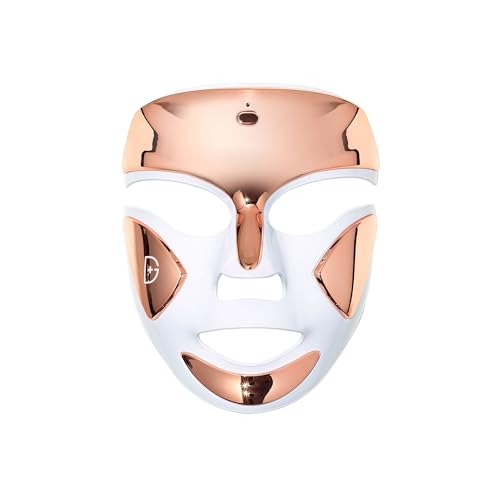
Dr Dennis Gross DRx SpectraLite FaceWare Pro 3-Minute LED Device
Included for 'Omnilux Contour Face LED Mask Review: Does It Actually Work?' as a relevant option in this category; details come from the product listing.
View on AmazonWhy flexibility matters
Light intensity falls off quickly with distance. A mask that sits flush against the forehead, cheeks and jaw delivers more consistent exposure across the face than one that sits a few centimeters away in places. The trade-off is that a close-fitting silicone mask can feel warmer and more enclosed, and it may fit some face shapes better than others.
What results look like
| Timeframe | Typical feedback with 3–5 sessions/week |
|---|---|
| 2–4 weeks | Calmer redness, skin feels more even |
| 6–8 weeks | Improved glow and smoother texture |
| 10–12 weeks | Fine lines may look softer, especially around eyes and forehead |
| After stopping | Gains fade gradually; maintenance use recommended |
The Contour Face is focused on anti-aging and redness rather than acne; it does not include blue light. If breakouts are your main concern, a mask with a blue mode is a better fit.
Who it suits
It suits people in their 30s and beyond who want a gradual improvement in fine lines, texture and overall tone without downtime. It is also popular with people who have sensitive or redness-prone skin because red and near-infrared light are gentle and do not exfoliate. It is less suited to acne-focused users and to anyone who dislikes the sensation of a mask pressed against the face.
Who should talk to a doctor first
If you take photosensitizing medications, have a history of light-sensitive conditions, have eye disease, or are pregnant, speak with a healthcare provider before starting. If you have melasma, ask a dermatologist about any light-based device, since heat and light can sometimes aggravate pigment.
How to use it properly
Start with clean, dry skin and no sunscreen, makeup or thick creams, which can block light. Position the mask evenly and secure the straps. Run a full session according to the manual, usually around ten minutes, three to five times a week. Afterwards, apply your serums and moisturizer; skin often feels receptive and calm. Clean the inside of the mask with a gentle wipe as the manual directs, since silicone in contact with skin collects oil.
Pairing with actives
LED plays well with retinoids, peptides and hydrating serums. Many people use the mask before a nighttime retinoid. If you are on strong exfoliating acids, give skin a gentle night or two after heavy exfoliation before an LED session to avoid stacking irritation.
Value compared with alternatives
Cheaper LED masks exist, often under $150, but many do not publish their wavelengths, irradiance or testing. What you pay for with Omnilux is brand track record in professional LED, published wavelengths and the flexible fit. If you want red light and value transparency, it is a reasonable premium. If you mainly want blue light for breakouts, look elsewhere.
FAQ
How often should I use the Omnilux Contour Face?
Most routines use it three to five times a week for about ten minutes. Consistency over 8–12 weeks matters more than long sessions.
Can it treat acne?
It is not designed for acne since it lacks blue light, though red light can help calm redness around healing spots. For active acne, pair proven treatments with a dermatologist’s advice.
Bottom line
The Omnilux Contour Face works as a well-specified red and near-infrared mask with a close, flexible fit that helps deliver consistent light. Expect gradual improvements in tone, redness and fine lines over two to three months of regular sessions. It is worth it for anti-aging and sensitive-skin users who will stick with it; acne-focused buyers should choose a mask with blue light.