Last updated: September 27, 2026
- Why Skincare Is a Risky Gift in the First Place
- K-Beauty Gift Sets for Sensitive Skin: What Is Safe, What Needs a Question
- How to Read an INCI List Without Being a Chemist
- Why a Full-Size Active Is the Worst Version of a Nice Gesture
- The Discovery-Set Approach
- Budget Tiers That Actually Hold Up
- Buy the Return, Not Just the Product
- Patch Testing, and When Gifts Stop Being the Answer
- Frequently Asked Questions
Buy the boring half of the routine. For someone whose skin reacts easily, the safe gifts are fragrance-free cleansers, simple moisturisers, sheet masks, lip balm and tools — things that support the skin barrier rather than change it. Leave retinoids, strong acids and high-fragrance sets alone, and keep the gift receipt.
Skincare is one of the few gift categories where a thoughtful purchase can cause the recipient a bad week. A scarf that misses is just a scarf in a drawer. A set with a strong acid toner and a heavily perfumed cream can leave someone stinging and flushed for days — and then feeling obliged to thank you for it.
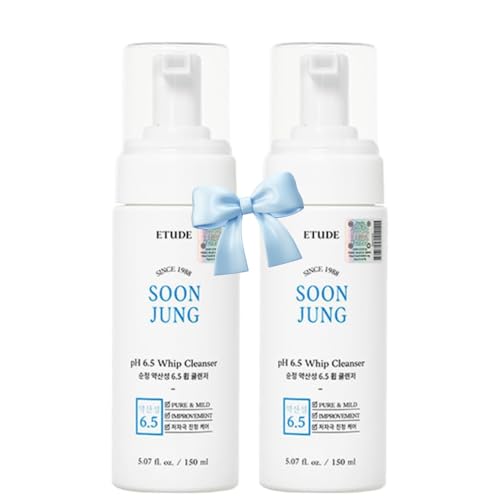
ETUDE SoonJung pH 6.5 Whip Cleanser Duo Set| Mild Micro Foaming Face Wash for Sensitive Skin, Panthenol, Madecassoside for Soothing, Barrier Repair, Vegan Certified, Non-comedogenic, 10.14 Fl Oz
Included for 'K-Beauty Gift Sets for Sensitive Skin: How to Buy Without Guessing' because the listing specifies Mild Micro Foaming Face Wash for Sensitive Skin and Panthenol, details this guide uses to compare options.
View on Amazon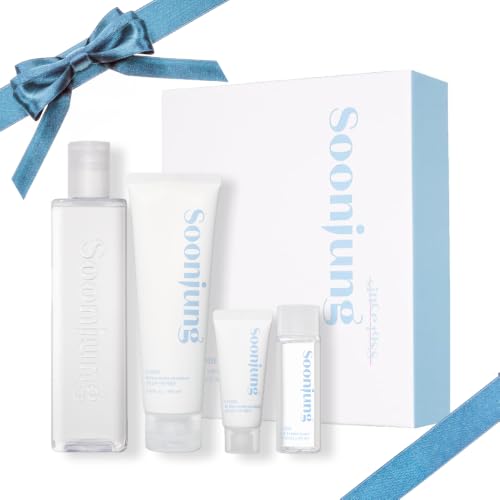
ETUDE SoonJung Korean Toner and Face Emulsion Skin Care Set
Included for 'K-Beauty Gift Sets for Sensitive Skin: How to Buy Without Guessing' as a relevant option in this category; details come from the product listing.
View on Amazon
ETUDE SoonJung pH 6.5 Whip Cleanser & 2x Barrier Repair Cream Skincare Set
Included for 'K-Beauty Gift Sets for Sensitive Skin: How to Buy Without Guessing' as a relevant option in this category; details come from the product listing.
View on Amazon
ETUDE SoonJung 2x Barrier Intensive Cream (Rich Cream & Toner)
Included for 'K-Beauty Gift Sets for Sensitive Skin: How to Buy Without Guessing' as a relevant option in this category; details come from the product listing.
View on AmazonQuick answer: Our top pick in 2026 is the Fragrance-free gel or cream cleanser — our #1 rated choice. See the full ranked comparison, alternatives and buying advice below.
Why Skincare Is a Risky Gift in the First Place
Two things in a formula do most of the damage: actives and fragrance. Actives — retinoids, exfoliating acids, high-percentage vitamin C — work by prompting a change in the skin, and change is exactly what easily-irritated skin handles badly. Fragrance, synthetic or “natural” essential oil, is among the most common causes of contact reactions in cosmetics, which is why fragrance-free formulas dominate the sensitive-skin shelf.
The second risk is subtler. Someone with reactive skin has usually spent a long time arriving at a routine that finally behaves. A new active does not just risk a reaction — it destroys their ability to tell what caused it. If they break out two days later, was it your serum or the sunscreen they started last week?
Korean beauty is, on balance, friendlier here than most categories: the market leans hydration-first, with a long tradition of barrier-support ingredients like ceramides, panthenol, centella asiatica and mugwort. But “K-beauty” is a country of origin, not a safety rating. Korean brands also sell strong AHA peels and heavily perfumed sets, and those are just as risky as anyone else’s.
K-Beauty Gift Sets for Sensitive Skin: What Is Safe, What Needs a Question
The useful mental model is three buckets: safe to buy blind, fine only if you know one specific fact about the person, and never a surprise.
| Category | Verdict | Why |
|---|---|---|
| Fragrance-free gel or cream cleanser | Safe to gift | Short contact time, rinsed off, low active load. Hard to get badly wrong. |
| Simple moisturiser (ceramides, glycerin, panthenol) | Safe to gift | Barrier support is what reactive skin actually wants more of. |
| Sheet masks, hydrating only | Safe to gift | Single-use, low commitment, and a bad one costs 20 minutes not a whole bottle. |
| Lip balm and hand cream | Safe to gift | Off the face entirely. Pick unscented versions anyway. |
| Tools: facial steamer, headband, silk pillowcase, cleansing bowl | Safe to gift | No ingredients at all, so nothing to react to. |
| Mineral (zinc oxide) sunscreen | Safe to gift | Widely tolerated, but texture and cast are personal — see the caveat below. |
| Cleansing oil or balm | Ask first | Depends whether they double-cleanse and whether they wear much makeup. |
| Toners and essences | Ask first | Fine if hydrating, risky if they contain acids or alcohol high in the list. |
| Niacinamide or peptide serums | Ask first | Usually gentle, but still an active step someone may already duplicate. |
| Retinol, retinal, tretinoin-adjacent products | Avoid | Predictably irritating during adjustment. Never a surprise purchase. |
| AHA/BHA/PHA exfoliants above a mild level | Avoid | Easy to over-use, and stacking them with an existing routine is the classic mistake. |
| High-percentage L-ascorbic acid vitamin C | Avoid | Low pH by design; stings plenty of people who are not otherwise sensitive. |
| Anything marketed on its scent, or with essential oils high in the list | Avoid | Fragrance is the single most common irritant in the category. |
The sunscreen caveat is worth stating plainly: mineral sunscreen is a low-risk formula but a high-preference product. Cast, finish and how it sits under makeup are exactly what people are fussy about, so it is a good gift for someone who has complained about not finding one and a mediocre gift for someone who has not. Our notes on choosing a Korean sunscreen cover the finish differences.
How to Read an INCI List Without Being a Chemist
Cosmetics sold in the US and EU list ingredients by INCI name in descending order of concentration down to one percent, after which order is arbitrary. You do not need to understand the whole list — just scan for four things, which takes about a minute in the aisle.
- Fragrance. Parfum, Fragrance or Aroma, plus the EU allergen names that often follow — limonene, linalool, citronellol, geraniol, eugenol, coumarin — and essential oils listed as a plant name plus “Oil”: lavender, tea tree, peppermint, citrus. “Unscented” is a marketing word; “fragrance-free” with no parfum in the list is the real thing.
- Actives, and where they sit. Retinol, retinal, adapalene, glycolic, lactic, mandelic and salicylic acid, ascorbic acid. If any appear in the first third of the list, this is a treatment product, not a gift.
- Alcohol high in the list. Alcohol Denat. or SD Alcohol in the first few ingredients gives a fast-drying finish some reactive skin dislikes. Fatty alcohols — cetyl, stearyl, cetearyl — are different things entirely and are fine.
- Barrier ingredients, as a positive signal. Ceramides, glycerin, panthenol, squalane, centella asiatica, madecassoside, allantoin, hyaluronic acid. A list where these dominate and nothing from point 2 appears is about as safe as a blind buy gets.
One honest limitation: formulations change without the packaging changing much, and regional versions of the same product can differ. Anything you read in a guide, this one included, is a starting point. Check the current label on the box in front of you.
Why a Full-Size Active Is the Worst Version of a Nice Gesture
Spending more makes this worse, not better. A 50ml bottle of a serious active is a bigger purchase, a bigger obligation and a bigger waste if the first application goes badly. It also arrives with an implied instruction to use it daily for months — precisely the commitment you cannot make on someone else’s behalf.
Size is the lever you control. A 15ml trial size of the same product says “try this if you like” instead of “I have decided your routine.” If you want to spend more, spend it on quantity of low-risk items or on a tool, not a larger bottle of something stronger — the same logic that makes travel-size minis a better first purchase than a full bottle.
The Discovery-Set Approach
Discovery sets — brand kits of four to seven miniatures, usually a cleanser, toner, essence and moisturiser — solve the gifting problem better than any single product. The recipient tries small sizes, keeps what suits them and passes on the rest without guilt. Nobody is stuck with 200ml of something that stings.
Choose a set built around hydration rather than “brightening” or “anti-ageing”, since those two claims are usually delivered by actives. Check the set’s own ingredient lists rather than assuming a brand’s sensitive line covers every item in the box, and prefer sets whose miniatures are recognisable products from the main range, so a hit is repeatable.
Sheet masks work the same way in single-use form, which is why a well-chosen box of ten is an underrated gift; our guide to picking sheet masks covers what to look for on the pouch. Miniatures paired with one nice non-skincare item read as more generous than a single expensive bottle, at a fraction of the risk.
Budget Tiers That Actually Hold Up
| Budget | Best use of the money | What to skip at this tier |
|---|---|---|
| Under $25 | A box of hydrating sheet masks, an unscented lip balm, or a headband and hand cream together. | Single small serums — too small to be a gift, too active to be safe. |
| $25-$50 | A fragrance-free cleanser plus moisturiser pair, or a brand discovery set of miniatures. | Anything sold on a “results in 4 weeks” claim. |
| $50-$100 | A discovery set plus a tool: facial steamer, silk pillowcase, or a good cleansing cloth set. | Full-size actives, no matter how well reviewed. |
| $100+ | Split it. One quality barrier moisturiser, one tool, one consumable — and a gift receipt. | One expensive bottle. Concentrating the spend concentrates the risk. |
Notice the pattern: as budget rises, the right answer is more items rather than stronger items — the opposite of how most gift guides scale, and the single most useful rule here. Our barrier moisturiser comparison is a reasonable anchor product for the middle tiers.
Buy the Return, Not Just the Product
Half of buying well is buying somewhere that lets the gift be wrong. Beauty return rules are stricter than most categories and vary by retailer, so check before you pay.
- Ask for a gift receipt every time. It usually allows an exchange or credit without revealing what you paid — the difference between a graceful swap and an awkward conversation.
- Check the unopened-return window. Most retailers accept unopened, unused products within a stated period; some large beauty chains also take lightly used returns, and some marketplace sellers accept neither.
- Keep the outer packaging intact. Do not helpfully strip cellophane or boxes before wrapping — for sealed cosmetics that seal is often what makes a return possible.
- Buy from the brand or an authorised retailer. Grey-market skincare turns up cheap on marketplaces with uncertain storage history and no returns worth the name.
None of this is pessimism. It is what makes the gift low-pressure: if the recipient can quietly exchange something, they can be honest with you about what works.
Patch Testing, and When Gifts Stop Being the Answer
Suggest a patch test rather than assuming one. The usual approach is a small amount on an inconspicuous area — inner forearm, or along the jaw — once daily for several days before putting a new product over the whole face. Saying so in the card takes one line and removes any pressure to use the gift immediately.
There is a limit to what a gift guide can fix. If someone’s skin reacts frequently, reacts to products most people tolerate, or reacts badly to something — persistent stinging, swelling, spreading rash, anything painful — that is a reason to see a dermatologist, not a reason to keep trying different products. A professional can identify what is going on and, where relevant, test for specific contact allergies. Buying someone a gentler cream is not a way of treating a skin condition.
Holiday season is when most of these sets appear, and it is a fine time to buy one: limited-edition packaging is often the regular formula in a nicer box. Just apply the same three buckets you would in March. What makes a skincare gift land is not the season or the price — it is that the person’s skin does not have to negotiate with it. Our walkthrough of a basic routine order and our fragrance-free product notes will tell you where a new item would slot in before you buy it.
Frequently Asked Questions
Is K-beauty automatically better for sensitive skin?
No. Korean skincare as a category leans toward hydration and barrier support, with common use of ingredients like ceramides, panthenol and centella asiatica, which is helpful. But “K-beauty” describes where a product comes from, not how gentle it is. Korean brands also sell high-strength acid peels, strong retinoids and heavily perfumed products. Read the individual ingredient list rather than trusting the category label.
What is the single safest K-beauty gift if I know nothing about their routine?
A box of plain hydrating sheet masks, or a fragrance-free barrier moisturiser in a modest size. Both are low-commitment, widely tolerated and easy to work into an existing routine without disrupting it. If you would rather avoid formulas entirely, a tool is completely risk-free: a facial steamer, a silk pillowcase, a spa headband or a set of soft cleansing cloths has no ingredients to react to at all.
Should I avoid fragrance entirely, or is a little fine?
For a gift, avoid it. Fragrance is among the most common causes of contact reactions in cosmetics, and you cannot know which specific compounds a given person has trouble with. Look for “fragrance-free” with no parfum, fragrance or aroma in the ingredient list, and scan for essential oils and the common EU allergen names such as limonene, linalool and geraniol, which appear near the end of many lists.
Are sample and discovery sets actually a good gift, or do they look cheap?
They are one of the better options and do not have to look cheap, especially paired with a nice tool or a card explaining the thinking. Miniatures let the recipient patch test, find the one item that suits them and discard the rest without wasting a full bottle. For reactive skin that flexibility is worth more than a single large product, and it makes their next full-size purchase an informed one.
What do I do if the gift I bought irritates their skin?
Tell them plainly that you will not be offended if they stop using it, and that the gift receipt is in the box. If a product causes stinging, redness, swelling or a rash, the sensible response is to stop using it and let the skin settle with a simple routine. If the reaction is severe, painful, spreading, or keeps happening across different products, that is a reason to see a dermatologist rather than to try another product.
Ready to decide? Our #1 pick for 2026 is the Fragrance-free gel or cream cleanser.
Live price & availability on Amazon.