TL;DR: Korean melasma serums combine multiple low-irritation brightening actives — tranexamic acid, niacinamide, kojic acid, arbutin, and ascorbic acid derivatives — to interrupt pigmentation at 3–5 distinct biochemical nodes simultaneously, achieving results comparable to prescription hydroquinone without the epidermal toxicity risk.
Korean Melasma Serum: Multi-Target Pigmentation Science for Stubborn Discoloration
Melasma is not a simple pigmentation excess — it is a complex, hormonally-influenced condition involving aberrant melanocyte activation, increased vascularization, disrupted basement membrane integrity, and a disordered local inflammatory environment. This complexity is why single-active approaches (hydroquinone alone, for example) have high relapse rates and why Korean melasma serums have attracted significant clinical interest: they apply multi-active formulation strategies that interrupt melanogenesis at several biochemical points simultaneously, mimicking the additive efficacy of combination prescription regimens without requiring prescription access. This guide deconstructs the INCI science behind the most effective Korean melasma serums on the market.
As an Amazon Associate we earn from qualifying purchases at no extra cost to you.


🛒 Best Price Today on Amazon
Prime members get fast, free shipping on everything above, plus member-only deals. New members get a 30-day free trial — cancel anytime.
Start 30-Day Prime Free Trial →See Today’s Amazon DealsThe 5-Node Model: How Korean Melasma Serums Target Pigmentation
Effective Korean melasma serums address pigmentation through five distinct mechanistic nodes:
- Node 1 — Tyrosinase inhibition: Tyrosinase is the rate-limiting enzyme in melanin synthesis. Korean serums deploy multiple tyrosinase inhibitors with different binding affinities: kojic acid (competitive inhibitor via copper chelation), arbutin/deoxyarbutin (competitive substrate analog), and vitamin C derivatives (ascorbyl glucoside, 3-O-ethyl ascorbic acid — both inhibit DOPA oxidation at the tyrosinase active site). Stacking three inhibitors with different binding modes prevents competitive displacement that reduces single-agent efficacy.
- Node 2 — Plasmin-mediated vascular pathway (Tranexamic Acid): Tranexamic acid (TXA) is the most significant Korean melasma innovation. TXA inhibits plasminogen activator in keratinocytes, blocking the release of arachidonic acid that drives the prostaglandin-melanocyte signaling axis. Additionally, TXA reduces the neovascularization (increased dermal vascularity) that characterizes melasma lesions histologically. TXA at 2–5% topical concentration equals 1.5–2.5% hydroquinone efficacy in randomized controlled trials with superior tolerability.
- Node 3 — Melanosome transfer inhibition (Niacinamide): Niacinamide (3–10%) does not inhibit melanin synthesis — it prevents formed melanosomes from transferring from melanocytes to surrounding keratinocytes via PAR-2 receptor modulation. This disrupts the delivery pathway rather than production, producing visible brightening within 4–8 weeks.
- Node 4 — Inflammation and UV-stress signaling (Antioxidants): UV exposure activates the melanocortin-1 receptor (MC1R) and upregulates MITF (melanocyte-inducing transcription factor). Korean serums incorporate EGCG (green tea catechin), resveratrol, or ferulic acid to quench the reactive oxygen species that trigger this signaling cascade, providing “upstream” melanogenesis suppression.
- Node 5 — Accelerated melanosome clearance (Exfoliant actives): Melanin packaged in melanosomes is cleared with the stratum corneum. Gentle AHA and PHA co-formulation (glycolic acid 3–5%, gluconolactone 3–5%) accelerates corneocyte shedding, shortening the time pigment-laden cells remain visible at the skin surface.
Top 3 Korean Melasma Serums


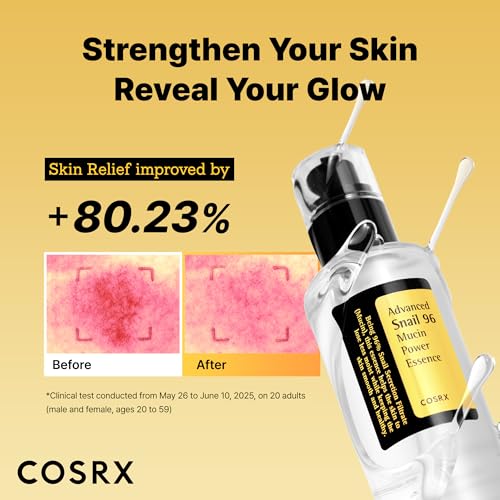


As an Amazon Associate we earn from qualifying purchases. Product prices and availability are accurate as of the date/time indicated.





As an Amazon Associate we earn from qualifying purchases. Product prices and availability are accurate as of the date/time indicated.
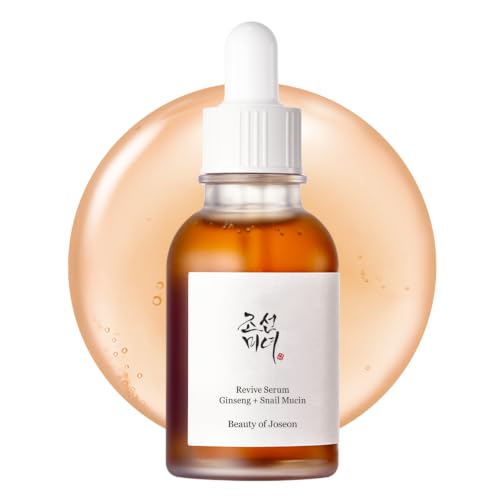





As an Amazon Associate we earn from qualifying purchases. Product prices and availability are accurate as of the date/time indicated.
INCI & Formulation Specs
| Active / Parameter | Optimal Concentration / Detail |
|---|---|
| Tranexamic Acid (TXA) | 2–5% (topical); water-soluble; stable across pH 4.5–7.0 |
| Niacinamide | 5–10%; avoid combining with >10% vitamin C (temporary flush risk) |
| Kojic Acid | 0.5–2%; unstable in light; look for stabilized kojic dipalmitate |
| Arbutin / Deoxyarbutin | 2–7% arbutin; 0.5–1% deoxyarbutin (higher potency) |
| Ascorbic acid derivative | 3-O-Ethyl Ascorbic Acid 2–3% or Ascorbyl Glucoside 2–5% |
| Exfoliant co-actives | Glycolic Acid 3–5% or Gluconolactone 3–5% (gentler PHA) |
| Formulation pH | 4.5–5.5 (optimizes TXA and vitamin C derivative stability) |
| Texture | Watery serum or lightweight emulsion; avoid heavy occlusion pre-SPF application |
Morning vs Night Protocol for Korean Melasma Serums
Protocol adherence is critical for melasma — UV exposure even through windows can counteract a full night of active treatment:
- AM protocol: Cleanser → TXA/niacinamide serum → SPF 50+ PA++++ (mineral preferred; zinc oxide provides additional anti-estrogen receptor blocking benefit at the dermal level). No exfoliant actives in AM — photosensitivity risk.
- PM protocol: Double cleanse → full multi-active serum (TXA + kojic + arbutin + vitamin C derivative + gentle AHA) → overnight sleeping mask or moisturizer with ceramides to seal. Add retinol 3–4× weekly to further accelerate melanosome turnover — apply 30 min after brightening serum.
- SPF is non-negotiable: Studies show that melasma patients using brightening actives without SPF see zero net improvement — UV re-stimulates MITF-driven melanogenesis faster than topical actives can suppress it.
For the foundational role of vitamin C in Korean brightening routines, see our tranexamic acid pigmentation guide, and for a detailed breakdown of kojic acid’s tyrosinase mechanism, our kojic acid lightening guide covers optimal concentration and stability considerations. Our arbutin pigmentation guide provides a head-to-head comparison of alpha-arbutin, beta-arbutin, and deoxyarbutin for selecting the right analog for your melasma severity.
Frequently Asked Questions
How long does it take for a Korean melasma serum to show results?
Expect 8–12 weeks for clinically meaningful improvement. The first 4 weeks suppress active melanogenesis — you may not see visible change yet. Weeks 4–8 produce surface brightening as pigment-laden corneocytes shed. Weeks 8–12 show reduction in lesion darkness as deeper epidermal pigment reaches the surface and clears. Melasma requires 6+ months of consistent treatment for near-complete remission, with ongoing maintenance to prevent relapse after UV or hormonal triggers.
Is tranexamic acid safe for all skin tones in Korean melasma serums?
Yes — TXA is phototype-agnostic in safety profile and is the preferred melasma active for Fitzpatrick types IV–VI, where hydroquinone carries risks of paradoxical hyperpigmentation (ochronosis) with prolonged use. Korean dermatological studies on Asian skin types (predominantly Fitzpatrick III–V) have validated TXA’s efficacy and safety across the full melanin density spectrum.
Can I use a Korean melasma serum during pregnancy?
Most melasma brightening actives have insufficient gestational safety data. Niacinamide (B3) is generally considered safe in cosmetic concentrations. Tranexamic acid systemic safety in pregnancy is studied only in oral/IV form for hemorrhage management — topical absorption data is sparse. Kojic acid, arbutin, and vitamin C derivatives lack gestational studies. Discuss with your OB-GYN before using any multi-active brightening serum during pregnancy. Melasma induced by pregnancy (chloasma gravidarum) frequently resolves postpartum without treatment.
Does Korean melasma serum work on post-inflammatory hyperpigmentation (PIH) as well?
Yes, and often faster than true melasma. PIH is driven by melanocyte stimulation from resolved inflammatory lesions (acne, eczema, wounds) without the hormonal and vascular components of melasma. The same multi-active approach works effectively on PIH, typically producing visible results in 6–8 weeks rather than 12+. The AHA/PHA exfoliant node is particularly effective for PIH in the superficial epidermal layer.
Should I stop using a Korean melasma serum in summer?
Do not stop — but adjust your protocol. Use SPF 50+ PA++++ daily regardless of weather, wear a wide-brim hat in direct sun, and avoid peak UV hours (10am–4pm). Some practitioners recommend reducing exfoliant actives (AHA/PHA) to 2–3× weekly in high-UV months to minimize photosensitivity while maintaining the full tyrosinase-inhibition and TXA stack. Stopping brightening actives in summer removes the protective melanogenesis-suppression precisely when UV stimulus is strongest — counterproductive for melasma management.
Related K-Beauty Guides
- Vegamour GRO Hair Serum Review 2026: Does It Actually Work?
- Niacinamide Serum: Benefits, How to Use, and the Best…
- COSRX Snail Mucin 96 vs 100: What Is the Actual Difference?
- Best Peptide Serums for Anti-Aging 2026
- REJURAN Turnover Ampoule Review
- MEDITHERAPY Retinal Skin Booster Serum 150ml Review
- haruharu Wonder Black Rice NAD+ Serum Mist Review