- Top Pick: TOSOWOONG Arbutin 7% + Tranexamic Acid 4% Cream for Dark Spots, Brightening
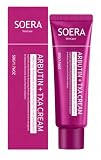
- Best Value: Official SOERA Korean Brightening Cream, Arbutin And Tranexamic Acid Facial Cream For Uneven Skin Tone And Dark Spot Appearance Care For Daily Skincare Routine
- Premium Choice: Anua Niacinamide 10 + TXA 4 Serum, Korean Skincare, 1.01 fl.oz
TL;DR: Alpha-arbutin is a glycosylated hydroquinone that inhibits tyrosinase via competitive substrate binding — with none of hydroquinone’s cytotoxicity or regulatory restrictions. Korean arbutin skincare typically uses alpha-arbutin at 1–2% (significantly more potent per weight than beta-arbutin) for PIH, sun spots, and overall skin tone evenness.
- Top Korean Arbutin Skincare Products
- Alpha vs Beta Arbutin: Why the Isomer Distinction Matters
- The Hydroquinone Question: Is Arbutin Actually Safe?
- INCI & Specification Reference Table
- Best Combinations for Korean Arbutin Pigmentation Routines
- Selecting Quality Korean Alpha-Arbutin Products
- FAQ
- Frequently Asked Questions
Korean Arbutin Skincare for Pigmentation: Alpha vs Beta, INCI Science, and Best Picks
Arbutin is the brightening active that most Korean dermatologists recommend when patients ask for “something like hydroquinone but safer.” That framing, while popular, understates arbutin’s own complexity — there are two isomers with meaningfully different potencies, the mechanism is well-characterized but concentration-dependent, and Korean formulations have led global innovation in combining arbutin with complementary actives. Here’s what the INCI science actually tells you.
As an Amazon Associate we earn from qualifying purchases at no extra cost to you.



Top Korean Arbutin Skincare Products




As an Amazon Associate we earn from qualifying purchases. Product prices and availability are accurate as of the date/time indicated.
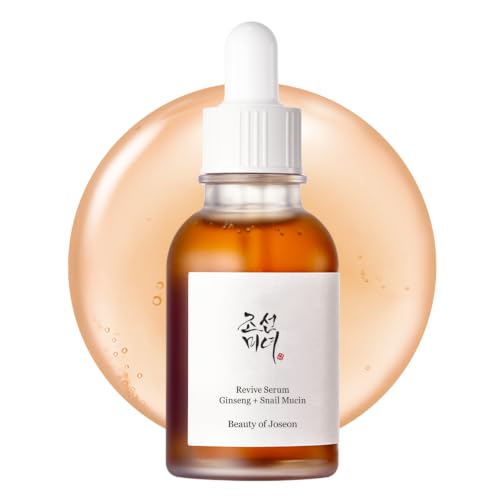




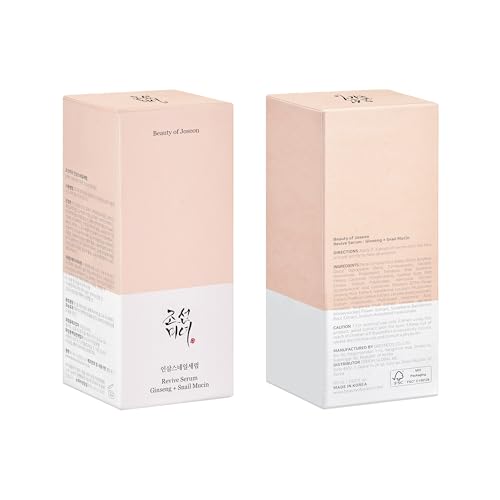
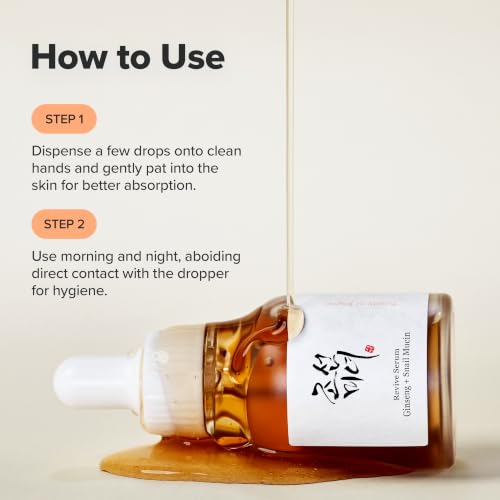

As an Amazon Associate we earn from qualifying purchases. Product prices and availability are accurate as of the date/time indicated.


As an Amazon Associate we earn from qualifying purchases. Product prices and availability are accurate as of the date/time indicated.
Alpha vs Beta Arbutin: Why the Isomer Distinction Matters
Both alpha-arbutin and beta-arbutin are 4-hydroxyphenyl-D-glucopyranoside — hydroquinone bonded to a glucose molecule via a glycosidic linkage. The distinction is the stereochemistry of that linkage: alpha (α) vs. beta (β). This seemingly minor structural difference produces a 10-fold difference in tyrosinase inhibition potency.
Alpha-arbutin (INCI: Alpha-Arbutin) inhibits tyrosinase at 1% concentration with activity equivalent to beta-arbutin at approximately 10%. This has direct formulation implications: Korean products listing “Alpha-Arbutin” at 1–2% are delivering clinically meaningful tyrosinase inhibition. Products listing only “Arbutin” (which defaults to beta-arbutin) require higher concentrations — typically 5–7% — for comparable efficacy, which increases formula cost and the theoretical risk of slow hydrolysis back to free hydroquinone.
In practice, quality Korean brightening serums specify alpha-arbutin clearly in both the INCI list and the product description. If a K-beauty product simply says “arbutin” without the alpha designation, assume it is beta-arbutin and evaluate concentration accordingly.
The Hydroquinone Question: Is Arbutin Actually Safe?
Arbutin’s safety profile rests on the stability of its glycosidic bond. Intact, arbutin is pharmacologically inert toward melanocytes — it is the released hydroquinone after enzymatic hydrolysis that inhibits tyrosinase. The question is: how much free hydroquinone is generated in skin?
Studies measuring hydroquinone release from topical arbutin show very low hydrolysis rates in intact skin at cosmetic concentrations. The primary hydrolytic enzyme (beta-glucosidase) has limited activity in the viable epidermis at physiological pH. Free hydroquinone generation from alpha-arbutin 1–2% is well below the concentration threshold for melanocyte toxicity. The EU has reviewed this data and permits alpha-arbutin at 2% (face) and 0.5% (body) in leave-on products — a regulatory endorsement of its safety margin.
Korean regulatory guidance is less restrictive, which is why some Korean formulations exceed EU limits. For most users, this is not a practical safety concern, but those with known sensitivity to hydroquinone should perform a patch test before committing to daily use.
INCI & Specification Reference Table
| Parameter | Detail |
|---|---|
| INCI Name | Alpha-Arbutin (preferred); Arbutin (beta isomer) |
| CAS (Alpha-Arbutin) | 84380-01-8 |
| CAS (Beta-Arbutin) | 497-76-7 |
| Molecular Weight | 272.25 g/mol (both isomers) |
| Functional Class | Tyrosinase inhibitor, skin brightening, depigmenting |
| Efficacy Concentration | Alpha: 1–2%; Beta: 5–7% for equivalent effect |
| pH Stability | Stable at pH 3.5–6.5; hydrolysis risk above pH 7 |
| Solubility | Water-soluble; freely miscible in water |
| Mechanism | Competitive tyrosinase inhibition via substrate site occupancy; slow hydroquinone release |
| EU Leave-on Limit | Alpha: 2% face / 0.5% body; Beta: 7% face / 3% body |
| Korean Regulatory Status | Unrestricted cosmetic ingredient; higher concentrations permitted |
Best Combinations for Korean Arbutin Pigmentation Routines
Alpha-arbutin is one of the most stack-compatible brightening actives — it is water-soluble, pH-flexible, and does not interact negatively with most other skincare ingredients. Optimal combinations for a Korean arbutin pigmentation routine:
- Niacinamide (5–10%) — inhibits melanosome transfer; arbutin blocks synthesis while niacinamide blocks distribution. Highly complementary. See our Korean niacinamide serum guide.
- Tranexamic acid (2–3%) — upstream mechanism (blocks UV-induced keratinocyte-melanocyte signaling) while arbutin acts downstream at tyrosinase. Together they cover the full pigmentation cascade.
- Vitamin C derivatives (ascorbyl glucoside, ethyl ascorbic acid) — antioxidant and additional tyrosinase inhibition via copper oxidation state modulation; stable pairing with alpha-arbutin unlike L-ascorbic acid
- AHA exfoliation (lactic acid 5–10%, 2–3x/week) — removes pigmented corneocytes, accelerating clearance of existing deposits while arbutin suppresses new formation
For a complete AM/PM routine built around Korean arbutin skincare, our Korean anti-pigmentation routine provides sequencing guidance for all these actives together.
Selecting Quality Korean Alpha-Arbutin Products
Price is a reasonable proxy for arbutin quality. Alpha-arbutin is synthesized enzymatically and is significantly more expensive per gram than beta-arbutin. A serum claiming “alpha-arbutin 2%” at a very low price point warrants skepticism — either the concentration is inaccurate, or it contains the less potent beta isomer mislabeled.
K-beauty brands that publish product specification sheets or certificates of analysis (COA) are generally more reliable. Brands participating in Korea’s functional cosmetics designation system (기능성화장품) for “whitening” (미백) claims are required to substantiate ingredient concentration and efficacy — look for this certification on packaging when sourcing from Korean domestic market products. For a broader look at evaluating Korean skincare brands, see our guide to how to evaluate Korean skincare brands.
FAQ
How quickly does Korean alpha-arbutin show results for PIH?
Post-inflammatory hyperpigmentation (PIH) responds faster to topical brighteners than UV-induced pigmentation because the melanin is predominantly epidermal and the inflammatory stimulus has typically resolved. With consistent twice-daily alpha-arbutin use, visible fading of recent PIH (within 3–6 months of formation) can appear in 4–8 weeks. Older, established PIH may require 12–16 weeks. Pairing with an AHA 2–3 nights per week significantly accelerates results by removing pigmented surface cells.
Can Korean arbutin skincare be used on all skin tones?
Yes. Unlike hydroquinone, which carries risk of paradoxical hyperpigmentation and ochronosis with long-term use in darker skin tones, alpha-arbutin has no documented risk of permanent depigmentation or melanocyte damage at cosmetic concentrations. It is appropriate for Fitzpatrick types I–VI. Individuals with very deep skin tones (Fitzpatrick V–VI) may benefit from confirming the product doesn’t contain any hydroquinone in the INCI list, as some older Korean formulations combined arbutin with small amounts of hydroquinone.
Is there a difference between Korean arbutin and Western brand arbutin?
The molecule itself is identical — alpha-arbutin is alpha-arbutin regardless of brand origin. The differences lie in formulation sophistication and transparency. Korean brands tend to combine alpha-arbutin with complementary actives (fermented ingredients, centella, niacinamide) that address multiple steps in the pigmentation pathway. They also typically formulate at evidence-based pH ranges (4.5–6) and use delivery-enhancing systems. Western brands at similar price points are often less technically sophisticated in their supporting cast. At the premium tier, the gap narrows.
Should I use Korean arbutin in my morning or evening routine?
Both. Alpha-arbutin is not photosensitizing and is stable on skin under sunscreen. Morning use helps suppress any UV-triggered melanogenesis during the day (in addition to sunscreen). Evening use supports the skin’s natural repair cycle and benefits from the slight increase in cell turnover during sleep. If you must choose one application, morning is marginally more strategic for UV-triggered pigmentation; evening is better for hormonal or inflammatory PIH where UV is not the primary driver.
Can I use Korean arbutin with retinol or retinoids?
Yes — this is one of the most effective combinations for stubborn pigmentation. Retinoids accelerate cell turnover (clearing pigmented cells faster), upregulate collagen synthesis (improving overall skin texture), and have independent mild melanin-suppressing effects via retinoid receptor pathways. Alpha-arbutin inhibits new melanin formation. Apply arbutin serum first, allow absorption, then apply retinol in the PM routine. Expect increased dryness initially — buffer with a good ceramide moisturizer. See our overview of Korean retinol skincare for compatible formulations.
Frequently Asked Questions
When should I apply the Korean Arbutin Skincare for Pigmentation in my routine?
After cleansing and toner, before heavier creams. Use it consistently morning or night as directed, and always layer SPF over active serums during the day.
Can I layer this with other actives?
Introduce one active at a time and avoid clashing strong actives (like retinol with vitamin C) in the same routine to prevent irritation.
How long does a bottle last?
Most serums last one to three months with daily use. Store it away from heat and light, and replace it if the texture or colour changes noticeably.