Last updated: November 23, 2026
Tranexamic acid started life as a medicine, and it reached skincare through dermatology clinics, where oral and in-clinic forms are used for stubborn pigmentation such as melasma. Cosmetic creams are a much gentler offshoot of that research. A tranexamic acid cream will not treat or cure melasma, and no jar on this list bleaches skin or changes your natural skin tone. What a well-made cream can do, used patiently alongside daily sunscreen, is support a more even-looking complexion and soften the look of dark spots and post-blemish marks over time.
Disclosure: As an Amazon Associate, I earn from qualifying purchases.
Most of the strong evidence behind tranexamic acid comes from prescription and oral use, while topical cosmetic evidence is smaller and still growing. Even in the better topical studies, visible change is measured in months, not weeks, and pigmentation tends to creep back when sun protection stops. Melasma in particular is a medical condition driven by hormones, heat, and visible light as well as UV, so persistent or spreading patches deserve a dermatologist visit before a shopping trip. With those limits in mind, the five creams below were chosen for clearly labeled formulas, sensible partner ingredients, and textures that suit different skin types.
How to Choose
Start with the label, because tranexamic acid percentages in cosmetics are inconsistent. Some brands state an exact figure, some quote a combined parts-per-million total for several ingredients at once, and some disclose nothing at all. A stated percentage you can compare beats a vague brightening claim every time.
Next, look at the supporting cast. In most of these creams, niacinamide, arbutin, glutathione, or kojic acid do a large share of the tone-evening work, with tranexamic acid as one part of a team. Judge the whole formula rather than chasing the single highest tranexamic acid number.
Texture decides whether you will actually use the product for the months it needs. Rich balm creams suit dry skin and night use, gel-creams sit better under sunscreen and makeup on oily or combination skin, and a small targeted tube makes sense when the concern is one area, such as around the eyes. Finally, treat sunscreen as non-negotiable: it is the actual foundation of any pigment routine, and no cream compensates for skipping it.
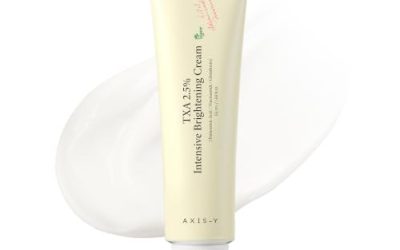
AXIS-Y TXA 2.5% Intensive Brightening Cream

Specs
- Size: 50 ml / 1.69 fl oz tube
- Tranexamic acid: 2.5%, clearly labeled
- Partner ingredients: niacinamide 2.5%, glutathione
- Support ingredients: shea butter, ceramide NP, panthenol, hyaluronic acid, centella and heartleaf extracts
- Formula notes: silicone-free, vegan formula, soft balm-like texture
AXIS-Y prints both headline percentages on the front of the tube, which makes this the easiest formula in the roundup to evaluate. The 2.5% tranexamic acid sits alongside an equal measure of niacinamide and a dose of glutathione, so the brightening workload is shared rather than resting on one ingredient. Shea butter, ceramide NP, and panthenol give the balm-like cream enough cushion for dry or reactive skin, and the silicone-free base will suit anyone who avoids that ingredient family. It works as a twice-daily moisturizer for most skin types, though oilier skin may prefer it at night.
Dr.Melaxin TX Cream

Specs
- Size: 50 ml / 1.7 fl oz
- Tranexamic acid: included in a combined 70,000 ppm figure quoted for tranexamic acid and niacinamide together
- Partner ingredient: niacinamide
- Support ingredients: ceramide NP, hyaluronic acid
- Origin: Korean skincare brand built around its TX line
Dr.Melaxin built its name on tranexamic acid, and this cream is the brand’s flagship moisturizer. One honesty note: the widely quoted 70,000 ppm figure combines the tranexamic acid and niacinamide rather than stating tranexamic acid alone, so the exact tranexamic acid percentage is not public. Read it as a combined-active cream, not a verified high-strength one. The formula rounds out with ceramide NP and hyaluronic acid for barrier support and hydration, and the texture is a conventional mid-weight cream that layers cleanly over a serum at night. Choose it if you want the TX-focused brand, but buy it for the overall formula rather than the headline number.
SKIN1004 Madagascar Centella Tone Brightening Capsule Cream

Specs
- Size: 75 ml / 2.53 fl oz, the largest tube in this roundup
- Tranexamic acid: 2% (20,000 ppm)
- Partner ingredient: niacinamide 4% (40,000 ppm)
- Support ingredients: encapsulated MadeWhite madecassoside capsules, bisabolol, squalane, shea butter, Madagascar centella base
- Texture: oil-in-water gel-cream, non-sticky finish
SKIN1004’s capsule cream is the sensitive-skin pick of the five. The centella-led base, bisabolol, and squalane keep the formula calming while the 2% tranexamic acid and 4% niacinamide handle the tone side, and the visible capsules carry an encapsulated form of madecassoside that melts in as you spread the cream. The gel-cream texture is the lightest here, which makes it the easiest to wear under sunscreen in the morning. Percentages come from retailer ingredient data rather than the jar, but they are consistent across listings. If stronger brightening creams have stung or flushed your skin in the past, this is the gentlest place to start.
TOSOWOONG Arbutin 7% + Tranexamic Acid 4% Cream

Specs
- Size: 50 ml / 1.69 fl oz
- Tranexamic acid: 4% (40,000 ppm), the highest labeled figure in this roundup
- Lead ingredient: arbutin 7% (70,000 ppm)
- Partner ingredients: niacinamide, glutathione, allantoin, adenosine
- Manufacturer: Mantong, Korea
This is the highest labeled tranexamic acid percentage in the group at 4%, but read the name carefully: arbutin, at 7%, is the lead active, and much of this cream’s tone-evening reputation rests on that pairing rather than on tranexamic acid alone. That combination is a sensible one, since arbutin and tranexamic acid approach pigmentation from different directions, and niacinamide and glutathione add further support. The ingredient list is short and readable. Pick it if you want a combined arbutin-and-TXA formula and are comfortable that the arbutin, not the TXA, is doing the heaviest lifting.
Mary&May Tranexamic Acid + Glutathione Eye Cream

Specs
- Size: 30 ml / 1.01 fl oz tube
- Tranexamic acid: 1,000 ppm (0.1%)
- Partner ingredients: glutathione 1,000 ppm, niacinamide, vitamin C (ascorbic acid)
- Support ingredients: panthenol, adenosine
- Formula notes: fragrance-free, marketed for both the eye area and spot use on the face
The Mary&May tube is the targeted option, sized and priced as an eye cream but positioned by the brand for dark circles and small areas of uneven tone anywhere on the face. Be clear-eyed about the dose: at 1,000 ppm, the tranexamic acid is present at 0.1%, a low level, and the glutathione, niacinamide, and vitamin C in the formula carry much of the brightening brief. That makes it a reasonable, gentle choice for the thin skin around the eyes, where rich high-strength creams can feel heavy or cause milia, rather than a full-face pigment strategy. The fragrance-free formula is a further plus for that delicate area.
Usage and Buying Notes
Apply a tranexamic acid cream after cleansing and any watery serums, once or twice daily. Twice-daily use over at least eight to twelve weeks is the realistic trial period; judging a pigment product after a fortnight judges it too early. In the morning, always finish with a broad-spectrum sunscreen, and reapply it during the day, because UV and visible light are the main reasons pigmentation returns. For melasma-prone skin, a tinted sunscreen with iron oxides adds visible-light coverage that standard sunscreens lack.
Introduce one new active product at a time and patch test first, especially if your skin is reactive. Tranexamic acid creams generally layer well with vitamin C in the morning and retinoids at night, but if you notice persistent stinging or flushing, scale back to once a day. Buy from the brand’s own storefront or an authorized seller where possible, since popular Korean brightening creams are frequent counterfeit targets, and check that the size and ingredient list match the official listing before you open the tube.
FAQ
How long does a tranexamic acid cream take to work?
Expect months, not weeks. Most people who see a change in the look of dark spots notice it gradually over eight to twelve weeks of consistent twice-daily use, and deeper or long-standing pigmentation takes longer. If nothing has shifted after three months of faithful use with daily sunscreen, the product is probably not the right tool for that patch.
Can a tranexamic acid cream treat melasma?
No. Melasma is a medical condition, and the strongest tranexamic acid evidence for it involves oral or prescription treatment supervised by a doctor. A cosmetic cream may support a more even-looking tone at the surface, but it does not treat or cure melasma. Persistent, symmetrical, or spreading patches should be assessed by a dermatologist, who can also rule out look-alike conditions.
Do I still need sunscreen while using a tranexamic acid cream?
Yes, absolutely. Sunscreen is the foundation of any pigment routine, and tranexamic acid results fade quickly when skin is re-exposed to UV and visible light. Apply a broad-spectrum sunscreen every morning as the last step of your routine, and consider a tinted formula with iron oxides if visible light is a known trigger for your pigmentation.
What percentage of tranexamic acid should I look for?
Cosmetic creams in this roundup range from 0.1% to 4%, and there is no established cosmetic dose that guarantees results. A clearly labeled 2% to 3% formula with solid partner ingredients such as niacinamide or arbutin is a sensible target. Treat combined ppm figures and undisclosed percentages with skepticism, and weigh the whole formula rather than one number.
Can I use a tranexamic acid cream with vitamin C or retinol?
Generally yes. Tranexamic acid is not an exfoliating acid, and it layers comfortably with vitamin C in a morning routine and with retinol at night. Introduce products one at a time so you can identify the culprit if irritation appears, and drop back to alternate nights if skin feels sensitized.
Conclusion
A tranexamic acid cream is a supporting player, not a cure: its job is to help skin look more even over months of use, on top of the sunscreen that does the protective work. For a clearly labeled everyday formula, the AXIS-Y cream is the balanced pick; for sensitive skin, the SKIN1004 gel-cream is the gentlest route; for the highest labeled TXA percentage in a combined formula, look at the TOSOWOONG; and for the eye area, the small Mary&May tube keeps doses appropriately modest. Choose the texture you will genuinely use every day, give it a full season, and let a dermatologist lead if the patches persist.