Last updated: November 23, 2026
Disclosure: As an Amazon Associate, I earn from qualifying purchases.
An illuminating primer promises glow that looks like good skin rather than obvious makeup. Sometimes it delivers: a soft sheen under foundation that keeps a base from looking flat. Sometimes it delivers sparkle sitting in pores, shine that turns to grease by lunch, or a tint that only works worn alone. The difference is rarely the brand name. It is particle size, tint, base formula, and your own skin texture and type.
This roundup covers five different products: a tinted liquid filter, a glow lotion, a sheer gel, a true tinted primer, and a brightening primer. Notes are direct about who each suits and who should skip it.
How to Choose
Shimmer is not glitter, and the difference matters
Fine shimmer and pearl pigments melt into a sheen that reads as skin. Visible glitter flecks sit on top, catch hard light, and look like sparkle rather than glow — pretty for evening, wrong for an all-over base. Product photos are usually shot worn alone in soft light, which flatters both. Under foundation, fine shimmer survives as muted glow, while glitter disappears or shows as random specks. Look for words like pearl, satin, or soft-focus rather than sparkle or glitter.
Glow magnifies texture — plan for it
Light-reflecting particles draw the eye to whatever they sit on. On smooth skin, that is cheekbones. On large pores, dry flakes, or raised texture, they settle around the edges and make texture more visible, especially in daylight. If texture is your concern, apply illuminating product only to high, smoother planes — cheekbones, brow bone — and use a plain or blurring primer in the T-zone. Or mix a drop into foundation, which dilutes the effect.
Worn alone is stronger than worn under foundation
Every product here looks more dramatic alone than under a base. A medium-coverage foundation can mute an illuminating primer by half or more. Judge a product by how you will wear it. For no-foundation glow, choose a tinted option that evens tone on its own. For glow through foundation, choose a stronger sheen than you think you need, or apply it over foundation on high points. Mixing into foundation gives the weakest, most controlled effect.
Match the formula to your skin type
Dry and normal skin can use almost any glow format. Combination skin does best with a lightweight gel or thin liquid used mainly on the cheeks. Oily skin needs restraint: illuminating primer plus dewy foundation plus natural oil is a shine pile-up by midday, not a glow. If you are oily, use a gel only where you would place highlighter, keep the T-zone matte, and set with powder. One glow product in a routine is enough.
Tint, undertone, and shade range
Tint matters as much as shimmer. Champagne or pale gold suits many light to medium tones, rose can look fresh on fair skin and ashy on deeper skin, and bronze can read as warmth on medium and deep skin or as dirt on fair skin. Check the shade against your undertone, not just depth. Sheer gel formulas avoid this problem, which is why one is included below.
The 5 Best Illuminating Primers
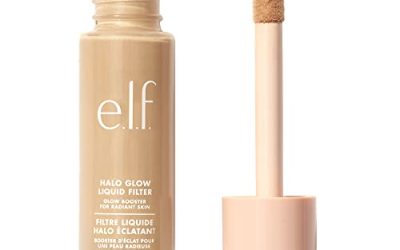
1. e.l.f. Halo Glow Liquid Filter, 2 Fair/Light — Best Tinted Glow Booster

Specs
- Shade in this listing: 2 Fair/Light; the range includes multiple shades from fair to rich
- Size: 1.06 fl oz with a large doe-foot applicator
- Key ingredients: hyaluronic acid and squalane, with finely milled powders for a soft-focus finish
- Finish: radiant, tinted, sheer-to-light coverage
- Vegan and cruelty-free
This is less a traditional primer and more a tinted glow base. Worn alone, the tint evens mild redness and the sheen is clearly visible. Under foundation it becomes a soft background glow, and dabbed over foundation it works as a gentle liquid highlight. The doe-foot makes targeted application easy: cheeks and high points, not necessarily the whole face.
It does not grip makeup like a dedicated gripping primer, and on oily skin it can shorten wear used all over. Dry to combination skin wanting one product for light-makeup days will get the most from it.
2. L’Oréal Paris True Match Lumi Glotion, 903 Medium — Best Glow Lotion

Specs
- Shade in this listing: 903 Medium; other shades include light and deep options
- Size: 1.35 fl oz tube
- Key ingredients: glycerin and shea butter in a hydrating lotion base
- Finish: sheer tinted radiance, no visible glitter flecks
- Use: alone, as a primer under foundation, mixed, as highlight, or on the body
This is the most flexible format here: a lotion you can spread over face, shoulders, or collarbones without obvious edges. The sheen is fine and even, so it reads as healthy skin rather than sparkle, and the tint is sheer enough that the medium shade works as subtle warmth rather than a color match. It layers predictably — alone for the strongest effect, under foundation for a muted version.
It adds moisture and glow but little grip or pore smoothing, so wear still depends on foundation and setting. On very oily skin, keep it to the perimeter of the face and body, where shine looks intentional.
3. Saie Glowy Super Gel, Starglow — Best Sheer Gel Illuminator

Specs
- Shade in this listing: Starglow, a sheer universal champagne; a warmer Sunglow shade is also sold
- Size: 1 fl oz pump bottle
- Key ingredients: squalane oil and vitamin C in a lightweight gel base
- Finish: sheer, wet-looking glow with no tint coverage
- Use: as a primer under makeup, mixed with foundation, or alone
This gel solves the tint problem by barely having one. Starglow is translucent champagne, so glow comes from the finish rather than pigment, and it flatters many tones without turning ashy or orange. The gel is also friendliest for combination skin: light, thin, and not rich like a lotion.
Because it is sheer, it will not even tone, blur pores, or hide redness — worn alone, skin simply looks dewier. If you need coverage, pair it with your usual base or choose a tinted option above. A little goes far; too much crosses from dewy to shiny.
4. Elizabeth Mott Thank Me Later Illuminating Face Primer — Best True Primer Format
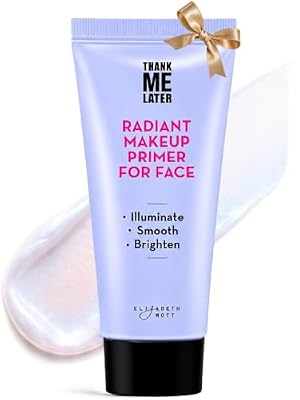
Specs
- Size: 30 g tube
- Format: tinted illuminating face primer, designed as a makeup base rather than a standalone tint
- Finish: hydrated, luminous glow with color-correcting tint
- Formula positioning: long-lasting grip-style base
- Cruelty-free
If you want a product that behaves like a primer first — thin layer, then foundation — this is the closest match. The tinted base gives a warm luminous cast and is built to sit under makeup rather than replace it. It suits normal to dry skin that likes its usual foundation but finds the finish too flat.
Check the cast before a big day: a tint that reads as glow on one undertone can read as warmth on another. Very oily skin should still powder the T-zone; this primer was not designed to control shine.
5. Milani Bright Side Brightening and Illuminating Primer — Best Brightening Primer

Specs
- Size: 1.0 fl oz tube
- Key ingredients: vitamin C, squalane, and jojoba oil
- Format: brightening and illuminating face primer
- Finish: luminous, refreshed-looking base for makeup
- Use: applied before foundation as a standard primer step
This primer, with vitamin C and plant oils, is meant to make skin look brighter and less dull under a base. The glow is refreshed luminosity rather than a wet highlight, making it the most office-safe option here and a good first illuminating primer for someone nervous about shimmer.
Treat the vitamin C and oils as a bonus, not a replacement for a serum — a primer is only a thin layer. Its strength is the finish: even, bright, and unlikely to expose texture as aggressively as a stronger metallic sheen.
Use Notes
Apply after moisturizer and sunscreen, and give sunscreen time to set first — rubbing glow product over fresh sunscreen shifts both layers. Use less than you think, and dab extra on cheekbones at the end if needed.
Think in zones: glow on cheekbones, brow bone, and the bridge of the nose if smooth; plain primer or nothing on a pore-heavy nose, chin, or center forehead. If you mix illuminator into foundation, apply promptly, as some formulas set and streak if they sit.
Check your face in daylight before leaving. Bathroom lighting hides glitter flecks and shine build-up, and glow is judged by the least flattering light of your day.
FAQ
Can I wear an illuminating primer without foundation?
Yes — tinted options like the liquid filter and glow lotion are designed for it. Expect tone evening and sheen, not coverage. Untinted gels simply make bare skin look dewier.
Will an illuminating primer make my pores look bigger?
It can. Reflective particles highlight pore edges and dry flakes. Apply glow to smoother high points, keep it off textured areas, and moisturize well if flakes are the issue.
Is illuminating primer a good choice for oily skin?
Only in a limited way. Use a lightweight gel only where you would highlight, keep the T-zone matte, and avoid a dewy foundation on top. All-over glow on oily skin usually reads as shine within hours.
What is the difference between shimmer and glitter in a primer?
Shimmer uses fine pearl pigments that merge into an even sheen. Glitter uses larger flecks that sparkle individually. For an everyday base, shimmer is almost always right; save glitter for evening looks.
Should I apply illuminating primer before or after sunscreen?
After. Sunscreen is the last skin-care step and needs time to form its film; primer follows as the first makeup step. Primer first and sunscreen over it disturbs both layers.
Conclusion
Choose the e.l.f. Halo Glow Liquid Filter for a tinted base on light-makeup days, Lumi Glotion for flexible face-and-body glow, Saie Glowy Super Gel for a sheer tint-free sheen, Elizabeth Mott for a true under-foundation base, or Milani Bright Side for the softest brightening effect. Apply by zones, respect what glow does to texture, and check in daylight — that is the difference between lit from within and simply shiny.