Last updated: September 27, 2026
Pregnancy changes skin in ways that are hard to predict. Some people glow; others get breakouts, dryness, new sensitivity or the brown patches often called the “mask of pregnancy.” At the same time, many people become more cautious about what they put on their skin. A pregnancy-conscious morning routine does not need to be restrictive or expensive. It relies on ingredients with a long history of cosmetic use, skips the ones commonly advised against, and puts sun protection at the center. Because recommendations can vary, always confirm your routine with your obstetrician, midwife or dermatologist.
How pregnancy can affect your skin
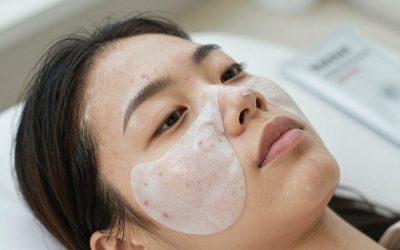
Hormonal shifts may increase oil production and breakouts, particularly in the first and second trimesters. Increased blood flow can make skin look flushed or more reactive. Many people develop melasma-type pigmentation on the cheeks, forehead and upper lip, which sun exposure tends to darken. Skin can also feel drier or itchier, especially as it stretches.
Ingredients commonly avoided or discussed with a clinician
Guidance differs between sources and practitioners, but the list below reflects ingredients that are frequently flagged. Treat it as a checklist for a conversation with your care provider, not a verdict.
| Ingredient | Common guidance | Often-suggested alternative |
|---|---|---|
| Retinoids (retinol, retinal, tretinoin, adapalene) | Usually advised against | Bakuchiol only if your clinician approves; otherwise peptides or niacinamide |
| Hydroquinone | Often avoided | Azelaic acid, vitamin C, niacinamide |
| High-strength salicylic acid (peels, oral) | Usually avoided | Ask about low-strength wash-off or azelaic acid |
| Some chemical sunscreen filters | Some people prefer to avoid | Mineral (zinc oxide, titanium dioxide) SPF |
| Strong essential oils | Often limited | Fragrance-free products |
The AM routine
Step 1: Gentle cleanser
A mild, fragrance-free cleanser or a simple water rinse. If you are breaking out, a gentle gel cleanser is usually enough; harsh scrubs make hormonal skin more irritated.
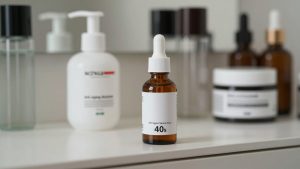
Step 2: Vitamin C serum
Vitamin C is widely regarded as a pregnancy-friendly option for antioxidant support and brightening. It pairs well with sunscreen and may help with the look of uneven tone. If L-ascorbic acid stings, try a gentler derivative.
Step 3: Niacinamide or hyaluronic acid (optional)
Niacinamide supports the barrier and is often used for oiliness and uneven tone. Hyaluronic acid adds lightweight hydration. Both are generally considered low-concern, but confirm with your clinician.
Step 4: Moisturizer
A fragrance-free moisturizer with glycerin, ceramides or squalane keeps skin comfortable, especially if pregnancy has made you drier.
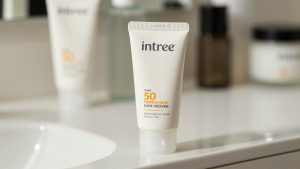
Step 5: Mineral sunscreen SPF 30+
Sunscreen is the most important step for preventing pregnancy-related pigmentation from darkening. Many people choose mineral formulas during pregnancy. Tinted versions with iron oxides add protection against visible light, which can be helpful if you are developing brown patches.
Managing common pregnancy skin concerns in the morning
- Breakouts: keep the routine gentle and ask your clinician about azelaic acid, which is frequently considered an option.
- Pigmentation: daily tinted mineral SPF, a hat, and shade matter more than any serum.
- Dryness: switch to a cream cleanser and richer moisturizer; apply to damp skin.
- Sensitivity: strip back to cleanser, moisturizer and SPF for a couple of weeks.
A trimester-by-trimester view
In the first trimester, nausea and fatigue often make a long routine unrealistic, so a cleanser, moisturizer and sunscreen are a perfectly good baseline. The second trimester is when many people notice pigmentation, which makes tinted SPF and a vitamin C serum worth prioritizing. In the third trimester, dryness and itching often increase, so a richer moisturizer and a cream cleanser can make mornings more comfortable. Adjust the routine to how you feel rather than forcing every step.
How to choose products
Read ingredient lists, not front labels; “pregnancy-safe” is a marketing phrase, not a regulated claim. Fragrance-free formulas reduce the chance of reactions when skin is more sensitive than usual. Check the current label every time you repurchase, as formulas can change.
Who should get personal advice
Anyone with a high-risk pregnancy, a skin condition such as eczema or psoriasis, or who was using prescription skincare before pregnancy should review their routine with a doctor. Severe itching, especially on the palms and soles, should be reported to your care team promptly rather than treated with skincare.
FAQ
Is vitamin C safe to use during pregnancy?
Topical vitamin C is widely considered a low-concern option and is commonly recommended as an alternative to retinoids and hydroquinone. Still, confirm with your clinician.
Do I need a special pregnancy sunscreen?
No special category exists. Many people prefer mineral sunscreens during pregnancy; the most important thing is broad-spectrum SPF 30 or higher applied generously every day.
Bottom line
A pregnancy-conscious morning routine can be simple and effective: gentle cleanser, vitamin C, an optional niacinamide or hydrating serum, a fragrance-free moisturizer and a mineral sunscreen, ideally tinted. Avoid commonly flagged ingredients like retinoids and hydroquinone, and run your final routine past your clinician.