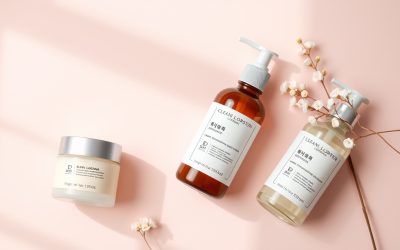
TL;DR: Korean tone up creams combine physical optical diffusers (titanium dioxide, mica) with skin-conditioning actives (niacinamide, arbutin, vitamin C derivatives) for immediate brightening plus cumulative pigmentation correction. Not a substitute for SPF — but many include it. Best layered as the final moisturizing step before sunscreen.
Korean Tone Up Cream: INCI Analysis and Real Glow Results (2026)
The “tone up” category is one of the most misunderstood in Korean skincare. Western audiences often conflate it with tinted moisturizer or BB cream — but a Korean tone up cream (톤업크림) is a distinct formulation designed primarily to instantly brighten and unify skin tone via optical diffusion, with secondary benefits from long-term brightening actives. The visual effect is immediate; the skin-conditioning effect builds over weeks.
Understanding the dual mechanism — optical plus biochemical — is essential for selecting the right korean tone up cream for your skin type and goals.
Top Picks at a Glance

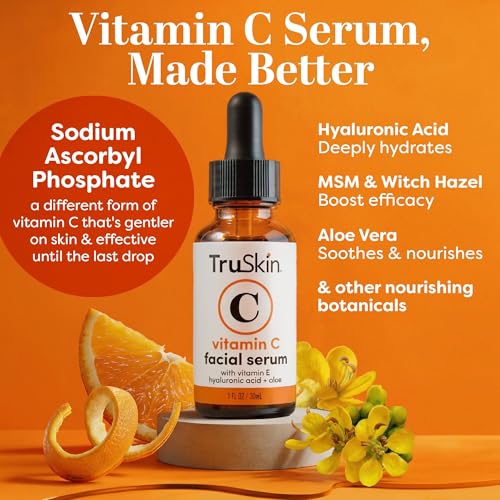
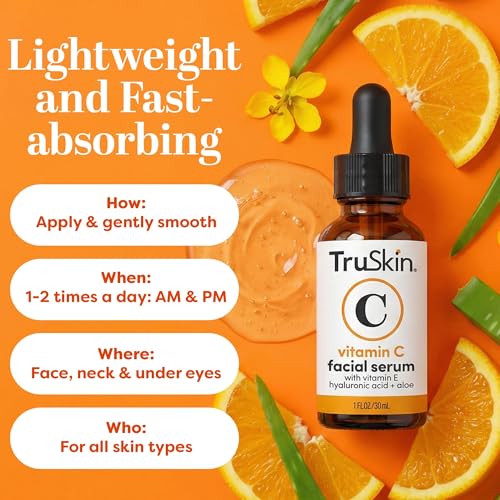
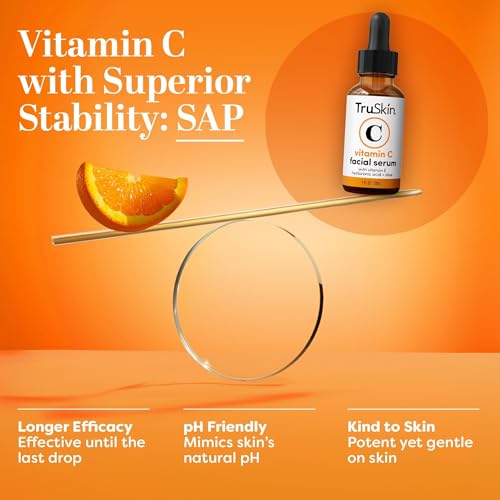
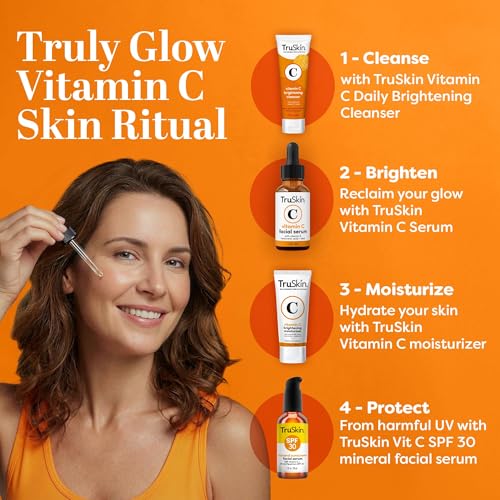
Prime TruSkin Vitamin C Serum for Face - Anti Aging Face Serum with Hyaluronic Acid & Vitamin E - Brightening Formula for Improving Appearance of Dark Spots, Fine Lines & Wrinkles - All Skin Types, 1 fl oz

As an Amazon Associate we earn from qualifying purchases. Product prices and availability are accurate as of the date/time indicated.

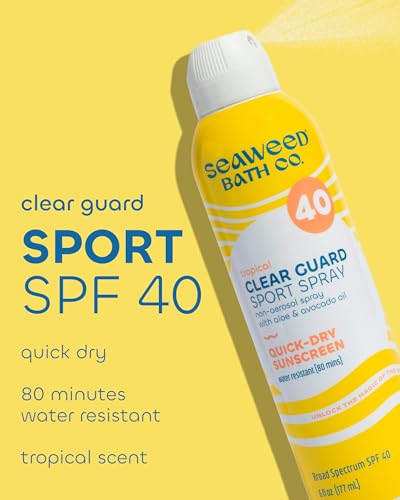
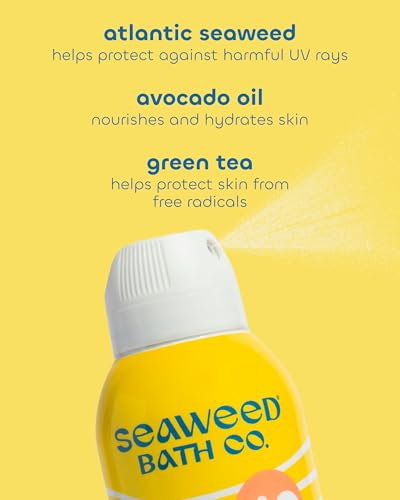
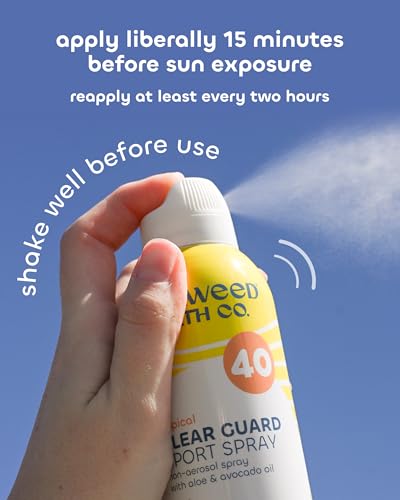
Prime Seaweed Bath Co. Clear Guard SPF 40 Sport Broad Spectrum Sunscreen - Quick Dry, Air-Powered Spray - Natural Tropical Scent - With Sustainably Harvested Seaweed, Aloe, Avocado Oil - 6 oz




As an Amazon Associate we earn from qualifying purchases. Product prices and availability are accurate as of the date/time indicated.

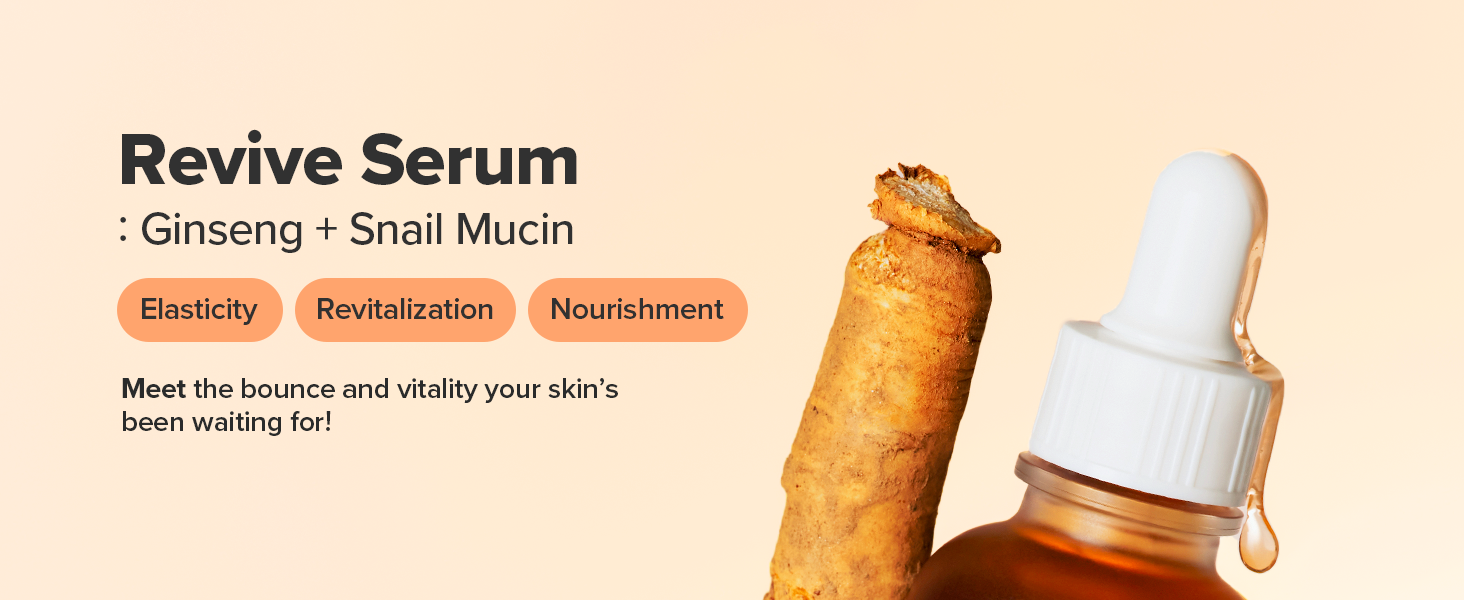
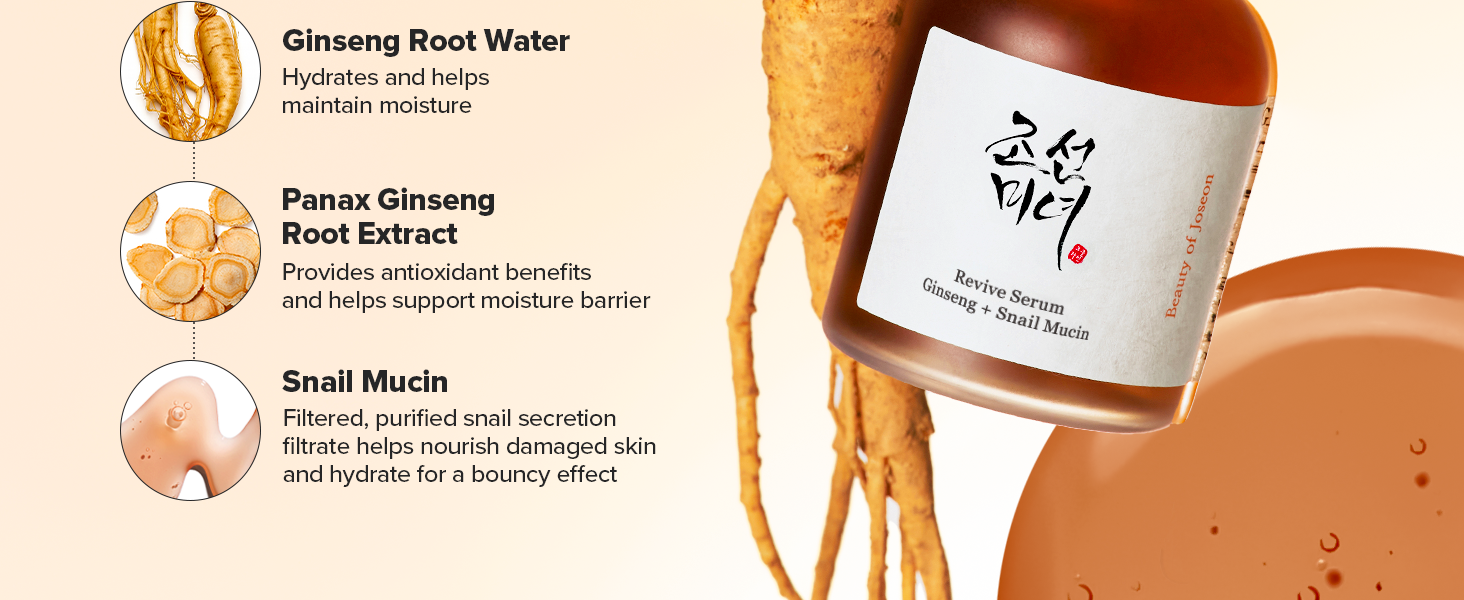
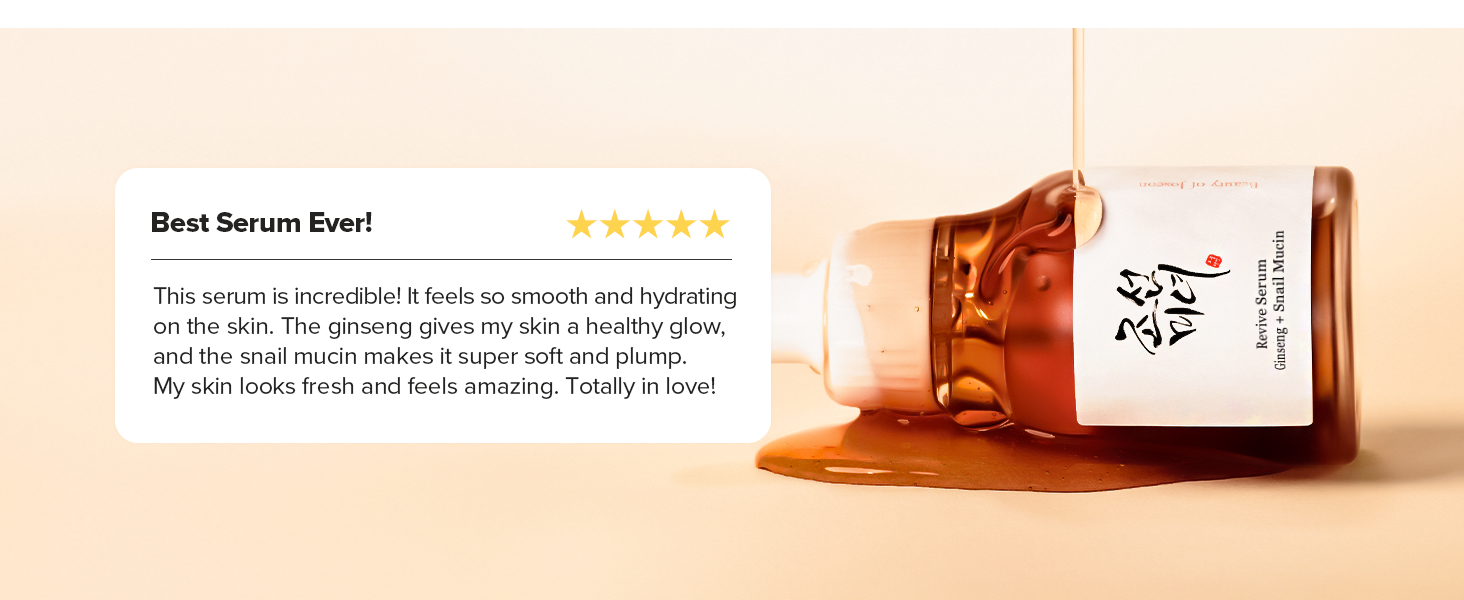
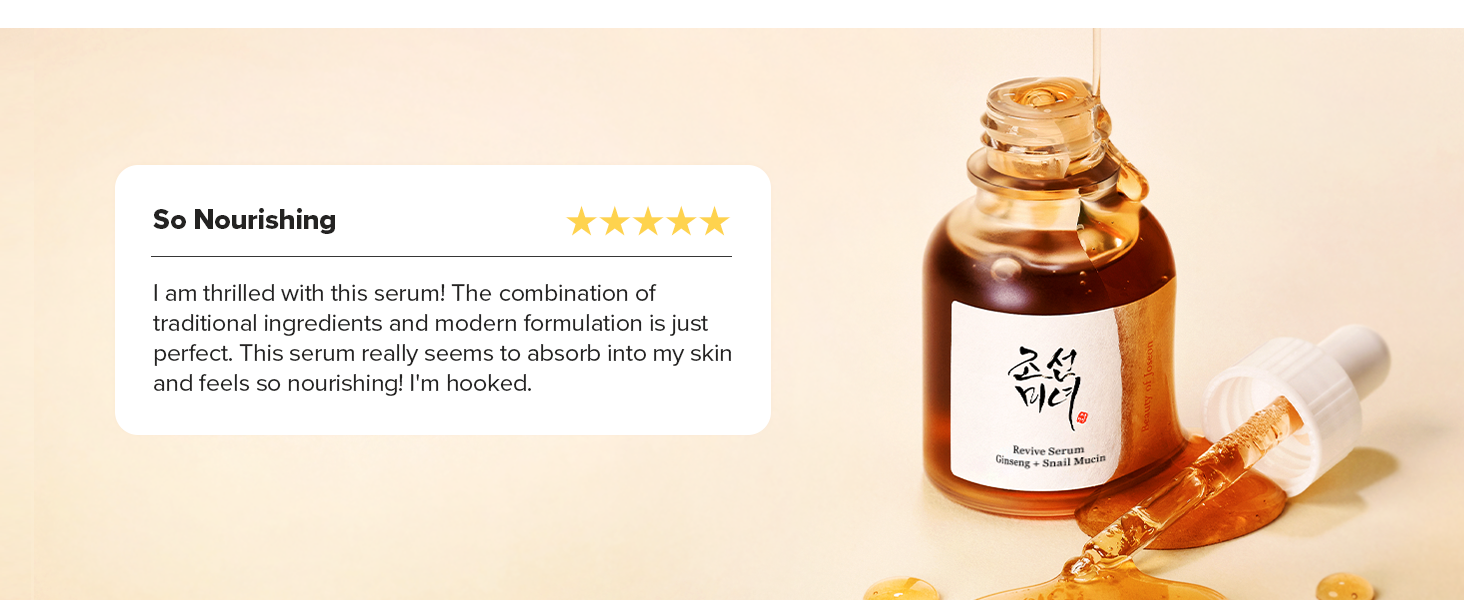
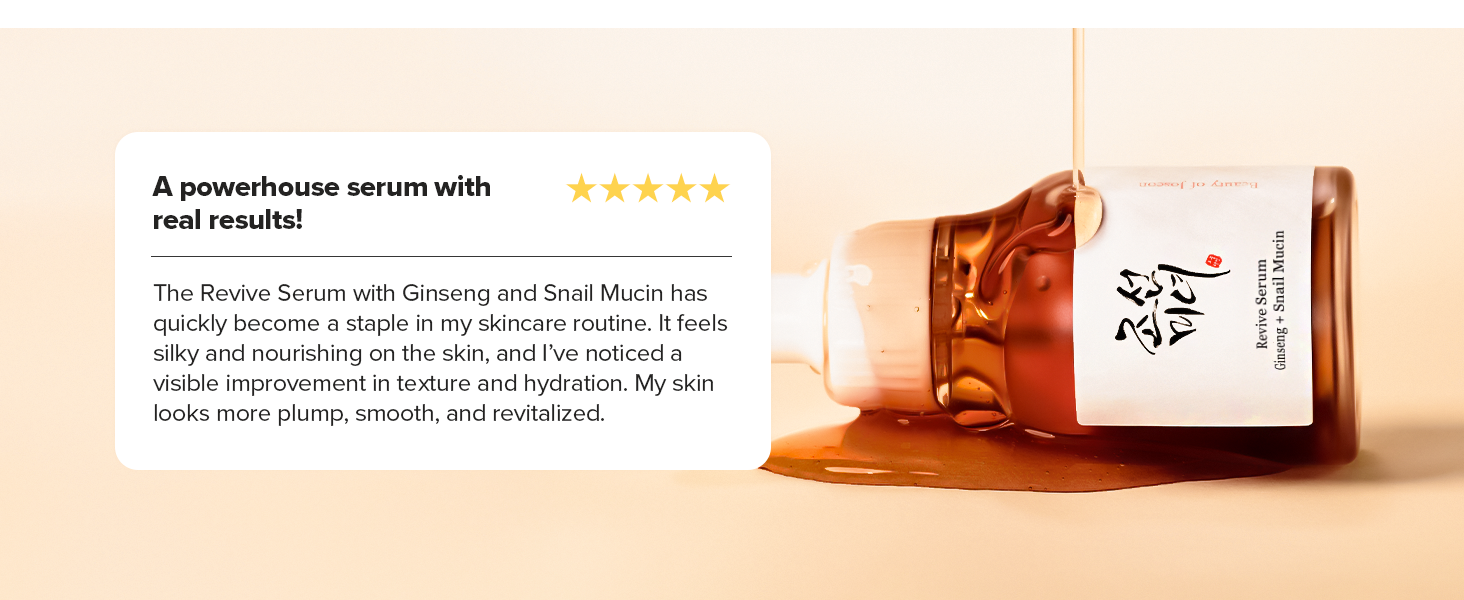
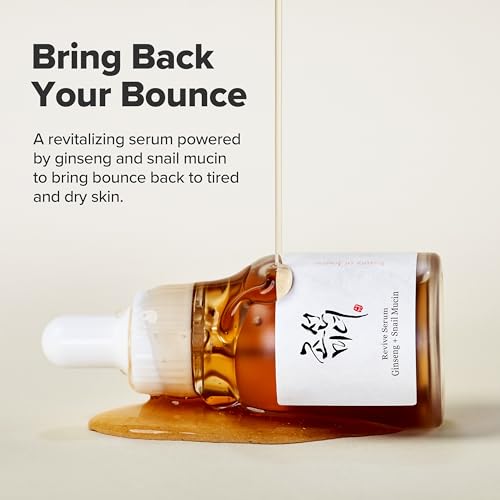
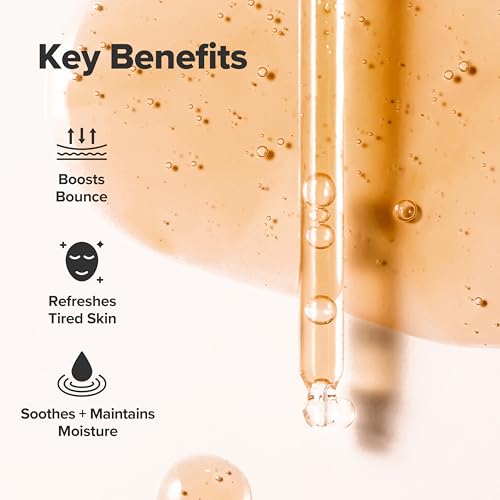
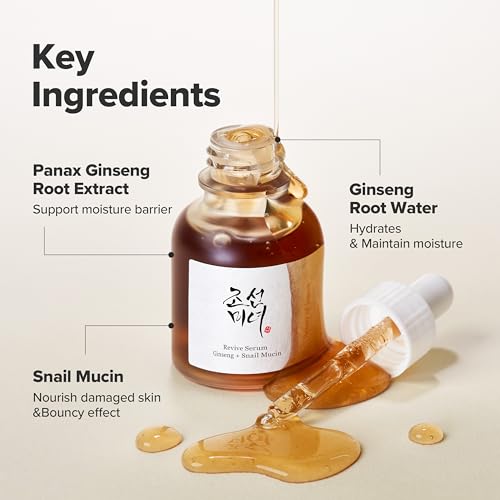
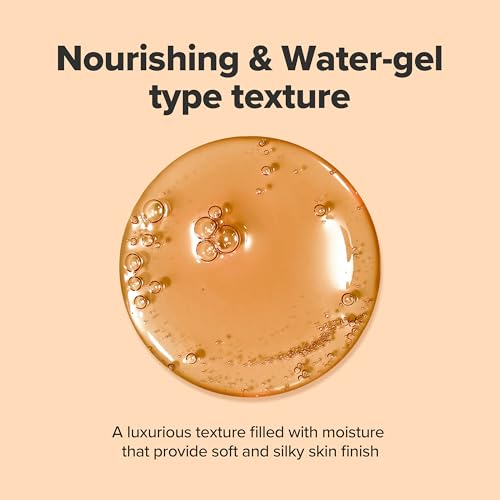
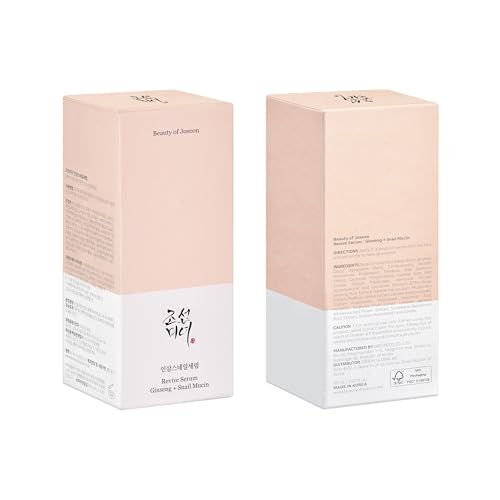
Prime Beauty of Joseon Revive Snail Mucin Ginseng Serum Hydrating Peptide Facial Moisturizer Dark Spot Acne Scar Remover for Sensitive Face. Korean Skin Care for Men and Women (2 Fl.Oz.)






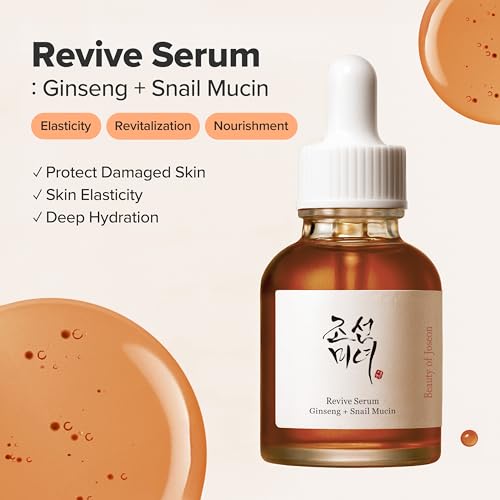
As an Amazon Associate we earn from qualifying purchases. Product prices and availability are accurate as of the date/time indicated.
The Two-Layer Mechanism: How Tone Up Creams Actually Work
Layer 1: Optical Diffusion (Immediate)
The instant brightening effect comes from light-scattering particulates suspended in the emulsion base. Common optical agents in Korean tone up creams include:
- Titanium Dioxide (CI 77891): High refractive index (2.55–2.70) scatters visible light broadly, creating the characteristic “whitening” effect. Also provides SPF when present above ~2%.
- Mica (CI 77019): Plate-like particle structure creates specular highlights and a luminous, lit-from-within appearance. Often surface-coated with silica for smoother slip.
- Zinc Oxide (CI 77947): Secondary optical brightener; also provides UV protection and mild sebum control.
- Silica (CI 77811): Porous structure absorbs excess sebum while soft-focus scattering smooths the appearance of pores and fine texture.
Layer 2: Biochemical Brightening (Cumulative)
The actives that address actual melanin production and distribution over time:
- Niacinamide (2–5%): Inhibits melanosome transfer from melanocytes to keratinocytes. Reduces PIH and uneven tone with consistent use over 8–12 weeks.
- Alpha-Arbutin / Arbutin: Reversible tyrosinase inhibitor; more stable than kojic acid and less irritating than hydroquinone.
- Ascorbyl Glucoside / Sodium Ascorbyl Phosphate: Stable vitamin C derivatives; convert to ascorbic acid in skin. Reduce existing melanin oxidation.
- Tranexamic Acid: Emerging brightening active in K-beauty; reduces UV-induced pigmentation via keratinocyte-melanocyte interaction pathway.
INCI & Spec Reference Table
| Active Category | Example INCI | Function | Onset |
|---|---|---|---|
| Optical brightener | Titanium Dioxide (CI 77891), Mica | Immediate light diffusion | Instant |
| Melanin transfer inhibitor | Niacinamide | Reduces PIH/uneven tone | 8–12 weeks |
| Tyrosinase inhibitor | Alpha-Arbutin, Kojic Acid | Reduces new melanin synthesis | 4–8 weeks |
| Antioxidant brightener | Ascorbyl Glucoside, Ascorbic Acid | Reduces oxidized melanin | 4–6 weeks |
| Barrier support | Glycerin, Ceramide NP, Sodium Hyaluronate | Prevents TEWL, plumps | Instant / ongoing |
Texture Variants and Skin Type Matching
Korean tone up creams span a wide texture spectrum. Selecting the wrong texture for your skin type is the most common usage error:
- Gel-cream tone up: Water-dominant base (Aqua first in INCI), lightweight, appropriate for oily and combination skin. Often mattifying due to silica content.
- Emulsion tone up: Oil-in-water base, moderate hydration, suitable for normal to combination. The most common format.
- Cream tone up: Higher lipid fraction (look for dimethicone, cyclopentasiloxane, or plant oils in positions 3–7 of INCI). Best for dry and mature skin types that need occlusion.
- Sleeping mask tone up: High-molecular humectant base; designed for overnight use. Optical effect is secondary; brightening actives are primary. See our dedicated guide on Korean sleeping masks for this category.
Tone Up Cream vs. BB Cream vs. CC Cream
These categories overlap in Korean cosmetics but have distinct formulation priorities:
- Tone up cream: Skincare-first. Sheer to no coverage. Optical brightening + active ingredients. Not a makeup base replacement, but functions as the final skincare layer.
- BB cream: Makeup-first. Medium coverage with skin-conditioning benefits. Heavier pigment load; typically replaces foundation step.
- CC cream: Color-correcting focus. Often contains more optical diffusers in specific hues (lavender for sallowness, peach for dark circles) alongside coverage pigments.
For the full moisturizer landscape, see our best Korean moisturizers for 2026 roundup, which covers where tone up creams fit in a complete routine.
Frequently Asked Questions
Does a Korean tone up cream replace moisturizer?
Depends on formulation. Many Korean tone up creams include humectants (glycerin, sodium hyaluronate), emollients (dimethicone, squalane), and occlusives (petrolatum derivatives, beeswax) at concentrations sufficient to replace a separate moisturizer step for normal and combination skin. Dry skin types typically need additional occlusive layering underneath, as the optical diffusers can create a slightly drying film effect. Check the INCI: if glycerin appears in the top three positions and ceramides are present, it likely functions as a standalone moisturizer.
Will a tone up cream work for darker skin tones?
Traditional Korean tone up creams were formulated with a pale, neutral-to-cool East Asian complexion as the default. High titanium dioxide content can leave a stark white cast on medium to deeper skin tones. More recent formulations use lower TiO2 concentrations paired with pearlescent mica or use iron oxides to adjust the undertone. Look for products marketed with “no white cast” claims or with a beige/natural finish descriptor rather than “white up” or “whitening” language.
How should I layer a tone up cream with SPF?
If the tone up cream contains a declared SPF, it functions as your sunscreen and should be the final skincare step — no additional SPF required, but ensure you apply the amount tested (typically 1/4 teaspoon for face and neck). If the tone up cream has no SPF, apply it as your last moisturizing step, then follow with a dedicated SPF. Never mix SPF products into other cream formulas — this dilutes filter concentration below effective levels. Our SPF-50 Korean sunscreen comparison covers the best options to pair with tone up creams.
Can I use a tone up cream as a makeup primer?
Yes — this is a common Korean beauty practice called “base layering.” The silicone and silica content in many tone up creams creates a smooth surface that improves foundation adhesion and extends wear. However, high-mica formulas can cause pilling when layered under silicone-heavy foundations. Test compatibility on a small area first, and allow 2–3 minutes for the tone up cream to set before applying makeup.
How long until I see results from the brightening actives in a tone up cream?
Optical brightening is immediate — visible within seconds of application. Niacinamide-driven reduction in PIH and uneven tone requires 8–12 weeks of consistent twice-daily use. Alpha-arbutin effects on new spot formation begin showing at 4–8 weeks. For established hyperpigmentation, a dedicated brightening serum with higher active concentrations (5%+ niacinamide, 1–2% alpha-arbutin) will deliver faster results than relying on the lower concentrations in a tone up cream alone.
Routine Integration
Korean tone up creams slot in as the final skincare step, applied after any layered essences, serums, or eye creams. For summer routines, many Korean users substitute their regular moisturizer with a tone up cream containing SPF — practical and efficient. For seasonal guidance, see our Korean skincare summer routine which covers this exact substitution strategy.
If your skin tone concerns include winter dehydration-related dullness, the Korean dry skin essentials routine explains how to layer tone up products over thicker hydrating bases without pilling.
Final Verdict
Korean tone up creams deliver genuinely useful dual-action results when formulated well: optical brightening that’s immediately visible, and sustained pigmentation correction from niacinamide and arbutin. Select based on texture (matched to skin type), optical agent concentration (lower TiO2 for deeper skin tones), and active ingredient positioning in the INCI. Use consistently twice daily for the biochemical benefits to compound over time.