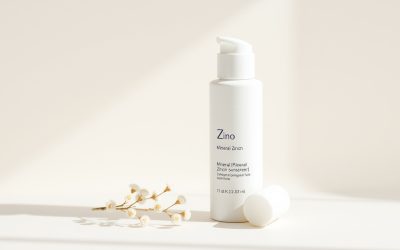
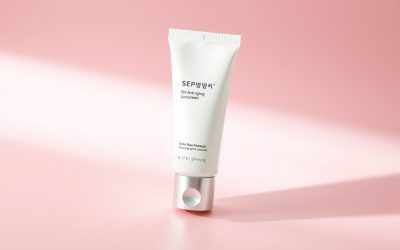
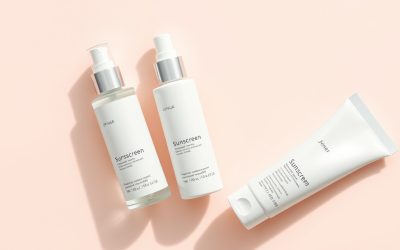
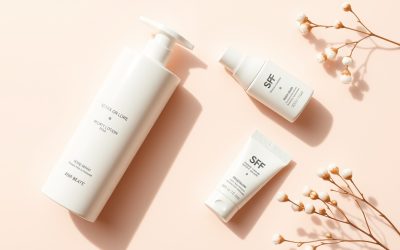
TL;DR: Korean mineral sunscreens solve the white cast problem through micronized/nano titanium dioxide and zinc oxide, combined with toning agents and skin-prep bases. SPF 50+ PA++++ is standard. Key filter INCI: Titanium Dioxide, Zinc Oxide — check particle size claims and coating technology for cast performance.
Korean Mineral Sunscreen: No White Cast Formulas and Filter Science (2026)
Mineral sunscreen (physical sunscreen) has a well-earned reputation problem: the chalky, gray-white residue that makes most people reach for chemical filters instead. Korean cosmetic chemists have spent the last decade systematically solving this problem through particle engineering, surface coating chemistry, and emulsion design — without sacrificing the safety profile that makes mineral filters appealing in the first place.
A high-quality korean mineral sunscreen in 2026 should deliver SPF 50+ PA++++ protection with minimal to no visible white cast, a wearable finish, and a formulation architecture stable enough to maintain filter efficacy throughout the day. This guide explains exactly how Korean labs achieve this and what to look for in the INCI.
Top Picks at a Glance

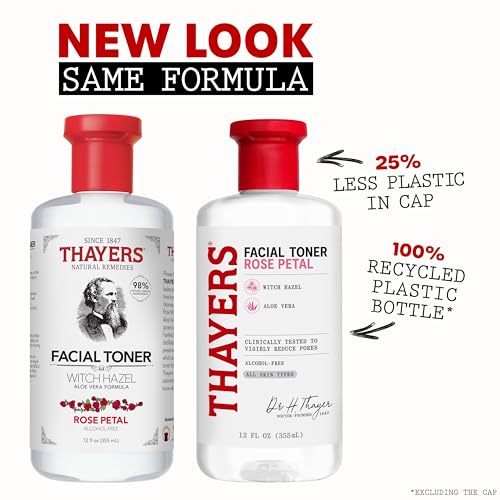
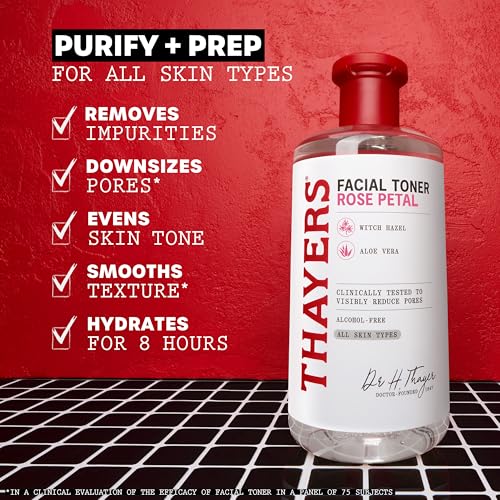
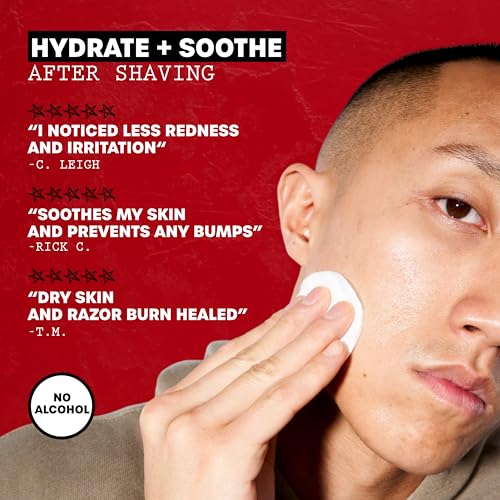
Prime THAYERS Alcohol-Free Rose Petal Witch Hazel Facial Toner for Glowing Skin, Soothing, Hydrating, Refreshing Toner for All Skin Types, 12oz (Packaging May Vary)
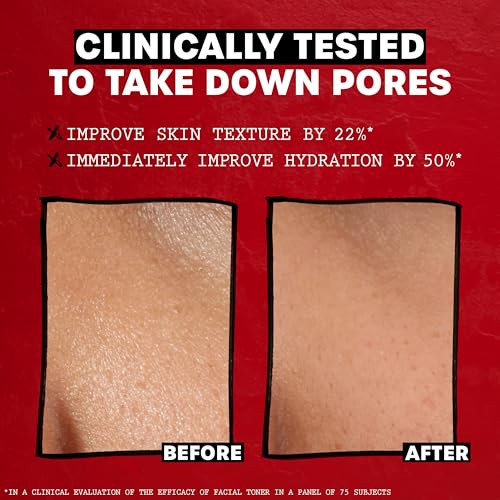
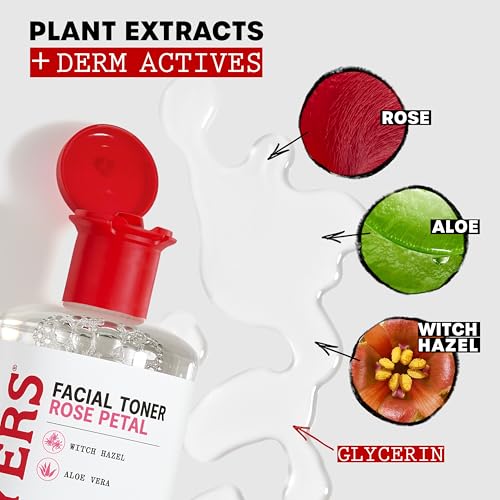
As an Amazon Associate we earn from qualifying purchases. Product prices and availability are accurate as of the date/time indicated.

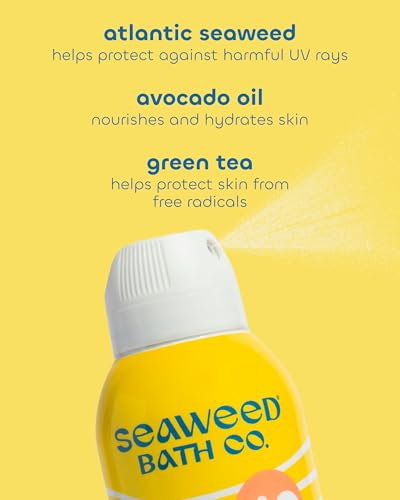
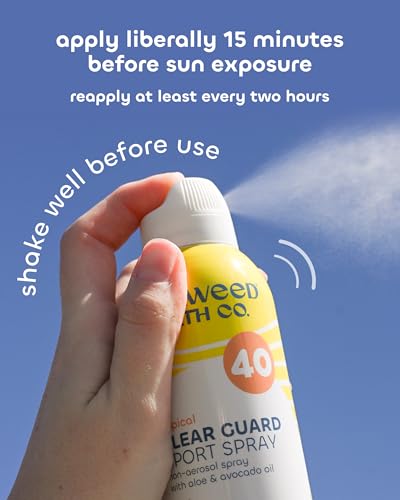
Prime Seaweed Bath Co. Clear Guard SPF 40 Sport Broad Spectrum Sunscreen - Quick Dry, Air-Powered Spray - Natural Tropical Scent - With Sustainably Harvested Seaweed, Aloe, Avocado Oil - 6 oz


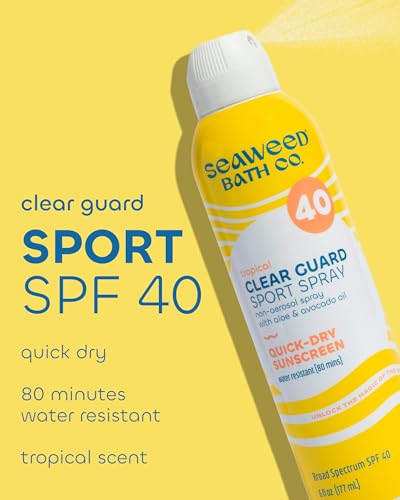
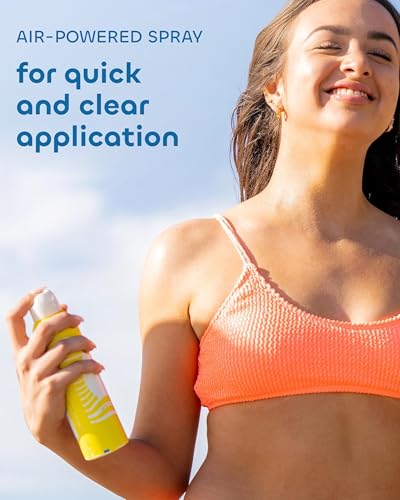
As an Amazon Associate we earn from qualifying purchases. Product prices and availability are accurate as of the date/time indicated.

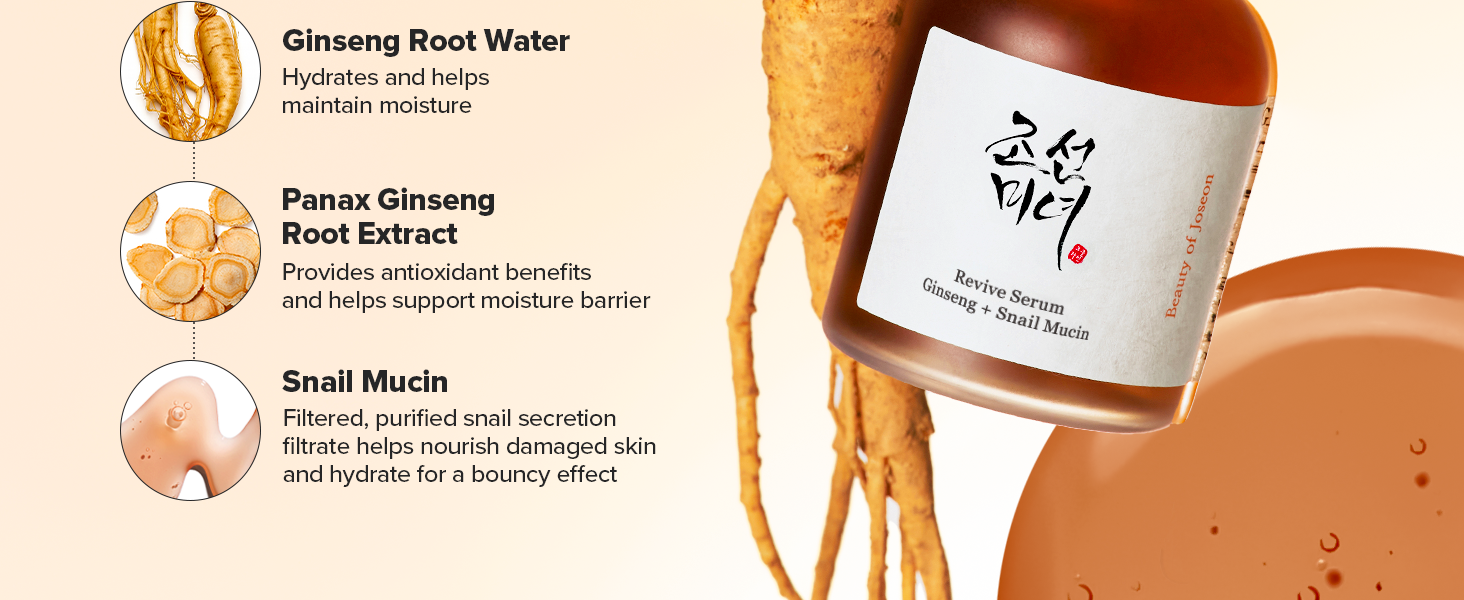
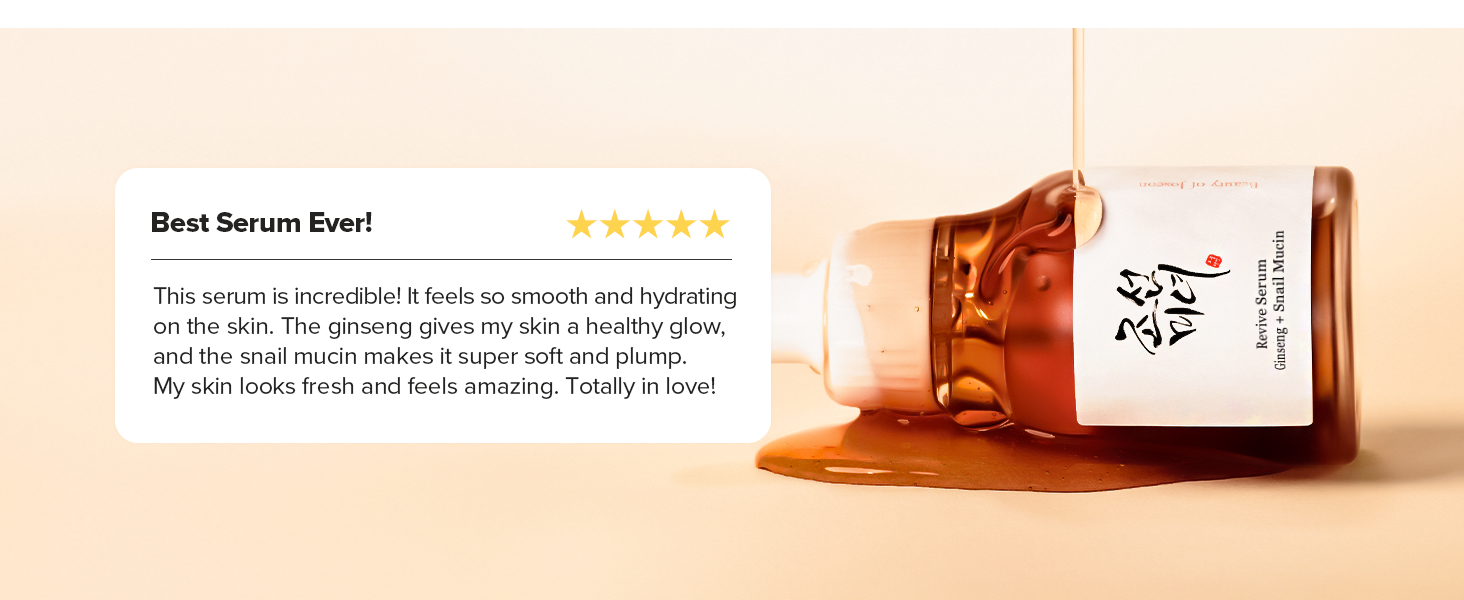
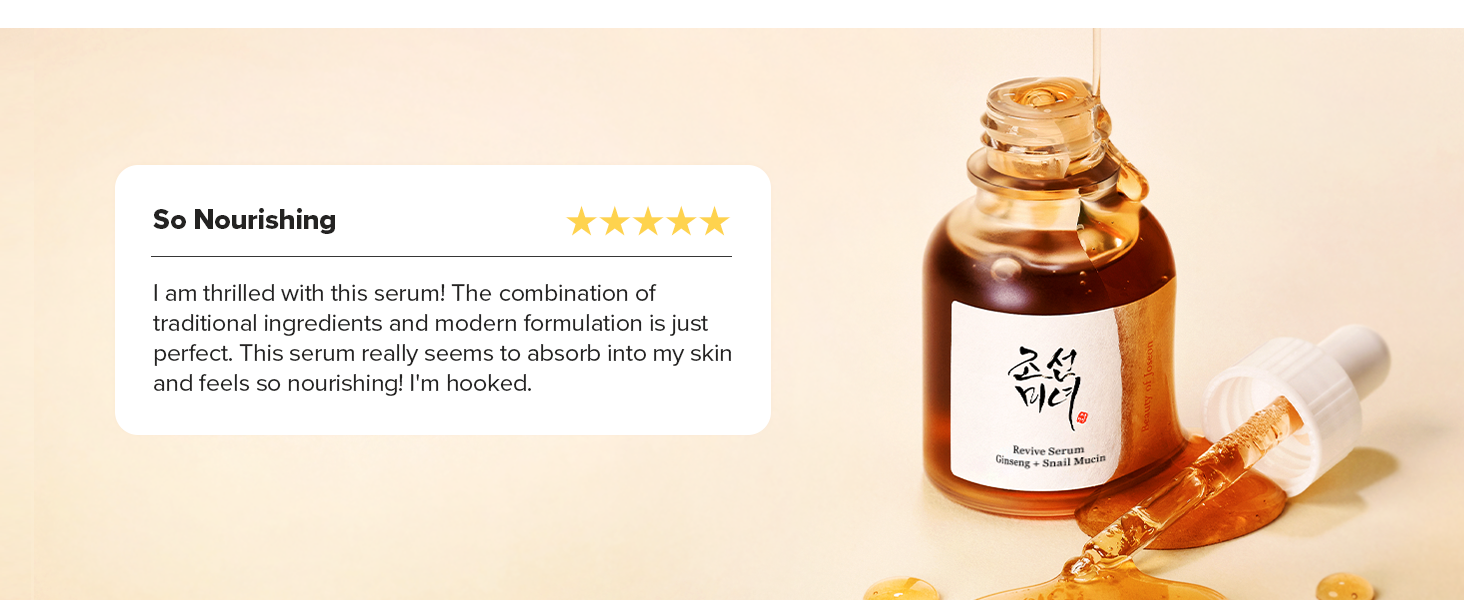
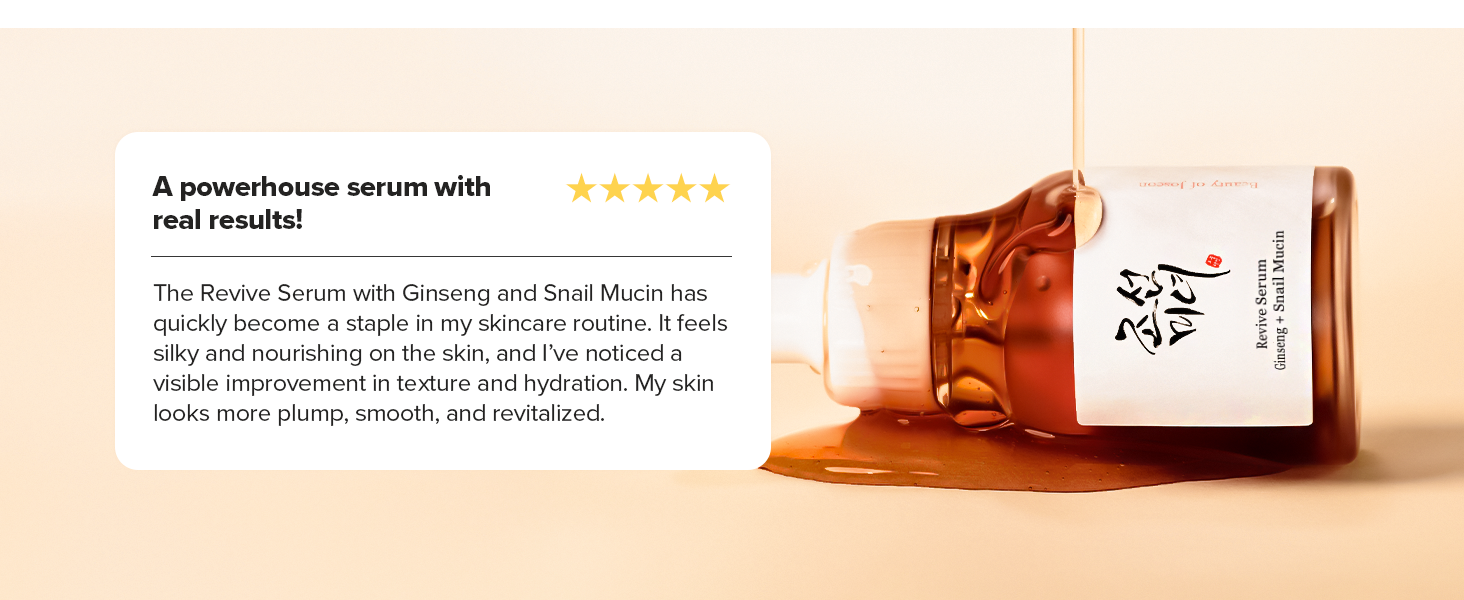
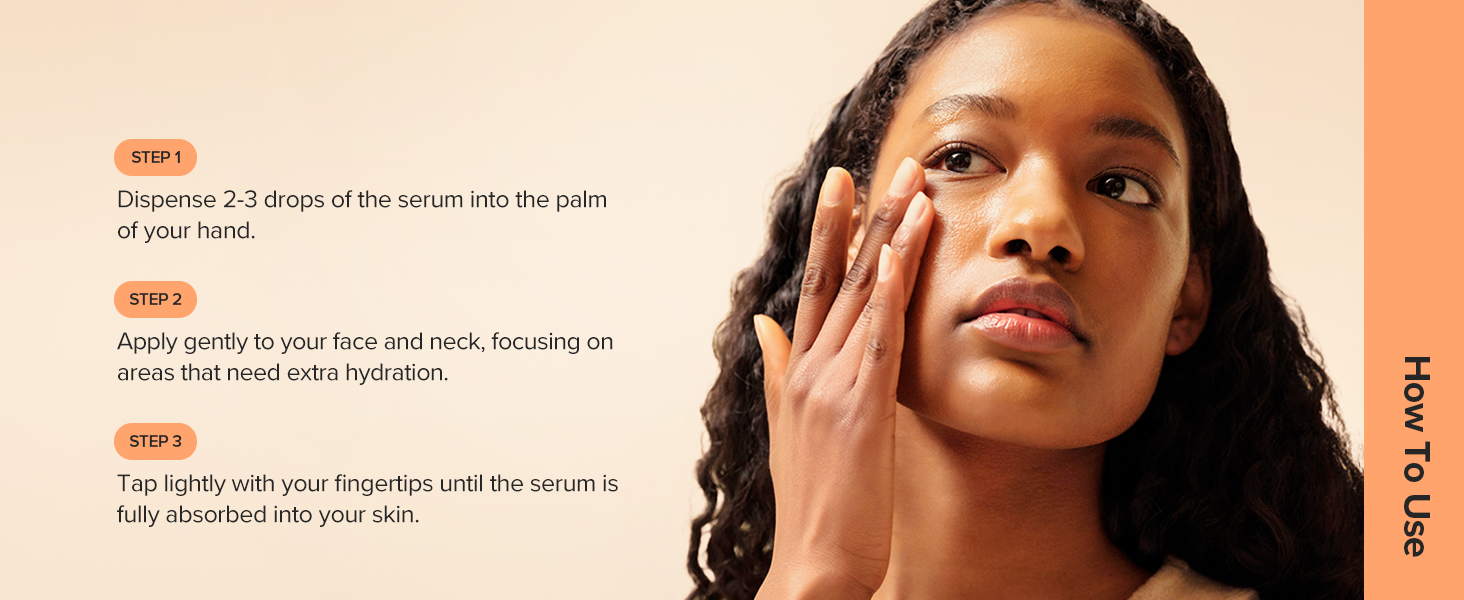
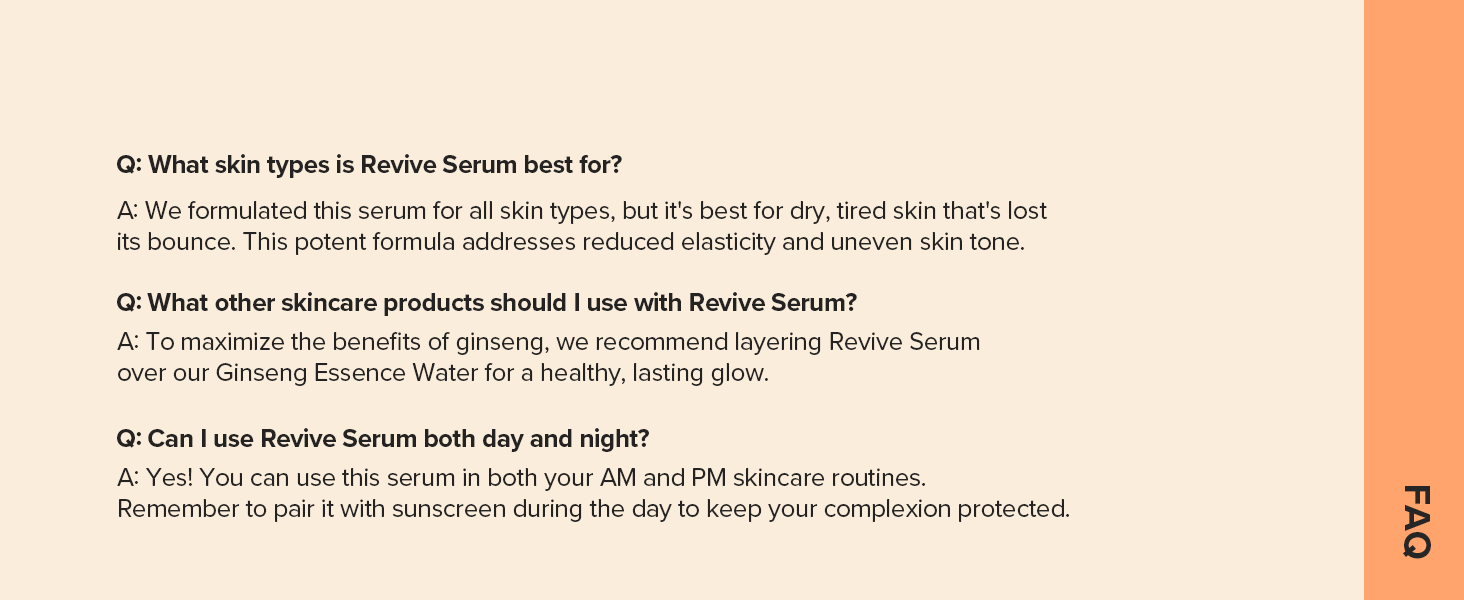
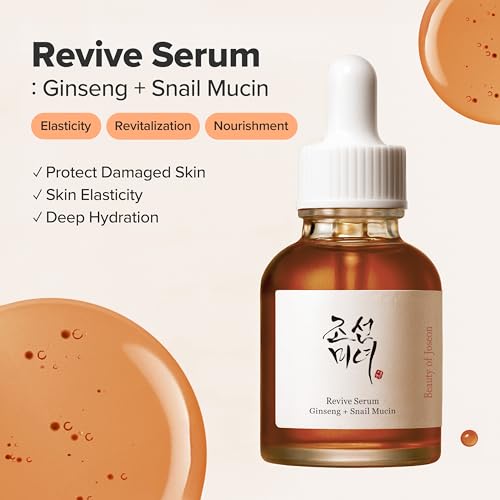
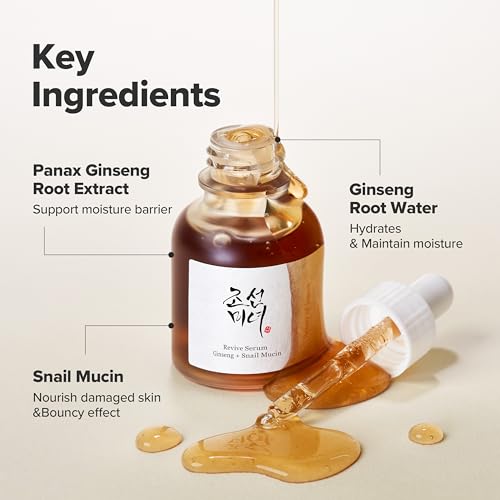
Prime Beauty of Joseon Revive Snail Mucin Ginseng Serum Hydrating Peptide Facial Moisturizer Dark Spot Acne Scar Remover for Sensitive Face. Korean Skin Care for Men and Women (2 Fl.Oz.)






As an Amazon Associate we earn from qualifying purchases. Product prices and availability are accurate as of the date/time indicated.
The White Cast Problem: Physics and Chemistry
White cast from mineral sunscreens is caused by the high refractive index of titanium dioxide (2.55–2.70) and zinc oxide (2.00–2.01) — these values are significantly higher than skin’s refractive index (~1.34), causing visible light scattering rather than just UV absorption/reflection. The larger the particle size, the more visible the scatter.
Korean labs address this through four engineering approaches:
- Micronization: Reducing TiO2 particle size to 100–200nm range dramatically reduces visible light scatter while maintaining UV protection efficacy. True nano-TiO2 (<100nm) eliminates virtually all white cast but has generated regulatory discussion around dermal penetration.
- Surface coating: Coating TiO2 and ZnO particles with alumina (Al2O3), silica (SiO2), or dimethicone improves dispersibility in the emulsion base and reduces agglomeration — agglomerated particles create visible white clumps. INCI notation: Titanium Dioxide (CI 77891) (and) Dimethicone/Methicone Copolymer.
- Iron oxide toning: Adding trace amounts of iron oxides (CI 77492 Yellow, CI 77491 Red) shifts the white cast toward a beige/skin tone. Small amounts (~0.1–0.5%) are sufficient to neutralize the cool-white cast without adding visible coverage.
- Emulsion architecture: High-water-content formulas dilute filter concentration at the surface, reducing the optical density that causes the cast effect. A 15–20% total filter load in a water-heavy emulsion reads differently than the same load in a thick cream.
PA++++ vs SPF: Understanding Korean Sun Protection Ratings
Korean sunscreens are rated under both the SPF system (UVB protection) and the PA system (UVA protection, unique to Asian markets):
- SPF: Measures UVB protection. SPF 50 blocks 98% of UVB; SPF 50+ blocks 98%+. Korean regulations require SPF 50+ labeling for anything above SPF 50, unlike EU’s allowed 50+ capping.
- PA: Protection Grade of UVA rays. PA+ = 2–4x UVA protection; PA++ = 4–8x; PA+++ = 8–16x; PA++++ = 16x or more. Based on persistent pigment darkening (PPD) testing. PA++++ is the highest achievable rating under Japanese/Korean standards.
Mineral filters — specifically zinc oxide — provide broad-spectrum UV coverage including UVA1 (340–400nm), which is the wavelength range most responsible for photoaging. Chemical filters typically require specific UVA filters (avobenzone, tinosorb) to match zinc oxide’s UVA1 coverage. This is the core photochemical advantage of zinc-containing mineral formulas.
INCI & Spec Reference Table
| Component | INCI Examples | Function | White Cast Impact |
|---|---|---|---|
| Primary UV filter | Titanium Dioxide (CI 77891) | UVB + UVA2 protection | High if uncoated/large particle |
| Broad-spectrum filter | Zinc Oxide (CI 77947) | UVA1 + UVA2 + UVB | Moderate (less than TiO2) |
| Filter coating | Dimethicone/Methicone Copolymer, Silica | Dispersibility, reduce agglomeration | Significantly reduces cast |
| Tone corrector | Iron Oxides (CI 77491, CI 77492) | Neutralize white cast | Eliminates cool-white tone |
| Skin prep base | Niacinamide, Centella Asiatica, Glycerin | Skin conditioning alongside UV protection | Neutral |
Mineral vs. Chemical vs. Hybrid: How Korean Formulas Compare
Korean sunscreens span all three categories, and the “mineral is always safer” narrative oversimplifies the actual formulation landscape:
- Pure mineral: TiO2 and/or ZnO only. No chemical filters. Ideal for reactive skin, pregnancy concerns, and post-procedure use. White cast risk highest in this category — formulation quality varies enormously.
- Pure chemical (organic): Uses European-approved filters like Uvinul A Plus, Tinosorb S, Tinosorb M (not FDA-approved but widely used in Korean formulas for US import). No white cast; photostability varies by filter combination.
- Hybrid mineral-chemical: Lower TiO2/ZnO concentrations blended with chemical filters. Best of both: reduced white cast, broad-spectrum coverage, good aesthetics. Most common category in premium Korean SPF. For a detailed comparison across both types, see our SPF 50 Korean sunscreen comparison.
Frequently Asked Questions
Are nano-sized mineral filters in Korean sunscreens safe?
Regulatory bodies including the EU Scientific Committee on Consumer Safety (SCCS) and Korea’s Ministry of Food and Drug Safety have reviewed nano-TiO2 and nano-ZnO extensively. Current evidence consistently shows that nano-mineral particles do not penetrate beyond the stratum corneum in intact skin — they remain on the surface. Risk of systemic absorption in healthy skin is considered negligible. Caution is noted for damaged or severely compromised barrier, where penetration theoretically increases, though clinical evidence of harm remains absent.
Why does my Korean mineral sunscreen still leave a white cast even though it claims “no white cast”?
Three common causes: (1) Application amount — the tested SPF requires ~2mg/cm² or 1/4 teaspoon for face and neck; most people apply 25–50% of this, but paradoxically, under-application reduces white cast while also reducing protection. (2) Skin prep — mineral filters applied to dry or textured skin appear whiter than on smooth, hydrated skin. Apply a hydrating toner first. (3) Formula interaction — some facial oils or heavy creams applied before SPF cause TiO2 to clump and whiten at the surface. Use the routine for your skin from our Korean summer skincare routine as a layering reference.
Can I use Korean mineral sunscreen under makeup?
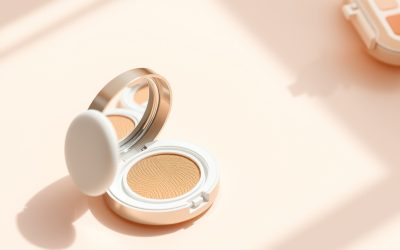
Yes — Korean mineral sunscreens are specifically formulated for this use case. The silicone-coated TiO2 in most formulas creates a smooth, blendable base that improves foundation adhesion rather than hindering it. Allow 2–3 minutes for the sunscreen to fully set before applying foundation. Avoid pressing powder over still-tacky mineral SPF — it causes the TiO2 to cake and visibly whiten. Korean cushion compacts often contain mineral SPF specifically for easy SPF reapplication over makeup throughout the day.
Do Korean mineral sunscreens work for sensitive and acne-prone skin?
Mineral filters have a stronger safety record for sensitive and acne-prone skin than chemical filters, primarily because they don’t penetrate the skin or generate reactive oxygen species on skin contact. ZnO specifically has documented anti-inflammatory and mild antibacterial properties. The caveat: the emulsion base matters as much as the filter. A mineral sunscreen in a comedogenic emulsion base (high oleic oils, heavy waxes) will cause breakouts despite the “safe” filter. Check that the base uses non-comedogenic emollients: squalane, caprylic/capric triglyceride, cyclopentasiloxane. See how mineral SPF fits into the Korean skincare routine for oily and acne-prone skin.
How do I reapply mineral sunscreen throughout the day without disturbing makeup?
Korean beauty offers several practical solutions: (1) SPF cushion compact — press over makeup to reapply without disrupting layers; (2) Mineral SPF spray — light mist reapplication; (3) SPF-containing setting powder — dual function though UV protection depends heavily on application amount, which is difficult to control with powder. For full reapplication effectiveness, a cushion with declared SPF 50 PA++++ is the most reliable option and widely available in Korean brands.
Routine Placement and Layering
Korean mineral sunscreen is always the final AM skincare step — after all serums, moisturizers, and tone up creams. Never layer skincare products over applied SPF; this dilutes filter concentration and disrupts photostability. In the PM routine, mineral filters require proper cleansing — a standard water-based cleanser is insufficient for coated TiO2 and ZnO. Use an oil cleanser or micellar water first, then follow with a low-pH water cleanser as part of the double cleanse protocol covered in our Korean double cleansing guide.
For winter-specific SPF considerations when barrier is more compromised, the Korean winter dry skin routine addresses how to layer mineral SPF over richer moisturizing bases without pilling.
Final Verdict
Korean mineral sunscreens in 2026 have largely solved the white cast problem for light to medium skin tones through micronization, surface coating, and iron oxide toning. For deeper skin tones, hybrid formulas with lower mineral filter loads or iron-oxide-tinted options are the most reliable choice. Prioritize formulas with SPF 50+ PA++++, coated TiO2/ZnO in the INCI, non-comedogenic base ingredients, and skin-conditioning actives that add skincare value beyond UV protection alone.