TL;DR: Korean mandelic acid products deliver the gentlest AHA exfoliation available due to mandelic acid’s large aromatic molecular structure (152 g/mol) and lipophilic character — making it the preferred choice for acne-prone and sensitive skin. Dual-action: exfoliates comedone-forming corneocytes and provides mild antibacterial activity. Target pH 3.5–4.5, concentration 5–12%.
Korean Mandelic Acid: INCI Guide to the Gentlest AHA for Acne-Prone Skin in 2026
Korean mandelic acid products represent the most targeted AHA option for acne-prone, sensitive, and darker skin tones — three use cases where glycolic and lactic acid formulations can fall short. Mandelic acid (Mandelic Acid, INCI) is an alpha-hydroxy acid derived from bitter almonds with a molecular weight of 152 g/mol — nearly twice that of glycolic acid (76 g/mol) — which produces slow, uniform epidermal penetration and a substantially lower irritation threshold than smaller-molecule AHAs.
As an Amazon Associate we earn from qualifying purchases at no extra cost to you.




The aromatic benzene ring in mandelic acid’s structure also confers a degree of lipophilicity absent in glycolic and lactic acid. This lipophilic character allows mandelic acid to partition into the sebum-rich environment of follicular openings — exactly where comedones form — making it disproportionately effective at dissolving follicular plugs and preventing new closed comedones. Korean cosmetic formulators have built on this property to create mandelic acid serums, toners, and ampoules optimised specifically for oily, acne-prone, and PIH-susceptible skin.
Top Picks at a Glance

TruSkin Brightening Vitamin C Serum for Face with Hyaluronic Acid, 1 fl oz


As an Amazon Associate we earn from qualifying purchases. Product prices and availability are accurate as of the date/time indicated.

COSRX Snail Mucin 96% Repairing Serum for Sooothing & Hydrating 3.38 oz.

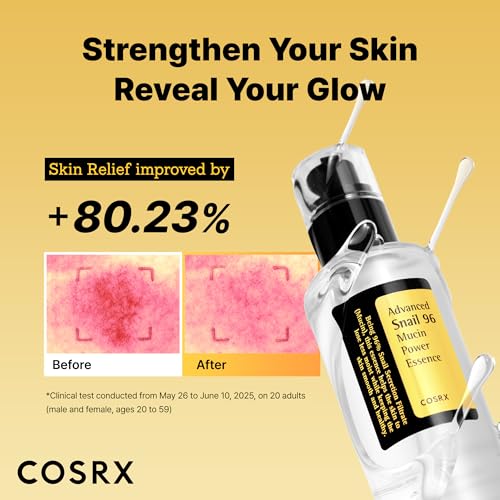


As an Amazon Associate we earn from qualifying purchases. Product prices and availability are accurate as of the date/time indicated.
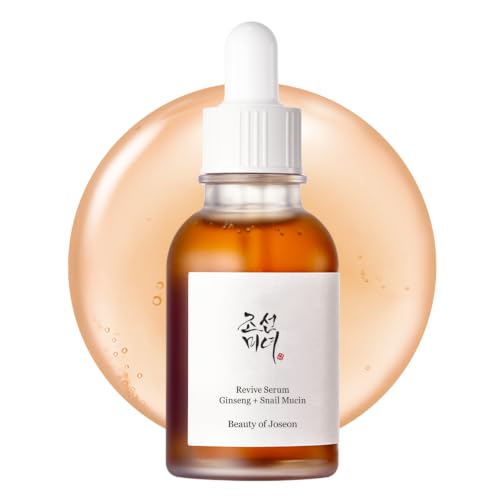
Beauty of Joseon Revive Snail Mucin Ginseng Serum Hydrating Peptide Facial Moisturizer Dark Spot Acne Scar Remover for Sensitive Face. Korean Skin Care for Men and Women (2 Fl.Oz.)




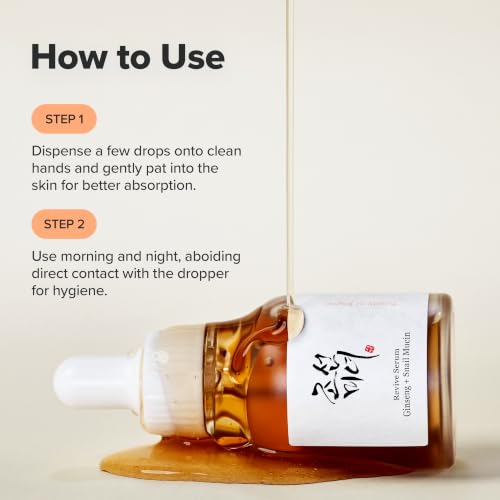

As an Amazon Associate we earn from qualifying purchases. Product prices and availability are accurate as of the date/time indicated.
Why Mandelic Acid Is Preferred for Acne-Prone and Darker Skin Tones
Acne-prone skin requires an exfoliant that clears follicular hyperkeratinisation without triggering the inflammatory cascades that worsen active lesions. Glycolic acid, with its rapid penetration, can exacerbate inflammation in skin with a disrupted barrier — common during active breakouts. Mandelic acid’s slow penetration means exfoliation occurs more gradually across the full face rather than concentrating at penetration hotspots, reducing the risk of focal irritation around active lesions.
For Fitzpatrick III–VI skin tones — where post-inflammatory hyperpigmentation (PIH) is the most persistent acne sequela — mandelic acid’s low irritation profile is clinically significant. PIH is primarily an inflammatory response: any exfoliant that generates measurable irritation risks worsening the hyperpigmentation it is intended to address. Mandelic acid exfoliates and accelerates PIH turnover at a pH level and irritation threshold where darker skin tones tolerate it far better than glycolic alternatives. Multiple Korean clinical studies document this benefit specifically in East Asian and Southeast Asian cohorts.
INCI and Specification Reference Table
| Specification | Value / INCI Name | Function |
|---|---|---|
| Primary AHA | Mandelic Acid | Exfoliation, follicular keratolysis, mild antibacterial |
| Molecular Weight | 152 g/mol | Slowest AHA penetration; gentlest profile |
| Lipophilicity (logP) | ~0.65 | Follicular affinity; comedone-dissolving action |
| Target pH | 3.5–4.5 | Keratolytic efficacy range |
| Typical Concentration | 5–12% | 5% intro; 10–12% established routine |
| Antibacterial Synergy | Mandelic Acid + Zinc PCA or Tea Tree Oil | Broad-spectrum inhibition of C. acnes |
| Brightening Partners | Niacinamide, Tranexamic Acid, Alpha-Arbutin | PIH suppression alongside AHA turnover |
| Soothing INCI | Centella Asiatica Extract, Panthenol, Allantoin | Reduce post-exfoliation erythema |
Mandelic Acid’s Antibacterial Mechanism
Beyond keratolysis, mandelic acid exhibits direct antibacterial activity against Cutibacterium acnes (formerly Propionibacterium acnes) — the gram-positive anaerobe central to inflammatory acne pathogenesis. The mechanism involves disruption of C. acnes cell membrane integrity at the low pH of mandelic acid formulations, reducing the bacterial load in sebaceous follicles. This is not antibiotic action but a non-specific chemical effect, meaning no antibiotic resistance develops — a clinically significant advantage over topical clindamycin or erythromycin-based treatments.
Korean mandelic acid formulations targeting acne frequently pair mandelic acid with Zinc PCA (sebum regulation, additional C. acnes inhibition), Salicylic Acid at 0.5–2% (BHA for deeper follicular penetration), or Tea Tree Leaf Extract (Melaleuca Alternifolia Leaf Extract) for synergistic antibacterial coverage. For a dedicated BHA option when mandelic acid alone is insufficient for open comedones, the Korean pore-minimising product guide covers salicylic acid-based alternatives.
Layering Mandelic Acid in a Korean Acne Routine
Mandelic acid belongs in the PM routine, applied after cleansing and before treatment serums. Its slow penetration rate makes the sequencing of subsequent actives less critical than with glycolic — a 5-minute wait before applying serums is usually sufficient. Avoid combining mandelic acid with retinol in the same routine step; apply on alternating nights instead. For active inflammatory acne, pause mandelic acid over open lesions — apply only to intact, non-inflamed skin and spot-treat active pimples separately using a targeted Korean acne spot treatment.
Mandelic acid pairs exceptionally well with Niacinamide serums in the same PM routine — the combination addresses exfoliation, sebum control, and PIH suppression simultaneously. Follow with a lightweight gel moisturiser rather than an occlusive to avoid congestion on oily and acne-prone skin. As with all AHAs, apply SPF50+ every AM — mandelic acid-treated skin is photosensitised regardless of its gentler irritation profile.
Mandelic Acid vs. Other AHAs: Comparison for Acne Skin
For acne-prone skin, mandelic acid outperforms glycolic on three counts: lower irritation risk, follicular affinity from lipophilicity, and direct antibacterial activity. Lactic acid is comparably gentle but lacks the follicular-targeting benefit of mandelic’s lipophilic character. PHAs (Gluconolactone, Lactobionic Acid) are gentler still but have no antibacterial action and penetrate even less effectively into sebaceous follicles — making them appropriate for highly sensitised skin but less effective for comedonal acne. See the Korean PHA exfoliant guide for side-by-side PHA comparisons.
Frequently Asked Questions
Why is mandelic acid better for acne than glycolic acid?
Three reasons: (1) Mandelic acid’s large molecular weight (152 g/mol) means slower penetration and lower irritation — critical when active acne lesions have already compromised the barrier. (2) Its lipophilic character allows it to penetrate sebum-rich follicular environments where comedones form. (3) It has direct antibacterial activity against Cutibacterium acnes, the primary acne-causing bacterium. Glycolic acid has none of these follicular-specific advantages and its fast penetration risks worsening inflammation around active lesions.
Can I use Korean mandelic acid every day?
Low-concentration mandelic acid (5–7%) at pH 4.0–4.5 can be used daily by most non-sensitive skin types. The slow penetration rate means daily use at moderate concentrations accumulates exfoliation benefit gradually without the over-exfoliation risk seen with daily glycolic acid. However, skin with active acne, rosacea, or a disrupted barrier should limit use to 2–3x weekly regardless of concentration, and discontinue during any active flare-up until the barrier is restored.
Does Korean mandelic acid work for post-inflammatory hyperpigmentation (PIH)?
Yes — mandelic acid addresses PIH through two mechanisms: accelerated desquamation of pigmented corneocytes (shedding the hyperpigmented surface layer) and mild tyrosinase inhibition. Its low irritation profile makes it uniquely suited to PIH management in Fitzpatrick III–VI skin tones where more aggressive AHAs can trigger new inflammatory episodes and worsen pigmentation. Combine with Niacinamide and Tranexamic Acid for multi-pathway PIH suppression and expect visible improvement within 8–12 weeks.
Can I mix mandelic acid with niacinamide in the same routine?
Yes — mandelic acid and niacinamide are fully compatible and address complementary aspects of acne-prone skin. Niacinamide’s sebum-regulating, anti-inflammatory, and melanin-transfer-inhibiting properties work alongside mandelic acid’s exfoliating and antibacterial effects. Apply mandelic acid first (on dry skin, wait 5 minutes), then apply niacinamide serum. The historic concern about AHA-niacinamide interaction forming nicotinic acid does not apply at cosmetic concentrations and skin temperature.
How long does mandelic acid take to clear acne?
Comedonal acne (whiteheads, blackheads, closed comedones) typically shows meaningful clearance within 4–6 weeks of consistent 2–3x weekly mandelic acid use. Active inflammatory acne responds more slowly — mandelic acid prevents new breakout formation rather than rapidly resolving existing lesions, so improvement is gradual over 6–12 weeks. For faster results on inflammatory acne, pair with a dedicated Korean acne treatment on active lesions while using mandelic acid broadly for prevention.
Ready to decide? Our #1 pick for 2026 is the Primary AHA.
Live price & availability on Amazon.