Last updated: November 1, 2026
- What is a Korean color-correcting serum for the face?
- How do green, peach and lavender correctors work?
- How to choose the best Korean color-correcting tinted serum
- Korean color-correcting tinted serum reviews: what to expect
- Skincare and makeup hybrid layering order
- Application tips for a natural result
- Matching correctors to skin tone and undertone
- Common mistakes to avoid
- What about fem+ Korean colour correcting serum?
- Alternatives: tinted sunscreens and moisturizers
- Frequently Asked Questions
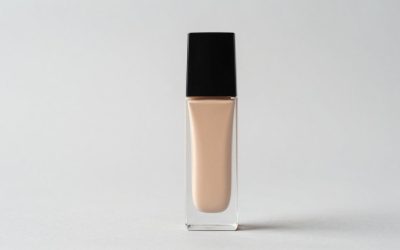
A Korean color-correcting tinted serum is a skincare-makeup hybrid: a lightweight serum-like formula with a sheer tint (often green, peach or lavender) that neutralizes redness, dullness or dark areas while caring for skin. It works best as a thin layer between skincare and sunscreen or makeup, giving a softer, more even look without the weight of full foundation. Formulas change quickly in this category, so we focus here on how to choose one rather than naming a single winner.
What is a Korean color-correcting serum for the face?
Korean beauty brands popularized the skincare-makeup hybrid: products that look and feel like skincare but leave a subtle cosmetic effect. A color-correcting serum fits that idea. It usually has a watery or gel-like texture, includes pigments or tinted particles, and often contains familiar skincare ingredients such as humectants or soothing extracts. The tint is there to adjust the look of your skin tone, not to cover it heavily.
Be realistic about two points. First, any benefit from the skincare ingredients depends on the formula and is generally mild. Second, the color effect is cosmetic: it temporarily changes how skin looks and does not treat redness, dark spots or any skin condition. Nothing here is medical advice.
Because we have not carefully researched every formula on the market, we are deliberately not ranking specific named products. Brands release, reformulate and discontinue products often, so check current formulas and ingredient lists on the brand’s own page before buying.
How do green, peach and lavender correctors work?
Color correction is based on the color wheel: opposite colors neutralize each other. A tint in the opposite shade to the thing you want to soften can cancel it out visually, instead of covering it with a heavy layer of foundation.
| Corrector shade | Typically used for | Why it works |
|---|---|---|
| Green | Redness, flushing, around blemishes | Green sits opposite red on the color wheel |
| Peach or orange | Blue or brown under-eye tones, dark patches (more visible on medium to deep skin) | Warm tones offset cool blue and brown |
| Lavender or purple | Sallow, yellowish, or dull skin | Purple sits opposite yellow |
| Yellow | Mild purple or blue tones | Yellow offsets purple |
| Pink or rose | Dullness on fair skin | Adds warmth and brightness |
Green correctors
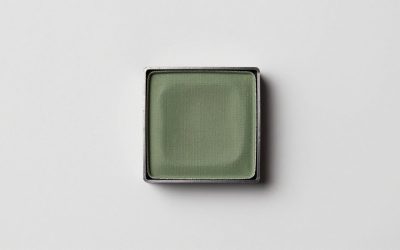
Green is the best-known option for redness. It can look slightly gray or ashy if you use too much, so start with a very small amount and blend thoroughly. It works best for general redness and less well as a standalone cover for deeper blemishes.
Peach correctors
Peach and orange tones are often used to neutralize bluish or brownish discoloration. Pick a depth that matches your skin: lighter peach on fair skin, a deeper warm tone on medium to deep skin. A peach that is too light on deeper skin can look chalky.
Lavender correctors
Lavender or purple brightens skin that looks yellow or tired. It can leave a slightly cool cast on skin with warm undertones, so test it in daylight.
How to choose the best Korean color-correcting tinted serum
Since specific formulas shift quickly, these criteria are more useful than a ranked list:
- Match the shade to your concern. Redness and flushing point to green. Dullness or yellowing point to lavender. Shadowy patches point to peach. If you are not sure, a sheer neutral-tinted option is a safer start.
- Check the sheerness. A tinted serum should be buildable. If the first swipe looks heavy, it will probably look heavy later in the day.
- Look for sunscreen details. Some skincare-makeup hybrids include SPF and some do not. Do not assume a tinted serum protects you. If it does not clearly state SPF and broad-spectrum protection, apply a separate sunscreen.
- Read the ingredient list for your triggers. Fragrance, essential oils and drying alcohols are common problem ingredients for sensitive skin.
- Consider your finish preference. Some are dewy, some are satiny, and some dry down semi-matte. Oily skin often prefers the latter.
- Check shade range. Many corrector products come in a single universal tint, which may not suit every depth of skin.
- Patch test. Pigments and preservatives can irritate some people.
When you read customer reviews, filter for people with similar skin tone and concern, since color-correcting results are very personal.
Korean color-correcting tinted serum reviews: what to expect
Across the category, you will see a similar mix of praise and complaints. People like the light feel, the quick no-makeup look and the way a thin layer can reduce the look of redness. Common complaints include a gray or pink cast on skin that does not match, transfer onto clothes, pilling when layered with certain products, and a limited shade range.
We would be wary of any review that promises permanent change in redness or dark circles. A tinted product changes appearance only while it is on your skin. If you see a persistent rash, burning redness or sudden pigment changes, those are reasons to talk to a doctor, not to reach for a tint.
Skincare and makeup hybrid layering order
Order matters because pigmented products can move around if layered on top of wet or oily products. A sensible routine in the morning is:
- Cleanser. Start with a clean face.
- Hydrating serum or essence, if you use one. Let it absorb for a minute.
- Moisturizer. A thin layer is enough. Skip heavy creams under tinted products, which can make them slide.
- Sunscreen, unless your tinted serum clearly provides enough SPF, and you apply the recommended amount.
- Color-correcting tinted serum, pressed on lightly with fingertips or a damp sponge. If the product is designed to go before sunscreen, follow its directions.
- Concealer or powder, only where you need extra coverage.
The exact position of the tinted serum varies by product. Some are designed to be applied on top of sunscreen, and others go underneath. Follow the brand’s directions, and let each layer settle for a minute before the next. If it pills, you are likely using too many products or too much product.
If you want a full base routine, see our step-by-step Korean routine from cleanser to sunscreen.
Application tips for a natural result
- Use less than you think. Pea-sized or even smaller for the whole face.
- Target, then blend. Dab on the area of concern first, such as around the nose or cheeks for redness, then blend outward with fingertips.
- Check in daylight. Bathroom lighting hides gray or pink casts.
- Use a damp sponge for a seamless finish, and a clean finger for a dewier one.
- Set only if needed. A little loose powder in the T-zone helps oily skin, but too much dulls the dewy effect.
- Remove at night. Pigmented products need to be fully cleansed off, so use a gentle cleanser, or double cleanse if your formula is long-wearing.
Matching correctors to skin tone and undertone
The same corrector can look very different across skin depths. On fair skin, a sheer green can cancel redness cleanly, but on deeper skin the same green may read gray. Deeper skin tones often do better with warmer peach or orange-leaning tints for dark patches, applied sparingly and blended well. Undertone matters too: lavender can brighten a sallow look but may look ashy over warm golden skin.
A simple way to test is to apply a small amount to the area of concern, blend, and check it in natural light after a minute. If the tint is still visible as a separate color, it is wrong for you or you used too much. If redness is not reduced at all, it may be too sheer, and a spot of concealer on top is a better fix than adding more tinted serum.
Common mistakes to avoid
- Skipping sunscreen. A tint is not sun protection unless the product states a verified SPF and you apply enough of it.
- Layering over heavy creams. Rich, oily layers make pigments slip and separate.
- Using the wrong shade for the concern. Green on a dull complexion adds nothing, and lavender on redness will not help much.
- Rubbing instead of patting. Rubbing lifts the layer underneath and causes pilling.
- Expecting repair. Any skincare benefit from a tinted serum is a bonus, not a replacement for a proper routine.
What about fem+ Korean colour correcting serum?
Searches for a fem+ Korean colour correcting serum come up often. We could not verify details of a specific product under that name, so we will not describe its ingredients or performance. If you find a listing, apply the same checks: read the full ingredient list on a trusted source, confirm the shade and finish, check whether it contains SPF, and buy from the brand or an authorized seller. Be cautious of listings with unclear branding or unrealistic claims.
Alternatives: tinted sunscreens and moisturizers
If a tinted serum feels like an extra step, other hybrids can do much of the same work with fewer products. Tinted sunscreens and tinted moisturizers add even-looking color while giving you a base layer you already need. Our guides to Korean tinted SPF moisturizers and coverage, tinted sunscreen for the face and the TIRTIR Milk Sun tinted SPF are good starting points. If your main concern is a dull complexion rather than redness, a vitamin C brightening serum addresses the skincare side, while a lavender tint handles the cosmetic side.
To browse what is currently available, try this Amazon search for Korean color-correcting tinted serums, and read the ingredient list and seller details before ordering.
Frequently Asked Questions
What is a Korean color-correcting serum for the face?
It is a lightweight skincare-makeup hybrid with a sheer tint that visually neutralizes redness, dullness or discoloration. The effect is cosmetic and temporary, and it does not treat skin conditions.
Which Korean color-correcting tinted serum is best?
The best option depends on your concern, skin tone and finish preference. Choose a green tint for redness, lavender for yellowish dullness and peach for shadowy patches, and check the current ingredient list and shade range before buying.
What do Korean color-correcting tinted serum reviews usually say?
Filter for reviewers with a skin tone and concern like yours. Common praise is the light feel and natural look, while common complaints are color casts, transfer and limited shades.
How do green, peach and lavender correctors work?
They use opposite colors on the color wheel to cancel unwanted tones. Green offsets red, peach offsets blue or brown, and lavender offsets yellow. Use a very small amount and blend well so the tint does not look gray or chalky.
What order should I layer a skincare-makeup hybrid?
Generally cleanser, hydrating serum, moisturizer, sunscreen, then the tinted serum, followed by concealer or powder if needed. Some products are designed to go before sunscreen, so follow the brand’s directions and let each layer settle.
This article is general information and not medical advice. Persistent redness, rashes or changing pigmentation should be checked by a doctor or dermatologist.