Last updated: November 22, 2026
- Quick answer
- How to choose
- NYX Professional Makeup Color Correcting Concealer Palette
- L.A. Girl HD Pro.Conceal, Peach Corrector GC994
- e.l.f. Camo Color Corrector, Peach
- Dr. Jart+ Cicapair Tiger Grass Color Correcting Treatment SPF 30
- Erborian CC Red Correct
- Who should skip
- FAQ
- Final verdict
- Product and ASIN Reference
A color corrector does one job: it lays an opposite shade over a discoloration so the two cancel out before concealer or foundation goes on top. Green tones down redness, peach and orange soften blue-toned dark circles, lavender lifts yellow sallowness, and yellow mutes purple shadows. Used in a thin layer, a corrector lets a lighter base do the rest, which usually looks more natural than piling on extra concealer. This guide compares five formats worth considering: a six-shade palette, two targeted tubes for under-eyes, and two green CC creams that correct redness across the whole face.
As an Amazon Associate, we earn from qualifying purchases.
Quick answer
For most people, the NYX Color Correcting Concealer Palette is the most flexible starting point because it covers redness, dullness and dark circles in one compact. If dark circles are the only concern, the L.A. Girl Pro.Conceal Peach Corrector or e.l.f. Camo Color Corrector targets them for less. For all-over redness, the Dr. Jart+ Cicapair Treatment and Erborian CC Red Correct blend correction with daily wear.
How to choose
Start with the color wheel. Match the corrector to the tone you want to neutralize, not to your skin tone: green for redness from blemishes or flushing, peach for blue-toned circles on light to medium skin, orange for darker circles on medium to deep skin, lavender for yellow sallowness, and yellow for purple shadows or veins. Depth matters as much as hue. A pale peach disappears on deep skin, while a saturated orange can look muddy on fair skin, so pick the intensity that matches how dark the discoloration is.
Format is the second decision. A palette suits anyone juggling several concerns or still learning which shade works where. A single tube or wand is cheaper and faster when one concern dominates. Green CC creams sit between makeup and skincare: they spread like a moisturizer, turn beige as they blend, and suit diffuse redness rather than a single spot.
Apply corrector in a thin layer and let it set briefly before adding concealer or foundation on top, tapping rather than rubbing so the pigment stays where it was placed. None of the products in this roundup is subject to a safety recall, but patch testing behind the jaw is still sensible for sensitive skin, and any corrector with sunscreen should be treated as a bonus rather than a full sun-protection plan.
NYX Professional Makeup Color Correcting Concealer Palette

The NYX Color Correcting Concealer Palette (model 3CP04) is the classic starter kit for color correction: six cream pans in one compact covering the full corrective range. Green targets redness, yellow covers purple-toned shadows, lavender brightens sallow or yellow areas, and a peach shade softens dark circles, while the two remaining pans are skin-toned concealers for blending edges or adding coverage once the correction is in place. The pans hold 9 grams of product in total, so each shade is sized for targeted dabbing rather than full-face use.
The cream texture spreads with a fingertip or a small brush and sits best when pressed in thin layers, since packing it on thickly is what makes correctors show through foundation later. Because all six shades live in one place, this palette is the most practical way to experiment: someone who flushes across the cheeks but also has blue-toned circles can test both fixes side by side instead of buying three separate tubes. It also travels well and removes the guesswork of building a kit shade by shade. The trade-off is that the two concealer pans may not match every skin tone, and anyone who only ever corrects one concern will leave most of the palette untouched.
L.A. Girl HD Pro.Conceal, Peach Corrector GC994

The L.A. Girl HD Pro.Conceal in Peach Corrector (shade GC994) is a single-purpose tube aimed squarely at dark circles. Peach sits opposite blue on the color wheel, so this shade is formulated to neutralize the blue and purple tones that show through thin under-eye skin on light to medium complexions. The 0.28-ounce tube has a built-in brush tip, which places a small amount of product exactly where it is needed and makes it easy to feather the edges before concealer goes over the top.
The formula is a lightweight cream that the brand describes as crease-resistant, and it is fragrance-free and cruelty-free. Peach is only one entry in a wider corrector lineup from the same range, which also includes green for redness, yellow for purple dullness, orange for deeper circles, lavender for sallowness and mint for redness on fairer skin, so matching a different concern later does not mean learning a new applicator or texture. That range is the main reason this tube suits beginners: the shade system is consistent, and each tube is small enough that buying the wrong one is a minor mistake. Expect targeted correction rather than heavy coverage; very dark circles will still need a concealer layered over it.
e.l.f. Camo Color Corrector, Peach

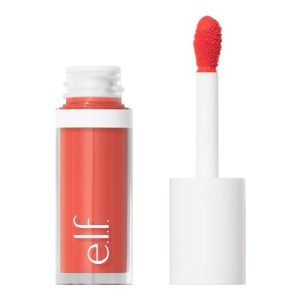
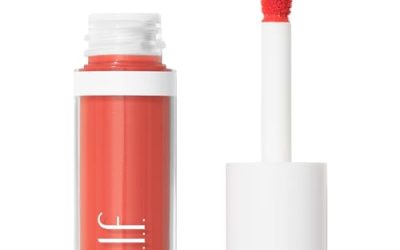
The e.l.f. Camo Color Corrector in Peach takes the same under-eye brief as the L.A. Girl tube but packages it in a wand format closer to a liquid concealer. The 0.09-fluid-ounce tube has a doe-foot applicator that lays down a satin-finish cream, and the formula is infused with hyaluronic acid, which makes it a comfortable pick for the dry, thin skin under the eyes where thicker creams can settle into fine lines. Like the other picks here, the peach shade is meant to cancel blue-toned darkness on light to medium skin before concealer is applied.
The Camo corrector range comes in five shades: green for redness, peach and orange for dark spots and circles at different skin depths, yellow for dullness, and blue for mixing into foundation that pulls too warm. The formula is vegan and cruelty-free. The small tube is the main limitation to plan around. It is well sized for spot work and handbags, but anyone correcting large areas daily will go through it quickly, and the doe-foot format is less precise than a brush tip for tiny blemishes. For under-eye circles on dry skin, though, the hydrating base and the low-commitment size make it an easy first corrector to try.
Dr. Jart+ Cicapair Tiger Grass Color Correcting Treatment SPF 30

The Dr. Jart+ Cicapair Tiger Grass Color Correcting Treatment is a green cream that changes to beige as it is blended, designed for redness that spreads across the cheeks, nose and chin rather than a single spot. The 1.69-fluid-ounce jar is built around Centella Asiatica, also called tiger grass, an ingredient the brand uses across its Cicapair line for sensitive, reactive skin. Capsules of green pigment burst during application and adapt toward a neutral beige, so the cream works as a light base on its own or as a correcting layer under foundation.
It also carries broad spectrum SPF 30 from mineral filters, which makes it a practical morning product for people whose redness flares with sun exposure, though the amount typically applied is thinner than a dedicated sunscreen layer. The finish is moisturizing rather than matte, suiting normal to dry skin better than oily skin. The honest limitation is shade range: the green-to-beige shift adapts best on light to medium skin tones and can read pale or ashy on deep skin, so deeper complexions are better served by the targeted orange correctors above. For fair, redness-prone skin, it remains the most complete single product in this roundup.
Erborian CC Red Correct

Erborian CC Red Correct is the tube-based counterpart to the Dr. Jart+ treatment, aimed at the same problem: everyday redness that makes skin look flushed before any makeup goes on. The 1.5-ounce tube dispenses a green cream with encapsulated pigments that release as the cream is massaged in, shifting toward a skin-like tint with an illuminating finish. Centella Asiatica is again the headline skincare ingredient, and the formula adds SPF 25 sun protection, positioning the product as a daily first step rather than an occasional fix.
The texture is lighter and more lotion-like than the Dr. Jart+ cream, which makes it easier to spread evenly and a better fit for combination skin or for anyone who dislikes the feel of a richer jar cream. It also layers cleanly as a primer, evening out red areas so foundation can be applied more sheerly over the whole face. Coverage is deliberately sheer: a single inflamed blemish will still show through and needs a targeted green corrector and concealer instead. As with the other green-to-beige creams, the tint adapts best on light to medium skin tones. For mild to moderate diffuse redness with a glow finish, it is the most wearable daily option here.
Who should skip
Skip color correctors entirely if the goal is full coverage on its own; correctors neutralize tone but are not designed to hide texture, raised blemishes or deep pigmentation without concealer or foundation over them. Anyone with deep skin should be cautious with the green-to-beige CC creams in this roundup, since both adapt best on light to medium tones and can leave a pale cast. If skin is mid-flare with broken or weeping patches, makeup of any kind is better paused until the area settles. And if only one small concern needs fixing, a full palette is unnecessary spending; a single targeted tube does the same job.
FAQ
Do I apply color corrector before or after foundation?
Before. Corrector goes onto clean, moisturized skin first, in a thin layer over the discolored area only. Let it settle for a moment, then tap concealer or foundation over it with a sponge or fingertip. Applying it after foundation usually means using more product, and rubbing during blending can drag the pigment sideways and undo the correction.
Which corrector color works best on dark circles?
It depends on both the circle color and skin depth. Peach cancels blue-toned circles on light to medium skin, while orange handles stronger blue and purple darkness on medium to deep skin. Yellow helps when circles lean purple and dull. The goal is neutralization, not brightness, so choose the shade opposite the tone you actually see in daylight.
Can a green corrector replace foundation?
For mild, widespread redness, a green CC cream can be enough on its own, especially on no-makeup days. It will not match the coverage of foundation on individual blemishes, broken capillaries or post-acne marks. Think of it as evening out the background so that less foundation is needed, rather than as a full replacement for it.
Why does my corrector look gray or ashy under concealer?
Usually too much product, or the wrong depth. A thick layer of peach or green leaves a cast that shows through anything placed over it, and a corrector that is too light for the skin tone turns dull once blended. Use less, keep it only on the discolored area, and let it set before layering. If the cast persists, the shade is likely too pale for your depth.
Final verdict
The right corrector depends on the concern. The NYX palette is the most versatile buy for anyone correcting more than one issue, while the L.A. Girl and e.l.f. peach tubes handle dark circles in a smaller, simpler format, with the e.l.f. wand suiting drier under-eyes. For redness across the whole face, Dr. Jart+ Cicapair offers the richest, most protective cream, and Erborian CC Red Correct gives a lighter, more illuminating take on the same idea. Start with the single concern that bothers you most and the thinnest layer that neutralizes it.
Product and ASIN Reference
| Product | ASIN |
|---|---|
| NYX Professional Makeup Color Correcting Concealer Palette | B00VF9Z7OE |
| L.A. Girl HD Pro.Conceal, Peach Corrector GC994 | B01LXJHM36 |
| e.l.f. Camo Color Corrector, Peach | B0BSP38HYN |
| Dr. Jart+ Cicapair Tiger Grass Color Correcting Treatment SPF 30 | B07DR5816K |
| Erborian CC Red Correct | B09TSS9XK6 |