Last updated: November 23, 2026
Disclosure: As an Amazon Associate, I earn from qualifying purchases.
Peptides show up in two very different packages: a watery serum you layer under everything else, and a cream that doubles as your moisturizer. If you are shopping for a peptide product, the format question usually matters more than the brand question, because it decides where the product sits in your routine, how much hydration comes with it, and whether you need to buy a second product to finish the job. This comparison breaks down the real differences, then lines up three peptide creams and two peptide serums with verified listings so you can pick the format that fits your skin and your routine.
One expectation check before the products: “peptide” is a family name, not a single ingredient. Signal peptides, carrier peptides such as copper peptides, and neurotransmitter peptides are marketed for different jobs, and the human evidence behind all of them is modest and mostly based on small studies. A peptide product is best judged as a well-formulated moisturizer or serum first, and as a peptide delivery system second.
The Core Difference
A peptide serum is a concentrated, water-based layer. It goes on after cleansing and toning, absorbs quickly, and leaves the actual moisturizing to whatever you apply over it. That makes a serum the flexible option: you can pair it with a rich cream in winter, a light gel in summer, and it fits easily into a routine that already has a moisturizer you like. The trade-off is that a serum alone rarely gives dry skin enough water-loss protection, so most people still need a cream on top.
A peptide cream folds the peptides into your final moisturizing step. The formula carries emollients and occlusives alongside the peptides, so it hydrates, softens, and seals in the layers underneath in one product. That makes a cream the simpler option: one jar can replace both a peptide serum and a plain moisturizer. The trade-off is less flexibility — the texture is fixed, richer creams can feel heavy on oily skin, and you cannot easily wear it under another moisturizer.
Neither format is proven to deliver peptides “better” in a way that shows up in independent head-to-head research. What differs in practice is concentration style (serums tend to lead with the peptide blend; creams balance it against moisturizing ingredients), texture, and how the product behaves with the rest of your routine.
How to Choose
- Start with what your routine is missing. If you already own a moisturizer you love, a serum adds peptides without changing it. If your current moisturizer is a basic one you want to upgrade, a peptide cream replaces it in one step.
- Match texture to skin type. Dry and mature skin usually prefers the cream format or a serum sealed under a rich cream. Oily and combination skin often does better with a lightweight serum plus a gel moisturizer.
- Read the peptide names, not the count. Labels rarely disclose concentrations, so a formula listing six peptides is not automatically stronger than one listing two. Look for recognizable, studied peptides such as Matrixyl (palmitoyl peptides), copper tripeptide-1, or acetyl hexapeptide-8, and treat long lists as marketing until proven otherwise.
- Judge the base formula. In a cream, the moisturizing ingredients do the proven work of hydration and barrier support, so ceramides, squalane, glycerin, and panthenol are good signs. In a serum, humectants such as hyaluronic acid carry the hydration.
- Keep claims in proportion. Any firming benefit is an appearance effect built up over weeks of consistent use. No cream or serum lifts, rebuilds, or restructures skin, and neither format replaces a retinoid for well-studied results or sunscreen for prevention.
The Products
Drunk Elephant Protini Polypeptide Cream

Specs
- Format: Gel-cream moisturizer in an airless pump jar
- Size: 50 mL / 1.69 fl oz
- Key peptides: 9 signal peptides, including palmitoyl tripeptide-1 and palmitoyl tetrapeptide-7
- Supporting ingredients: Amino acid blend, pygmy waterlily stem cell extract, marula oil, sodium hyaluronate
- Formula notes: Fragrance-free, essential-oil-free, silicone-free, pH 4.0
Protini is the reference point for peptide creams: a firm gel-cream that moisturizes properly while leading with its peptide complex. The airless pump keeps the jar hygienic and dispenses a measured amount. Its texture suits normal to dry skin best, and it layers cleanly over a hydrating serum if you want both formats in one routine.
Naturium Multi-Peptide Moisturizer

Specs
- Format: Lightweight cream moisturizer in a tube
- Size: 1.7 fl oz
- Key peptides: Multi-peptide blend including palmitoyl tripeptide-5 and palmitoyl tripeptide-1
- Supporting ingredients: Encapsulated ethylated vitamin C, panthenol, niacinamide, squalane
- Formula notes: Fragrance-free, paraben-free, pH 4.80–5.80
Naturium’s cream is the straightforward everyday option: a mid-weight moisturizer that absorbs quickly, works under sunscreen and makeup, and adds a vitamin C derivative alongside the peptides. It is a sensible pick if your skin runs normal to combination and you want the peptide step and the moisturizer step handled by one tube.
The INKEY List Peptide Moisturizer

Specs
- Format: Fast-absorbing day and night cream
- Size: 50 mL / 1.69 fl oz
- Key peptides: 2% Royal Epigen P5 (pentapeptide-48) and 1% hydrating peptide solution (acetyl hexapeptide-37)
- Supporting ingredients: Caprylic/capric triglyceride emollient base
- Formula notes: Vegan, positioned for all skin types, best for dry skin
The INKEY List entry is notable for doing what most peptide products avoid: printing actual percentages for its two peptides. That transparency does not prove the formula outperforms blends with undisclosed levels, but it makes comparison honest. The cream itself is a simple, nourishing moisturizer suited to dry skin and twice-daily use.
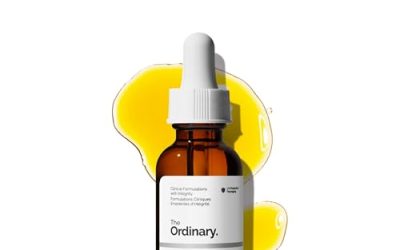
The Ordinary Multi-Peptide + HA Serum

Specs
- Format: Water-based serum in a dropper bottle (formerly sold as “Buffet”)
- Size: 30 mL / 1 fl oz
- Key peptides: Matrixyl 3000 and Matrixyl Synthe’6 complexes, Argireline (acetyl hexapeptide-8), Relistase peptide complex
- Supporting ingredients: Hyaluronic acid, amino acids, bio-derivatives
- Formula notes: Alcohol-free, oil-free, fragrance-free, vegan
On the serum side, this is the classic multi-peptide formula: several well-known peptide complexes in a light, layerable base with hyaluronic acid for surface hydration. It slides under any moisturizer, which makes it the easiest way to test whether peptides earn a place in your routine without giving up your current cream. It provides little moisture on its own, so dry skin must seal it in.
COSRX The 6 Peptide Skin Booster Serum

Specs
- Format: Lightweight booster serum/essence in a pump bottle
- Size: 150 mL / 5.07 fl oz
- Key peptides: Six peptides including copper tripeptide-1, palmitoyl pentapeptide-4, and acetyl hexapeptide-8
- Supporting ingredients: Niacinamide, hyaluronic acid, N-acetylglucosamine, amino acids
- Formula notes: Fragrance-free, designed as the first step after cleansing
COSRX’s booster is the value-format outlier: a large, watery first-step bottle that pairs six peptides with niacinamide for tone and texture. The thin texture suits oily and combination skin and layers under everything, including a peptide cream on drier days. Because it is used generously like an essence, the big bottle is the point — it is built for twice-daily, face-and-neck application.
Usage and Buying Notes
Apply a peptide serum after cleansing and any watery toner, then follow with moisturizer. A peptide cream goes on as the moisturizer step itself, after serums. Either format can be used morning and night, and peptides are generally well tolerated, including alongside vitamin C and niacinamide. If you use a retinoid, peptides are a comfortable pairing on the same night for many people, since the cream format in particular can buffer dryness — but introduce one new product at a time so you can identify the cause if irritation appears.
Give any peptide product eight to twelve weeks of consistent use before judging it; the studies behind cosmetic peptides run that long, and the realistic outcome is skin that looks smoother and feels better hydrated, not visibly lifted skin. Buy from listings that show the full ingredient list, and be skeptical of any product that promises structural change, “Botox in a jar” results, or percentages for a trademarked blend without naming the actual peptide levels.
FAQ
Can I use a peptide cream and a peptide serum together?
Yes, and the combination is reasonable: the serum delivers a concentrated peptide layer and the cream seals it in while moisturizing. It doubles your peptide exposure, though brands rarely disclose concentrations, so more products do not guarantee proportionally more benefit.
Which format is better for oily skin?
Usually the serum. A water-based peptide serum adds no grease and lets you finish with a light gel moisturizer. If you prefer a cream, choose a gel-cream texture rather than a rich balm-style formula.
Do peptides replace retinol?
No. Retinoids have a much deeper evidence base for visible signs of aging. Peptides are better seen as a gentle supporting step — useful if your skin does not tolerate retinoids, or as a complement to one — and neither peptides nor retinol replaces daily sunscreen.
How long do peptides take to show results?
Expect weeks, not days. Most cosmetic peptide studies run eight to twelve weeks, and the changes reported are gradual improvements in the appearance of firmness and smoothness, alongside the immediate hydration any good moisturizer or serum provides.
Are peptide creams and serums safe for sensitive skin?
Peptides are among the better-tolerated active ingredients and are usually suitable for sensitive skin. The surrounding formula matters more: check for fragrance and drying alcohols, and patch test a new product on a small area for a few days first.
Conclusion
Choose the peptide cream if you want one product that moisturizes and carries peptides in a single step — Protini for a firm gel-cream, Naturium for an everyday tube, The INKEY List for disclosed percentages. Choose the peptide serum if you already like your moisturizer or your skin leans oily — The Ordinary for a classic multi-complex formula, COSRX for a generous first-step booster. Either way, judge the product as skincare, not surgery: good hydration, comfortable skin, and gradual appearance improvements are the honest promise of the peptide format you pick.