Our Short List of 3

All 4 Picks at a Glance
| Product | Specs | Action |
|---|---|---|
 Aquaphor Baby Diaper Rash Cream, 3.5 oz Tube, Pack of 3 | Check price on Amazon | |
 Weleda Baby Calendula Diaper Cream, 2.8 Fluid Ounce | Check price on Amazon | |
| Babo Botanicals Sensitive Baby Fragrance-Free Diaper Cream, 25 percent Natural Zinc Oxide, 6 Ounce Jar | Check price on Amazon | |
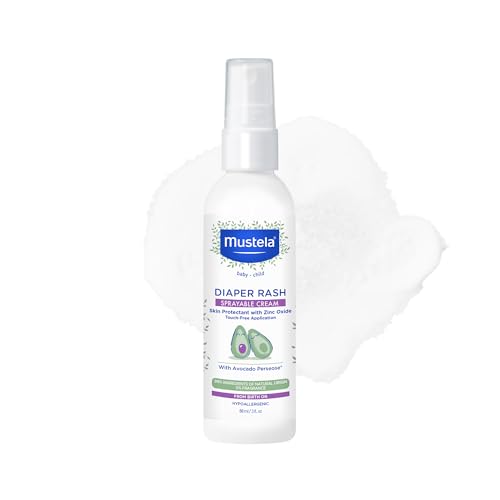 Mustela Baby Diaper Rash Cream Spray – Touch-Free protectant with Zinc Oxide & Natural Avocado – Treats, Soothes and Prevents Diaper Rash- Fragrance-Free – 3 fl. oz | Check price on Amazon |
Last updated: November 29, 2026
- Quick answer
- Boudreaux’s Butt Paste Maximum Strength Diaper Rash Cream, 4 oz Tube
- Aquaphor Baby Diaper Rash Cream, 3.5 oz Tube, Pack of 3
- Weleda Baby Calendula Diaper Cream, 2.8 Fluid Ounce
- Babo Botanicals Sensitive Baby Fragrance-Free Diaper Cream, 25 percent Natural Zinc Oxide, 6 Ounce Jar
- Mustela Baby Diaper Rash Cream Spray – Touch-Free protectant with Zinc Oxide & Natural Avocado – Treats, Soothes and Prevents Diaper Rash- Fragrance-Free – 3 fl. oz
- How to choose
- Who should skip
- FAQ
- Final verdict
- Product and ASIN Reference
A diaper cream has one job: keep wetness away from irritated skin while the rash heals. Zinc oxide is the ingredient that does most of that work, forming a barrier that stays on through wetness and wiping. The five creams below all use zinc oxide, but they differ in strength, texture, scent, and format, from a thick maximum-strength paste to a touch-free spray. Choose by how red the skin already is, how sensitive the baby is to fragrance, and whether you want a tube, a jar, or a spray.

As an Amazon Associate, we earn from qualifying purchases.
Quick answer
For most families, Boudreaux’s Butt Paste Maximum Strength is the first tube to reach for when a rash is already red, while Aquaphor Baby covers everyday changes in a three-pack. Weleda Calendula suits parents who want a plant-based cream, Babo Botanicals suits fragrance-free routines, and the Mustela spray suits touch-free application on sore skin.
Boudreaux’s Butt Paste Maximum Strength Diaper Rash Cream, 4 oz Tube
Boudreaux’s Butt Paste Maximum Strength is the thickest paste in this guide, and that thickness is the point. A maximum-strength zinc oxide paste stays where it is spread, coating red and irritated skin with a visible layer that wetness has to get through before it reaches the skin. The 4 oz tube is the standard changing-table size, large enough to last through a bad rash week without running out, and small enough to fit in a diaper bag pocket for changes away from home.
The paste spreads best on clean, dry skin, smoothed on in a thin layer rather than piled on thick. Because it is a paste rather than a lotion, it can feel stiff straight from the tube on a cold morning, so warming a small amount between the fingers first helps it spread evenly. The formula is made for diaper rash specifically, not as a general moisturizer, so it belongs in the routine only when the diaper area needs protection or healing. Keep the cap closed between uses, since a paste left open dries at the tip and becomes harder to squeeze.
Aquaphor Baby Diaper Rash Cream, 3.5 oz Tube, Pack of 3
Aquaphor Baby Diaper Rash Cream takes the gentler route in this guide, pairing zinc oxide with the brand’s familiar healing ointment base. The result is a cream that spreads more easily than a thick paste and feels less heavy on the skin, which makes it a good everyday choice for prevention at each change rather than a rescue product for an already angry rash. The pack of three 3.5 oz tubes is the practical detail here: one tube lives on the changing table, one goes in the diaper bag, and one stays as a spare, so the cream is always where the change happens.
Each tube is a manageable size for one-handed squeezing while the other hand holds a wiggly baby still, and the flip-top style cap opens without fumbling. The cream works as a barrier at every change, and it also suits the skin folds where moisture collects, such as the neck and thigh creases after a bath. Because it is lighter than a maximum-strength paste, it washes off more easily at the next change, which matters when the skin is already sore and wiping hurts. Families who use cream at every change will value the three-pack format most, since a single tube disappears quickly at that pace.
Weleda Baby Calendula Diaper Cream, 2.8 Fluid Ounce
Weleda Baby Calendula Diaper Cream is the plant-based pick in this guide, built around calendula extract with zinc oxide at 12 percent. Calendula is the flower extract Weleda has used in baby care for decades, and here it sits alongside the barrier ingredient rather than replacing it, so the cream still does the core job of keeping wetness off irritated skin. The 2.8 fluid ounce tube is the smallest single tube here, which suits a trial purchase or a diaper bag, though families who use it daily will reorder sooner than with the larger tubes.
The cream has a smooth texture that spreads without the stiffness of a maximum-strength paste, and the calendula gives it a mild herbal scent that fades quickly after application. It is made for the diaper area at every change, and it also works on dry patches elsewhere, such as cheeks in cold weather, which makes the small tube more versatile than its size suggests. Apply it to clean, dry skin in a thin layer, and let it sit rather than rubbing it in hard, since the barrier works best as a film on the surface. Parents who read ingredient lists closely will appreciate that the formula leans on a short list of recognizable plant ingredients.
Babo Botanicals Sensitive Baby Fragrance-Free Diaper Cream, 25 percent Natural Zinc Oxide, 6 Ounce Jar
Babo Botanicals Sensitive Baby Fragrance-Free Diaper Cream is the fragrance-free pick in this guide, with zinc oxide at 25 percent in a 6 ounce jar. The higher zinc oxide content puts it between the everyday creams and the maximum-strength pastes on strength, while the fragrance-free formula suits babies whose skin reacts to scented products. The jar format is the trade-off to weigh: a wide jar makes it easy to scoop a generous amount with a fingertip, but it also means dipping fingers into the product, so clean hands matter more than with a tube.
The cream is thick enough to stay put on red skin through a wet diaper, and the 6 ounce size lasts longer than the smaller tubes here, which suits families who use a barrier cream at most changes. Because it has no added fragrance, it layers well with unscented lotions and washes without adding another scent to the routine. The jar lid screws on securely, which keeps the cream from drying out between uses, though it is less convenient than a tube for one-handed application during a change. Choose this one when fragrance is the concern and a strong barrier is still the priority, and keep a clean spatula or freshly washed hands nearby for scooping.
Mustela Baby Diaper Rash Cream Spray – Touch-Free protectant with Zinc Oxide & Natural Avocado – Treats, Soothes and Prevents Diaper Rash- Fragrance-Free – 3 fl. oz
Mustela Baby Diaper Rash Cream Spray is the only spray in this guide, and its format is the reason to choose it. The touch-free application means no rubbing on skin that is already sore: hold the bottle four to six inches from the skin, spray, and the zinc oxide cream lands as a light layer without a fingertip ever touching the rash. The active ingredient is non-nano zinc oxide at 14.9 percent, supported by natural avocado, shea butter, chamomile, and calendula, and the formula is fragrance-free.
The 3 fl. oz bottle is a travel-friendly size that fits a diaper bag, and the spray format suits quick changes and squirming babies who will not hold still for a tube. Because it sprays on thin, it works best as a preventive layer at each change and for mild redness, rather than as a thick coating over a severe rash, where a paste stays put longer. Shake the bottle well before use, spray from the stated distance, and keep it away from the face and eyes, as with any spray near a baby. The model number is MTL10381, and the listing describes the formula as made with 99 percent ingredients of natural origin.
How to choose
Start with how red the skin is right now. A rash that is already red and sore calls for a thicker barrier, such as a maximum-strength paste or a higher zinc oxide cream, applied in a visible layer. Skin that is only slightly pink, or healthy skin you want to keep that way, does fine with a lighter everyday cream. Next, decide on format. Tubes are the easiest for one-handed changes, jars give the most product for the money but need clean hands, and a spray avoids touching sore skin altogether. Then check fragrance: unscented formulas suit newborns and scent-sensitive households. Finally, match the size to your routine. A three-pack covers the changing table, the diaper bag, and a spare in one purchase, while a single small tube is the right way to try a new brand before committing.
Who should skip
Skip diaper cream altogether on healthy, unbroken skin if you prefer to keep the routine minimal, since a barrier cream is a treatment and a preventive, not a daily requirement for every baby. Skip thick pastes if the skin is broken or looks infected, and ask a pediatrician instead, because a paste over broken skin can trap moisture where it should not be. Skip scented creams if your baby has reacted to fragrance before, and skip jar formats if you change diapers one-handed and cannot keep a scoop clean. Skip sprays if you cannot keep the mist away from the face.
FAQ
How much diaper cream should I apply at each change?
Apply a thin, even layer over clean, dry skin, enough to see a light coating but not so much that it piles up in the folds. A pea-sized amount covers a small area, and a larger rash needs a little more. Reapply at every change while the rash is active, and wipe the old layer away gently before putting on a fresh one.
Can diaper cream be used on every diaper change?
Yes, a zinc oxide cream can be used at every change as a preventive barrier, and many families do exactly that. Lighter creams suit daily prevention, while thicker pastes are better saved for redness or flare-ups. If the skin stays healthy without cream, you can use it only when redness appears.
Is a spray diaper cream as effective as a paste?
A spray gives a thinner, lighter layer than a paste, so it suits prevention and mild redness, and it avoids rubbing sore skin. A paste gives a thicker, longer-lasting coating that suits an established rash. Both use zinc oxide as the barrier ingredient, so the difference is coverage and thickness, not the active ingredient itself.
When should I call a pediatrician about diaper rash?
Call if the rash does not improve after a few days of barrier cream, if the skin blisters, bleeds, or looks infected, if the baby has a fever, or if the rash spreads beyond the diaper area. A rash that keeps returning despite cream and frequent changes is also worth a call, since another cause may need treatment.
Final verdict
For an established rash, Boudreaux’s Butt Paste Maximum Strength gives the thickest barrier in this guide. For everyday changes, Aquaphor Baby in the three-pack is the easiest routine to keep up, and Weleda Calendula suits parents who want a plant-based cream. Babo Botanicals is the fragrance-free choice with a strong zinc oxide content, and the Mustela spray is the pick when touching sore skin is the problem. Match the cream to the redness in front of you, apply it to clean, dry skin, and any of these five will do the job.
Product and ASIN Reference
| Product | ASIN |
|---|---|
| Boudreaux’s Butt Paste Maximum Strength Diaper Rash Cream, 4 oz Tube | B00569GU18 |
| Aquaphor Baby Diaper Rash Cream, 3.5 oz Tube, Pack of 3 | B00Q2MYU9W |
| Weleda Baby Calendula Diaper Cream, 2.8 Fluid Ounce | B000V3MFUY |
| Babo Botanicals Sensitive Baby Fragrance-Free Diaper Cream, 25 percent Natural Zinc Oxide, 6 Ounce Jar | B0D4FC15XT |
| Mustela Baby Diaper Rash Cream Spray – Touch-Free protectant with Zinc Oxide & Natural Avocado – Treats, Soothes and Prevents Diaper Rash- Fragrance-Free – 3 fl. oz | B09ZQ5TF4N |