Last updated: October 22, 2026
- Quick comparison of eco-friendly electric toothbrush options
- Best overall: SURI Sonic Toothbrush
- Best for repairability: Bamtoo
- Best easy battery swap: Quip Original Sonic
- Best compostable heads: Etee
- Best low-waste upgrade: keep your handle, change the heads
- How to choose an eco-friendly electric toothbrush
- Common mistakes
- Decision matrix: which eco-friendly brush fits you
- What wears out first
- Frequently Asked Questions
The best eco-friendly electric toothbrush is one that keeps its handle for years and only swaps small parts: a replaceable battery, a recyclable or compostable head, and plant-based bristles where available. SURI, Bamtoo and Quip are the brands most often named for that approach, while a standard Philips Sonicare or Oral-B handle fitted with compostable third-party heads is the lowest-waste option if you already own one.
No electric toothbrush is fully natural, because a motor and battery need a waterproof, sealed body. “Eco-friendly” really means less waste over the life of the brush, so this guide focuses on repairability, battery access, head materials and take-back programs rather than marketing claims. This is general information, not dental advice; ask your dentist which brush motion suits your gums.
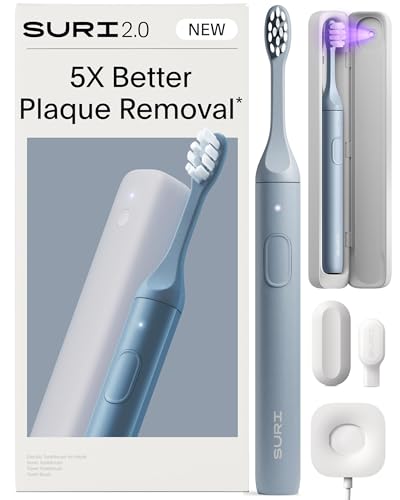
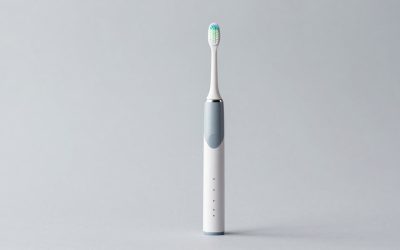
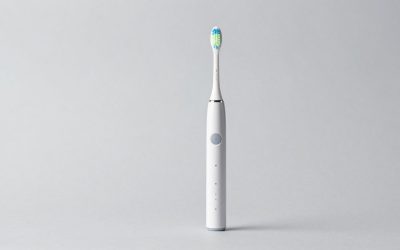
SURI Pro Sonic Electric Toothbrush | Over 4+ Weeks Battery | UV Cleaning Travel Case | Pressure Sensor | Aluminium Body | 2-Minute Timer | Plant-Based Head | Blue
Included for 'Best Eco-Friendly Electric Toothbrushes in 2026' because the listing specifies Over 4+ Weeks Battery and UV Cleaning Travel Case, details this guide uses to compare options.
View on Amazon
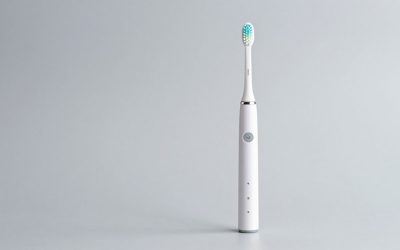
SURI Pro Sonic Electric Toothbrush | Over 4+ Weeks Battery | Pressure Sensor | Aluminium Body | 2-Minute Timer | Plant-Based Head | Green
Included for 'Best Eco-Friendly Electric Toothbrushes in 2026' because the listing specifies Over 4+ Weeks Battery and Pressure Sensor, details this guide uses to compare options.
View on Amazon
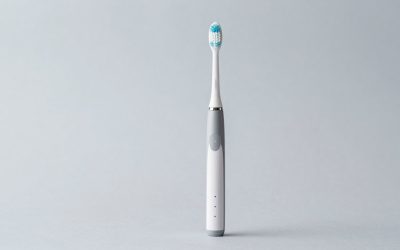
SURI NEW Core Sonic Electric Toothbrush | Up to 4 Weeks Battery | Travel Head Cover | Pressure Sensor | Bio-Based Body* | 2-Minute Timer | Plant-Based Head - Green
Included for 'Best Eco-Friendly Electric Toothbrushes in 2026' because the listing specifies Up to 4 Weeks Battery and Travel Head Cover, details this guide uses to compare options.
View on Amazon
SURI Pro Sonic Electric Toothbrush | Over 4+ Weeks Battery | Pressure Sensor | Aluminium Body | 2-Minute Timer | Plant-Based Head | Blue
Included for 'Best Eco-Friendly Electric Toothbrushes in 2026' because the listing specifies Over 4+ Weeks Battery and Pressure Sensor, details this guide uses to compare options.
View on AmazonQuick comparison of eco-friendly electric toothbrush options
| Pick | Best for | Body material | Power source | Head / bristles | Price range |
|---|---|---|---|---|---|
| SURI Sonic Toothbrush | Best overall | Aluminum | Rechargeable, 40+ days per charge, replaceable battery per the brand | Recyclable plant-based heads, return program | Premium |
| Bamtoo Electric Toothbrush | Best for repairability | Bamboo and bioplastic handle | Replaceable battery | Replaceable bamboo-based heads | Mid to premium |
| Quip Original Sonic (AAA) | Best easy battery swap | Aluminum or plastic | One AAA battery, about 3 months | Replaceable head every 3 months | Budget to mid |
| Etee Electric Toothbrush | Best compostable heads | Recyclable body | Rechargeable, about a month per charge | Bamboo heads, castor-oil bristles | Mid to premium |
| Sonicare or Oral-B handle plus compostable heads | Best low-waste upgrade | Plastic, 5-7 year handle life | Rechargeable | Third-party bamboo heads | Budget to mid |
Best overall: SURI Sonic Toothbrush
SURI is the brand named most often in sustainable-brush roundups. It uses an aluminum body, plant-based bristles and head material that the brand says is recyclable, plus a free take-back program for used heads. Battery life is quoted at over 40 days per charge, and the brand states the battery can be replaced rather than the whole brush discarded.
Who it suits: people who want a design-forward brush and are willing to pay more for a repair-and-return system. Trade-off: it is one of the most expensive options here, and the take-back program only helps if you actually mail the heads back. Check the brand’s current terms before buying, because return policies change.
Best for repairability: Bamtoo
This German brand builds the handle to last and sells replacement batteries and heads, so a worn battery does not mean a landfill-bound brush. The heads combine bamboo with bioplastic, so check the product page for the exact bristle material on the model you choose.
Who it suits: buyers who care most about the product lasting a decade. Trade-off: bamboo is not waterproof by itself, so keep the brush dry between uses and do not leave it standing in water. Availability and shipping depend on your region.
Best easy battery swap: Quip Original Sonic
The Quip Original runs on a single AAA battery that you can replace in seconds, with a stated battery life of over three months, per the manufacturer. The metal version has an aluminum handle; a plastic version also exists. Its head is a snap-on piece you replace roughly every three months, and it has a built-in two-minute timer with 30-second pulses.
Quip also sells rechargeable and smart models, but for waste reduction the AAA version is the simplest: you keep the handle and throw away only a small head and a battery you can swap for a rechargeable cell. The metal handle also gives it a longer expected life than a thin plastic one.
Trade-off: the heads are mostly plastic, so you are not getting a compostable part. If you want that, pair this with a long-life habit and recycle where your local program allows.
Best compostable heads: Etee
Etee uses bamboo heads with castor-bean-oil bristles, which are among the few genuinely plant-based bristle options, and claims about a month per charge. The body is described as recyclable. Some listings disagree on pricing, so confirm on the brand site.
Who it suits: people who want the head itself to break down at end of life. Trade-off: compostable usually means industrial or home composting conditions, not tossing it in the bin, and bamboo heads need a thorough rinse and dry to last.
Best low-waste upgrade: keep your handle, change the heads
A Philips Sonicare or Oral-B handle can run for five to seven years, and several third-party companies make bamboo or compostable heads that fit common Sonicare-style connectors. Buying heads only avoids manufacturing a new handle, which is often the biggest environmental cost. Make sure the head matches your handle’s connector, and confirm the bristle material.
Trade-off: third-party heads may not match the original’s pressure-feedback or wear-indicator behavior, and fit varies by handle generation.
How to choose an eco-friendly electric toothbrush
Look at handle lifespan first
A handle you keep for 7 years beats three handles bought in 7 years, whatever they are made of. Metal or sturdy plastic bodies and warranties of two years or more are good signs.
Check battery access
Replaceable batteries (AAA or a screw-in cell) are better than sealed lithium cells that make the whole unit disposable when they fade. Rechargeable brushes at around 30 days per charge are fine if the maker offers repair or battery replacement.
Compare head materials honestly
“Bamboo head” often means a bamboo-fiber shell with plastic or nylon bristles. Look for castor-oil or plant-based bristles, and note whether the head is recyclable, home-compostable or industrially compostable.
Work out waste per year
Replacing a head every 3 months means four heads a year. Over a 5 year handle life that is 20 heads, so head material matters more than handle material for long-term waste. A compostable or recyclable head cuts that pile directly.
Match brush motion to your mouth
Sonic brushes vibrate side to side at high speed and suit most adults; oscillating-rotating heads clean one tooth at a time. If you have sensitive gums or braces, ask your dentist, because an eco-friendly brush that hurts you will end up unused.
Common mistakes
- Assuming a bamboo handle means the whole brush is compostable. The motor, battery and seals are not.
- Replacing heads on a rigid schedule when bristles are still straight, or keeping them too long once they flare. Around 3 months suits most people.
- Throwing batteries in the trash. Take them to a local battery drop-off.
- Believing “biodegradable” has no conditions. Many items only break down in industrial composting.
Decision matrix: which eco-friendly brush fits you
| Your situation | Best choice | Why |
|---|---|---|
| Already own a Sonicare or Oral-B handle | Keep it, switch to compostable heads | No new handle is manufactured |
| Want a cheap, simple start | Quip Original Sonic with AAA battery | Lowest entry cost, swappable battery |
| Want repair and take-back | SURI or Bamtoo | Replaceable battery and head systems |
| Want head to compost | Etee | Bamboo head, castor-oil bristles |
| Travel a lot | AAA-powered brush | No charger, a spare battery weighs almost nothing |
What wears out first
On nearly every electric brush the head wears first, usually within three months, followed by the battery after several years, then the seals around the neck. Gaskets can let water reach the motor if the head is never removed for cleaning, so pull the head off once a week, rinse the neck and let both dry separately. A brush that is cleaned this way tends to reach its full expected life, which is the single biggest eco benefit you control.
Also think about packaging and shipping. Subscription head refills in small cardboard envelopes produce less waste than blister packs, and buying a multi-pack reduces shipments. Whichever brand you choose, keep the old heads out of the general trash if the maker offers a return mailer.
Frequently Asked Questions
Is there a fully biodegradable electric toothbrush?
No. The motor, battery and electronics require a sealed body, so only parts such as the head can be bamboo or compostable. Choose a brand that lets you replace the battery and head to keep waste low.
Are bamboo electric toothbrush heads worth it?
They can be, if the bristles are plant-based and you have composting access. Many bamboo heads still use nylon bristles, so read the specification before you assume they are fully compostable.
How often should I replace an electric toothbrush head?
Most manufacturers say every three months, or sooner if the bristles flare or fray. Replacing on time matters for cleaning performance more than the head material does.
Is a metal toothbrush handle more sustainable?
Often, because aluminum handles tend to last longer than thin plastic ones and can be recycled at end of life. The benefit disappears if you replace the handle every year.
Can I recycle my electric toothbrush?
Not in regular curbside recycling, since it combines plastics, metals and a battery. Use the brand’s take-back program if it has one, or an electronics recycling drop-off.
Are cheaper battery brushes less eco-friendly?
Not necessarily. A battery-powered handle with a replaceable AAA cell can last years, while a cheap sealed brush may be thrown away when the battery dies. Check whether the battery can be swapped.