Last updated: November 23, 2026
Disclosure: As an Amazon Associate, I earn from qualifying purchases.
If your manicure chips at the tips by day three, the problem usually is not your color — it is the layer underneath it. A base coat does three jobs at once: it gives polish something to grip, smooths over small ridges so color sits evenly, and forms a barrier that helps keep dark pigments from staining the nail plate. Skipping it is the most common reason a careful home manicure wears unevenly.
Not all base coats work the same way, though. Some are built around grip, using a slightly tacky or rubberized finish that holds onto lacquer. Others lean into nail care, adding ingredients like biotin or vitamins so the nail feels stronger while you wear color. A few double as a top coat. This guide compares five well-known base coats across those styles and covers the application habits that matter just as much as the formula. Where a brand states a wear time, treat it as the brand’s own claim — real-world wear depends on prep, nail condition, and how hard your hands work each day.
How to Choose a Base Coat
Start with your main problem. If polish peels off in sheets, you need grip: look for a rubberized or “sticky” base coat designed for adhesion. If your nails feel thin or bendy under polish, a strengthening base coat with ingredients such as biotin is the better match. If deep reds and blues leave your nails looking yellow after removal, prioritize a barrier formula that specifically mentions stain prevention.
Check the finish it leaves. Ridge-filling base coats dry slightly thicker and more opaque, leveling out uneven nail surfaces so shimmer and cream polishes look smooth. Standard clear base coats dry thin and are better when your nail surface is already even, or when you wear sheer colors that a milky base might alter.
Match it to your polish system. Regular lacquer base coats are made for air-dry polish. Gel-effect and longwear lines often have their own paired base coats, formulated to work together; if you use a gel-effect color, the matching base from the same line is the safer bet for the wear the brand claims.
Look at the brush and bottle size. A wide, rounded brush makes it easier to cover the nail in two or three strokes without flooding the cuticle. Most bottles here hold around half an ounce, which lasts through many manicures because base coat goes on thin.
Mind the ingredient list if that matters to you. Several formulas below are vegan or “free-from” blends that leave out ingredients such as formaldehyde or toluene. That is a preference choice rather than a performance one, but it is labeled on each pick so you can decide.
The 5 Best Base Coats
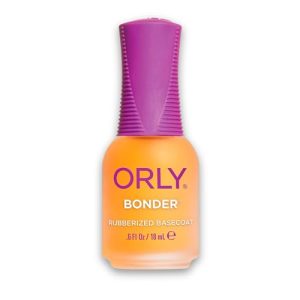
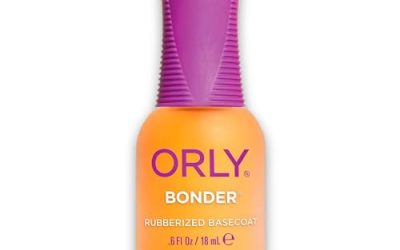
1. Orly Bonder Rubberized Base Coat

Orly Bonder is the grip specialist of this group. Its rubberized formula dries to a slightly tacky finish that is designed to hold lacquer onto the nail surface, which makes it a favorite for people whose polish normally peels or lifts at the free edge. It goes on clear and thin, so it works under any color, including sheers, without changing how the shade looks.
Specs
- Size: 0.6 fl oz bottle
- Formula type: rubberized adhesion base coat
- Finish: clear, slightly tacky when dry
- Use: under regular nail lacquer
- Brand positioning: formulated for long-lasting manicures and pedicures
Bonder is a one-job product — not a strengthener or a top coat — but that focus is its strength. If adhesion is your issue, this is the most direct answer here. Apply one thin coat and let it dry until tacky rather than wet before adding color.
2. essie Strong Start Base Coat

Strong Start is essie’s strengthening entry, built around biotin and aimed at nails that feel weak or prone to splitting under polish. It also has a ridge-filling quality, so it smooths the nail surface as it goes on, giving cream polishes a more even base. The formula is 8-free and vegan, which suits buyers who check ingredient lists closely.
Specs
- Size: 0.46 fl oz (13.5 ml) bottle
- Key ingredient: biotin
- Formula type: strengthening, ridge-filling base coat
- Free-from: 8-free, vegan formula
- Finish: clear
Because it fills ridges while it strengthens, Strong Start suits nails that are both uneven and fragile. essie directs one coat under two coats of color. As with all wear claims, how long the manicure lasts still depends on your prep and top coat.
3. OPI Natural Nail Strengthener

OPI’s Natural Nail Strengthener works as both a base coat and a nail treatment, which makes it a practical pick if you rotate between bare-nail days and full color. It is enriched with vitamins A and E, and the current formula is vegan. Worn alone, it leaves a natural, cared-for look; worn under lacquer, it acts as the protective first layer.
Specs
- Size: 0.5 fl oz (15 ml) bottle
- Key ingredients: vitamin A and vitamin E
- Formula type: strengthener and base coat in one
- Model number: 99399000018
- Finish: clear, natural look on bare nails
This is the most versatile option if you like one bottle for treatment days and manicure days. It sits within OPI’s wider base coat family — the classic Natural Nail Base Coat is the stain-prevention specialist, while this Strengthener version is the pick when nail feel is your priority.
4. Sally Hansen Double Duty Base & Top Coat

Double Duty is the budget-friendly multitasker: one bottle that works as a base coat under color and as a protective top coat over it. As a base, it uses panthenol (pro-vitamin B5) to smooth the nail surface and help color adhere; as a top coat, its nylon component forms a hard, shiny, chip-resistant finish, per the brand. For a minimal nail kit, it covers both ends of the manicure.
Specs
- Size: 0.45 fl oz (13.3 ml) bottle
- Key ingredients: panthenol as base; nylon as top coat
- Formula type: 2-in-1 base coat and top coat
- Item model number: 30003290000
- Finish: clear, glossy when used as top coat
A 2-in-1 rarely beats two dedicated products, but Double Duty comes close for casual polish wearers, and it is the simplest pick for travel bags or a first nail kit. Use one coat below color and one above it.
5. Seche Clear Crystal Clear Base Coat

Seche Clear is the classic salon-style base coat from the brand behind the famous Seche Vite top coat. It is formulated to adhere to the natural nail and to protect the nail bed against staining and yellowing from pigmented polish, and the brand notes it also helps nails feel less likely to break. It is made without formaldehyde and toluene.
Specs
- Size: 0.5 oz (14 ml) bottle
- Formula type: crystal clear adhesion base coat
- Free-from: no formaldehyde, no toluene
- Model: Seche0101
- Use: under regular nail lacquer, pairs with Seche Vite top coat
If your main frustration is stained nails after dark polish, Seche Clear deserves a close look. It dries genuinely clear and smooth, so it is also safe under pale and sheer shades where any tint would show through.
Notes on Application and Care
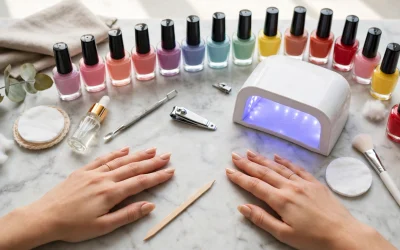
The best base coat cannot rescue poor prep. Start with clean, dry nails: remove old polish, wash your hands, and wipe each nail with a little remover or alcohol to clear away oils and hand cream, the top cause of early lifting. Push cuticles back gently rather than cutting them, and tidy the free edge with a fine file.
Apply base coat in one thin layer, sealing the tip by running the brush along the free edge — thin coats dry harder and wear better than thick ones. Let the base dry fully, usually a couple of minutes, before color; a tacky grip base like Orly Bonder is the exception, since it is meant to stay slightly sticky.
Cap the free edge again with your top coat, and reapply a thin layer of top coat every two or three days to stretch the manicure. Any day-count a brand prints on the bottle is a brand claim from its own testing, so judge results against your own routine. Store bottles upright, away from heat, and wipe the neck clean so the cap seals and the formula does not thicken early.
FAQ
Do I really need a base coat if my polish has one built in?
Some longwear and gel-effect polishes are designed to be worn without one, and the brand will say so. For regular lacquer, a separate base coat still improves grip and stain protection, so it is worth the extra minute.
Can a base coat stop my nails from staining?
It helps a lot. A clear barrier layer keeps pigment off the nail plate. Seche Clear and grip-style bases work well under dark shades, though strong pigments can still leave a faint tint after long wear.
What is the difference between a base coat and a ridge filler?
A ridge filler is a type of base coat that dries thicker and slightly opaque to level out ridges. Strong Start is an example of a base coat with ridge-filling behavior. If your nails are smooth, a standard thin base coat is all you need.
Can I wear base coat on its own?
Yes. Strengthening formulas like the OPI and essie picks are designed to be worn alone for a natural, tidy look, and they still protect the nail surface.
How often should I replace a bottle?
When the formula turns stringy, thick, or takes much longer to dry than it used to, it is past its best. Kept sealed at room temperature, a bottle typically stays usable for well over a year.
Conclusion
A longer-lasting home manicure starts before the color goes on. Choose Orly Bonder if polish will not stay put, essie Strong Start for weak or ridged nails, OPI Natural Nail Strengthener for treatment and base in one, Sally Hansen Double Duty for a simple two-job bottle, or Seche Clear when stain prevention is the priority. Pair any of them with clean prep, thin coats, and a sealed free edge, and your color stays fresher for more of the week.