Last updated: November 23, 2026
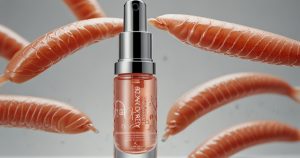
Two ingredient stories now dominate the Korean “skin booster” shelf: PDRN serums built on salmon DNA fragments, and exosome serums that pair tiny signalling vesicles with sponge spicules. Both are marketed with the same vocabulary — glow, bounce, smoother texture, a firmer look — which makes them sound interchangeable. They are not: they come from different sources, feel completely different on the skin, and ask for different routines.
Disclosure: As an Amazon Associate, I earn from qualifying purchases.
This comparison breaks down what each ingredient actually is, how the formulas behave day to day, and which type suits which skin, with five current Korean products — two PDRN serums, two exosome serums, and one hybrid. One honesty note up front: everything here is a cosmetic applied to the skin’s surface. A topical serum is not the same thing as an in-office injectable treatment, and no bottle should be expected to perform like one.
The Core Difference
PDRN (polydeoxyribonucleotide) is a chain of DNA fragments sourced from salmon, listed on labels as Sodium DNA or Hydrolyzed DNA, and delivered in an ordinary water-based serum alongside humectants, peptides, and niacinamide. You use it like any other serum: a few drops after toner, morning or night, every day. There is no special sensation — no tingle, no warmth — and that gentleness is the main reason people choose it. The realistic payoff is hydration and a plumper, firmer look, helped along by the supporting ingredients around the PDRN.
Exosome serums are built differently. Exosomes are microscopic vesicles that cells use to pass signals to each other. In Korean cosmetics, the “exosomes” are typically plant- or ferment-derived rather than human-derived, and brands rarely state the source clearly, so treat the label as a marketing category as much as a precise ingredient. Most exosome serums are actually spicule products: thousands of tiny needle-shaped particles (listed in PPM) coated with the exosome complex, which create a prickling feeling as you press the serum in. They are used as a first step after cleansing, usually at night, a few times a week — not as an everyday layer.
So the practical split is simple: PDRN serums are daily, comfortable, hydration-led products, while exosome serums are occasional, sensation-led boosters aimed at the look of pores and rough texture. Neither has strong independent clinical proof behind the cosmetic versions, and much of the visible change comes from hydration, mild exfoliation, and the supporting ingredients in each formula.
How to Choose
- Choose a PDRN serum if you want something usable daily, your skin leans sensitive, and your goals are hydration, comfort, and a firmer, bouncier look.
- Choose an exosome spicule serum if your main concerns are pore appearance and uneven texture, your skin tolerates actives well, and a prickling sensation a few nights a week sounds fine.
- Consider a hybrid if you want the spicule booster format but also like the idea of salmon DNA in the same step; hybrids split the difference rather than doubling the effect.
- Read the full ingredient list, not the headline. The niacinamide, peptides, hyaluronic acid, or exfoliating acids around the hero ingredient often decide how a serum actually performs.
- Check the source if fish is a concern. PDRN is salmon-derived; if you have a fish allergy, ask a clinician before using a salmon DNA serum.
The Products
medicube PDRN Pink Peptide Serum

Specs
- Type: PDRN serum (daily use)
- Size: 1.01 fl oz (30 ml)
- Hero ingredient: Salmon DNA PDRN (Sodium DNA)
- Supporting ingredients: Five-peptide complex, niacinamide, adenosine, hydrolyzed collagen
- Note: Contains fragrance
This is the most approachable entry point on the PDRN side. The formula pairs salmon PDRN with a five-peptide complex and niacinamide, so the hydration and tone-evening support does not rest on the DNA ingredient alone. The light pink gel-serum layers cleanly under moisturizer and sunscreen and is designed for twice-daily use rather than occasional boosting. The trade-off is the added fragrance, which reactive skin may not love. If you want a PDRN serum that behaves like a normal, pleasant daily serum, this is the straightforward pick.
Anua PDRN Hyaluronic Acid Capsule 100 Serum

Specs
- Type: PDRN serum (daily use)
- Size: 1.01 fl oz (30 ml)
- Hero ingredients: Salmon DNA PDRN and hyaluronic acid
- Texture: Lightweight, watery capsule serum
- Focus: Hydration and a plump, dewy look
Anua’s take leans hardest into hydration. The capsule format suspends the PDRN in a water-light base built around hyaluronic acid, so it feels closer to a hydrating essence than a rich treatment serum. That suits skin that feels tight or looks dull, and it layers well under heavier creams in winter — though very dry skin will still want a substantial moisturizer on top. Choose this one if moisture and a glass-skin finish matter more than a long list of extra actives.
medicube Zero Exosome Shot 7,500 PPM

Specs
- Type: Exosome spicule serum (occasional use)
- Size: 1.01 fl oz (30 ml)
- Spicule load: 7,500 PPM exosome-coated spicules
- Supporting ingredients: AHA, BHA, and PHA exfoliating acids
- Focus: The look of pores and rough texture
This is the stronger, more committed option on the exosome side. Alongside the exosome-coated spicules, it includes a blend of AHA, BHA, and PHA, so part of its smoothing effect is plain chemical exfoliation — expect a noticeable tingle when you press it in. It goes on right after cleansing, and medicube positions the 7,500 PPM strength for experienced users rather than beginners. If your skin is reactive, or you already use strong retinoids and acids, this is the product most likely to be too much. For tolerant skin chasing a smoother-looking surface, it is the most direct pick here.
VT COSMETICS CICA Reedle Shot 300

Specs
- Type: Exosome spicule serum (night use)
- Size: 1.69 fl oz (50 ml)
- Hero ingredients: Cica Reedle spicules and Cicahyalon (centella plus hyaluronic acid)
- Supporting ingredients: Niacinamide, adenosine, propolis extract
- Item model number: VTPD40018
VT’s Reedle Shot line made spicule serums mainstream, and the 300 strength is its middle-intensity night booster. The spicules are paired with centella-based Cicahyalon, a more soothing supporting cast than the medicube shot has, and the 50 ml bottle is the largest in this lineup. The prickle is real but brief, and the brand directs it to evening use a few times per week. Pick this if you want the exosome-spicule experience in a bigger bottle with calming ingredients around it.
medicube Exosome Shot PDRN Pink Collagen 2,000 PPM

Specs
- Type: Hybrid exosome and PDRN spicule serum
- Size: 1.01 fl oz (30 ml)
- Spicule load: 2,000 PPM
- Hero ingredients: Exosome complex plus salmon DNA (PDRN) spicules and collagen
- Focus: Uneven tone, pore care, and texture
This hybrid puts both headline ingredients into one step-zero booster: exosome-coated spicules that also carry salmon DNA, at the gentler 2,000 PPM load. It is the mildest spicule option here, making it the sensible first try for someone curious about both categories but wary of the stronger shots. The compromise is real — you get moderate amounts of each concept rather than a full-strength version of either, plus the prickle and occasional-use schedule of any spicule product. Treat it as a sampler of the booster format, not a replacement for a daily PDRN serum.
Usage Notes
Order matters. Spicule serums (the exosome shots, the Reedle Shot, and the hybrid) go onto clean, dry skin as the first step after cleansing, pressed in rather than rubbed, and anything layered afterward may absorb more readily — which also means it can irritate more readily. Keep the rest of that night’s routine gentle, and do not stack a spicule shot with a strong acid toner or high-strength retinoid until you know your tolerance. PDRN serums slot in like normal serums, after toner and before cream, morning and night.
Give any of these several weeks before judging them; hydration shows up quickly, but changes in how firm or even skin looks are gradual. Stop and reassess if you get persistent redness, burning, or breakouts, and wear sunscreen during the day. Whatever the marketing implies, keep expectations cosmetic: these serums improve how skin looks and feels on the surface, which is a worthwhile goal on its own.
FAQ
What is the main difference between PDRN and exosome serums?
PDRN serums deliver salmon-derived DNA fragments in a normal daily serum, aimed mainly at hydration and a firmer look. Exosome serums are usually spicule boosters used a few nights a week, aimed at the look of pores and texture, and they tingle on application.
Is a topical PDRN serum the same as PDRN injections?
No. In-office PDRN treatments place the ingredient into the skin with a needle; a serum sits on the surface, where absorption is far more limited. It can support hydration and appearance, but it is not equivalent to the injectable procedure.
Can I use a PDRN serum and an exosome serum in the same routine?
Yes, with care. A common pattern is a spicule booster first on its scheduled nights, followed by a gentle PDRN serum once the prickling settles. Introduce them one at a time, weeks apart, so you can tell which product your skin likes.
Who should be cautious with salmon PDRN serums?
Anyone with a fish allergy should check with a clinician first, since PDRN is derived from salmon. As with any new active, patch test on a small area for a few days, and stop if you notice lasting irritation.
How long do PDRN or exosome serums take to show a difference?
Hydration and a plumper feel can show within days. Changes in the look of firmness, tone, and texture usually need four to eight weeks of consistent use, and results vary a lot between individuals and formulas.
Conclusion
If you want a calm, daily serum for hydration and a firmer look, the PDRN side — medicube’s Pink Peptide Serum or Anua’s Capsule 100 — is the easier commitment. If texture and pore appearance are your priorities and your skin handles actives well, an exosome spicule booster like the medicube Zero Exosome Shot or VT’s Reedle Shot 300 is the more targeted tool, used sparingly at night. The medicube PDRN Pink Collagen Exosome Shot sits between them as a gentler introduction to the format. Whichever you choose, patch test, add one product at a time, and judge it by how your skin looks after a month — not by the boldest word on the box.