Last updated: November 23, 2026
Disclosure: As an Amazon Associate, I earn from qualifying purchases.
Hair that feels coated, limp, or oddly rough does not always need more conditioner. Often it needs the right kind of deep clean, and that is where the clarifying vs chelating shampoo question matters. Both are reset washes, but they remove different things. A clarifying shampoo is built to lift what you put on your hair: styling products, silicones, oils, and everyday residue. A chelating shampoo goes a step further and targets what your water leaves behind: calcium, magnesium, iron, copper, and chlorine that bond to the hair shaft. Pick the wrong one and you can wash twice and still miss the actual problem, or over-clean hair that only needed a gentle reset.
This guide explains the core difference, how to tell which type of buildup you have, and how often each kind of wash makes sense. It also rounds up five real products, two classic clarifiers, two chelating hard water shampoos, and one chelating pick made for swimmers, so you can match the formula to your water and your routine.
The Core Difference
The difference comes down to what each formula can grab. Clarifying shampoos rely on stronger cleansing surfactants. Those surfactants surround oil, product film, and loose residue and rinse them away. If your hair feels heavy from dry shampoo, gels, oils, or silicone serums, a clarifier is usually the right tool, because that buildup sits on the surface and a thorough surfactant wash can lift it.
Chelating shampoos add chelating agents, ingredients such as disodium EDTA, tetrasodium EDTA, sodium gluconate, phytic acid, or citric acid. These molecules bind to metal and mineral ions that have attached to the hair. Hard water minerals and pool copper do not simply sit on the surface; they bond ionically, which is why regular shampoo, and even most clarifiers, leave them behind. A chelating formula grabs those ions so they can rinse out.
In practice, the two overlap. Many chelating shampoos also clarify well, because they pair chelating agents with solid cleansers. The reverse is not true: a clarifier without chelating agents will not remove a real mineral load. So the honest shortcut is this. Product buildup points to clarifying. Hard water, well water, and swimming point to chelating. If you have both, a chelating wash usually covers both jobs in one step.
How to Choose
Start by diagnosing your buildup. Product buildup tends to feel waxy, coated, or heavy, and hair looks dull a day or two after washing even though your water is soft. Mineral buildup feels different: hair turns rough, tangly, and straw-like, blondes may notice a brassy or greenish cast, and even freshly washed hair dries stiff. Swimmers get a mix of chlorine dryness and copper discoloration.
Next, check the ingredient list rather than the front label. Words like detox and deep clean appear on both types. For a true chelating shampoo, look for EDTA compounds, sodium gluconate, phytic acid, or citric acid high in the list. For a clarifier, look for a strong surfactant system and, ideally, a note that the formula is color-safe if your hair is dyed.
Frequency is the third factor, and honesty matters here. Neither type is a daily shampoo for most people. A clarifier once a week is the ceiling for heavy product users; every two to four weeks suits most routines. Chelating washes follow your exposure: weekly for swimmers in season or homes with very hard water, and monthly for mild cases. Overuse fades color and dries hair out, so treat both as an occasional reset, not a replacement for your regular gentle shampoo.
Finally, plan the follow-up. A deep clean strips away the conditioning film your hair relies on, so always condition well afterward, and use a richer mask if your hair runs dry. Neither clarifying nor chelating repairs damage; they only remove what is sitting on the hair so your other products can work properly again.
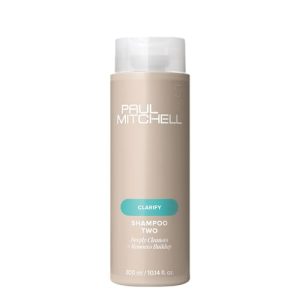
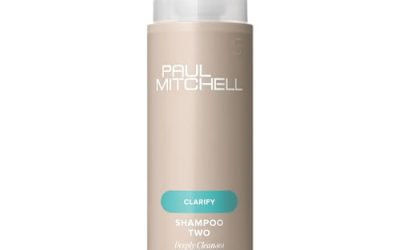
Paul Mitchell Shampoo Two

The long-running salon clarifier and the benchmark for product buildup. Its strong surfactant system is made for removing dulling residue from styling products, and it is the classic pre-treatment wash salons use before chemical services. It is a clarifier only, with no meaningful chelating action, so it will not shift hard water minerals.
Specs
- Type: clarifying shampoo (surfactant-based deep clean)
- Size: 10.14 fl oz
- Best for: product buildup, oily hair, all hair types
- Color note: color-safe formula, but avoid clarifying in the first week after coloring
- Scent: fresh lemon
Neutrogena Exfoliating Healthy Scalp Clarifying Shampoo

The gentler clarifying option. This pH-balanced anti-residue formula is free of sulfates, parabens, and phthalates, and it is positioned as color-safe, which makes it a sensible first clarifier for color-treated or finer hair that cannot take a harsh wash. It handles product and oil buildup, but it is not a chelating formula for mineral deposits.
Specs
- Type: clarifying shampoo (gentle, sulfate-free)
- Size: 12 fl oz
- Key traits: pH-balanced, sulfate-free, paraben-free, phthalate-free
- Hair type: oily hair and scalp, all hair types including color-treated
- Scent: pink grapefruit
Malibu C Hard Water Wellness Shampoo

A true chelating shampoo built for hard water homes. Its ingredient list includes disodium EDTA, sodium gluconate, and citric acid, which bind the minerals that make hair rough and discolored, while the sulfate-free base still gives a proper clarifying wash. Panthenol and rice protein help offset the dryness that deep cleans can cause.
Specs
- Type: chelating shampoo for hard water
- Size: 9 fl oz
- Chelating agents: disodium EDTA, sodium gluconate, citric acid
- Formula: sulfate-free, paraben-free, 100 percent vegan
- Support ingredients: panthenol (provitamin B5), hydrolyzed rice protein, flax protein
Ion Hard Water Shampoo

A salon-supply chelating staple, popular with well water households. It is made to eliminate mineral buildup from hard and well water, reduce the dryness, dullness, and discoloration that minerals cause, and it is gentle enough to be labeled safe for daily use, though most people will only need it weekly. It is also stated as safe for color-treated hair.
Specs
- Type: chelating shampoo for hard and well water
- Size: 10.5 oz
- Chelating agents: disodium EDTA in the formula
- Best for: mineral buildup, dullness, discoloration from well water
- Color note: safe for color-treated hair
Malibu C Swimmers Wellness Shampoo

The chelating pick for pool regulars. Swimmers deal with chlorine dryness plus copper and other pool minerals that can leave a greenish cast, especially on light hair, and this formula is made specifically to remove pool elements and protect against that damage. The large bottle suits households where several people swim, and the line is formulated for adults and kids alike.
Specs
- Type: chelating shampoo for swimmers
- Size: 33.8 fl oz
- Targets: chlorine, copper, and pool mineral buildup
- Best for: frequent swimmers, swim teams, kids and adults
- Brand formula standards: 100 percent vegan, formulated without sulfates or parabens
Use Notes
Whichever type you choose, technique matters. Wet hair thoroughly, work the shampoo in with your fingertips, and let it sit for one to two minutes so surfactants or chelating agents have time to work before rinsing. For heavy buildup, a second quick wash is more effective than scrubbing harder with the first.
Be honest with yourself about frequency. Clarifying is an occasional reset, weekly at most for most people, and chelating follows your water exposure rather than the calendar. If your hair feels dry or your color looks faded, you are using them too often. Swimmers and hard-water homes genuinely get the most from chelating washes; if your water is soft and you use few styling products, you may only need a reset a few times a year.
Always condition well after a deep clean, from mid-lengths to ends, and add a mask when hair feels parched. Wetting hair with clean water before swimming, and rinsing right after, also reduces how much chlorine and copper your chelating wash has to remove later.
FAQ
Can a clarifying shampoo remove hard water minerals?
Only lightly, if at all. Clarifiers remove surface product and oil with surfactants. Mineral deposits bond to the hair and need chelating agents such as EDTA or sodium gluconate to lift them, so hard water homes should choose a chelating formula.
How often should I use a chelating shampoo?
Match it to exposure. Weekly suits swimmers in season and very hard water homes; every two to four weeks is enough for mild mineral buildup. It is a treatment wash, not a daily shampoo, even when a label allows frequent use.
Will clarifying or chelating shampoo fade my hair color?
Both can speed fading, because deep cleans lift surface film and some pigment with it. Space the washes out, avoid clarifying in the first week after coloring, choose a color-safe formula, and condition well afterward to limit the effect.
Does a deep clean repair damaged hair?
No. Clarifying and chelating shampoos remove buildup; they do not repair damage, split ends, or breakage. What they can do is restore softness and shine that buildup was masking, and help conditioners and masks absorb more evenly.
How do I know which buildup I have?
Waxy, heavy, coated hair after lots of styling products points to clarifying. Rough, tangly hair, brassiness, or a greenish cast, especially with hard water or swimming, points to chelating. When in doubt, a chelating wash covers both problems.
Conclusion
Clarifying vs chelating shampoo is really a question of what is on your hair. Products and oils call for a clarifier like Paul Mitchell Shampoo Two or the gentler Neutrogena option. Minerals, well water, and pool chemicals call for a chelating formula like the Malibu C or Ion hard water shampoos, with the Swimmers Wellness pick for pool households. Use either one as an occasional reset, follow with real conditioning, and your regular routine will start working the way it should again.