Last updated: October 22, 2026
- Quick comparison of mid-range picks
- Best overall: Sonicare ProtectiveClean 6100
- Best round head: Oral-B iO Series 3
- Best for sensitive teeth: Oral-B iO Series 4
- Best sonic value: Sonicare ProtectiveClean 5100
- Best with app: Oral-B iO Series 5
- What mid-range features are worth paying for
- Sonic or oscillating, by number
- Worked example: the cost of heads over three years
- How to choose
- Mid-range mistakes to avoid
- Frequently Asked Questions
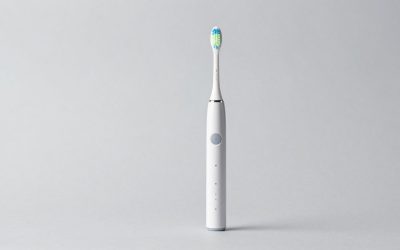
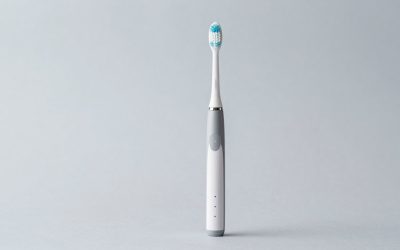
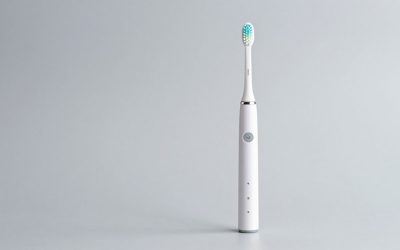
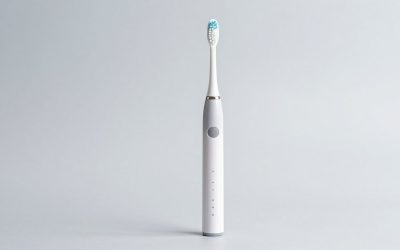
In the mid tier, the Philips Sonicare ProtectiveClean 6100 and the Oral-B iO Series 3 or 4 are the best electric toothbrushes for most buyers, because this budget unlocks the features that justify spending more than the basics: multiple modes, better pressure feedback, travel cases and smart timers. Exact pricing shifts with promotions, so shop by tier and check the current offer.
The step from entry to mid-range is where the market gets confusing. Brands add modes, apps and finishes, but only a few additions change how well you clean or how easy the brush is to own. This guide separates the useful from the decorative, compares real specs, and shows how to avoid overspending. It relies on manufacturer spec sheets and general dental guidance, not personal experience.

Oral-B Pro 1000 Rechargeable Electric Toothbrush, Black
Included for 'Best Electric Toothbrushes Under $100 in 2026' because the listing specifies Black, details this guide uses to compare options.
View on Amazon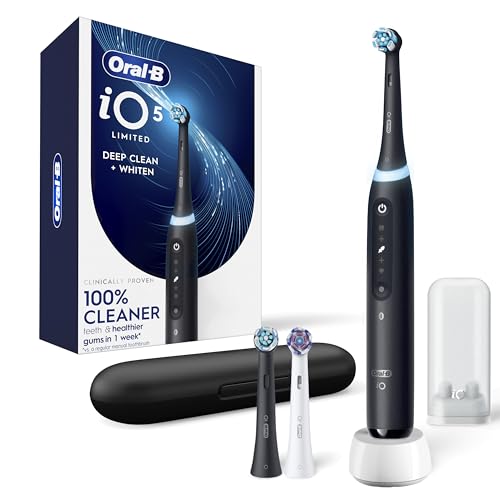
Oral-B Rechargeable Electric Toothbrush, iO5 Limited Deep Clean & Whiten, 5 Cleaning Modes, Visual Pressure Sensor to Protect Gums, Travel Case, 3 Brush Heads, Black
Included for 'Best Electric Toothbrushes Under $100 in 2026' because the listing specifies iO5 Limited Deep Clean & Whiten and 5 Cleaning Modes, details this guide uses to compare options.
View on Amazon
Aquasonic Black Series Ultra Whitening Toothbrush – ADA Accepted Electric Toothbrush- 8 Brush Heads & Travel Case – 40,000 VPM Electric Motor & Wireless Charging - 4 Modes w Smart Timer
Included for 'Best Electric Toothbrushes Under $100 in 2026' because the listing specifies 000 VPM Electric Motor & Wireless Charging and 4 Modes w Smart Timer, details this guide uses to compare options.
View on Amazon
Oral-B Smart 5000 Electric Toothbrush, White
Included for 'Best Electric Toothbrushes Under $100 in 2026' because the listing specifies White, details this guide uses to compare options.
View on AmazonQuick comparison of mid-range picks
| Pick | Best for | Technology | Modes | Battery per spec sheet | Extras |
|---|---|---|---|---|---|
| Philips Sonicare ProtectiveClean 6100 | Best overall | Sonic | 3 modes, 3 intensities | Up to about 2 weeks | Pressure sensor, travel case |
| Oral-B iO Series 3 | Best round head | Magnetic drive | 3 | About a week or more | Pressure light ring, travel case |
| Oral-B iO Series 4 | Best for sensitive teeth | Magnetic drive | 4, including Super Sensitive | About a week or more | Travel case |
| Philips Sonicare ProtectiveClean 5100 | Best sonic value | Sonic | 3 | Up to about 2 weeks | Travel case, pressure sensor |
| Oral-B iO Series 5 | Best with app | Magnetic drive | 5 | About a week or more | Bluetooth app |
Best overall: Sonicare ProtectiveClean 6100
The 6100 has three brushing modes (Clean, White and Gum Care) and three intensity settings, with pressure feedback and a long battery. It reaches the point where more features stop adding value. Trade-off: it sits near the top of this budget, and the head-replacement reminder is basic.
Best round head: Oral-B iO Series 3
For a brush that feels like a mini-polisher, the iO3 provides the pressure sensor, three modes and a travel case without paying for an app. Trade-off: iO heads cost more than the older Oral-B style.
Best for sensitive teeth: Oral-B iO Series 4
The iO4 adds a Super Sensitive mode to the standard three. If you have tender gums or exposed roots, the extra gentle option may be what makes you brush consistently. Trade-off: usually priced close to the top of this budget.
Best sonic value: Sonicare ProtectiveClean 5100
The 5100 sits between the 4100 and the 6100, with a travel case, pressure sensor and multiple modes. A good option when the 6100 is slightly out of reach. Trade-off: a simpler handle finish.
Best with app: Oral-B iO Series 5
The iO5 sometimes falls under the mid-range line during sales, and it adds Bluetooth coaching. Trade-off: the app features are optional, and many people stop using them after a few weeks.
What mid-range features are worth paying for
| Feature | Value | Reason |
|---|---|---|
| Pressure sensor | High | Prevents overbrushing |
| Gentle or sensitive mode | High for tender gums | Keeps brushing comfortable |
| Travel case | Medium | Saves buying one later |
| Head replacement reminder | Medium | Habit support |
| App coaching | Low to medium | Helps beginners, then fades |
| Whitening mode | Low | Polishes surface stains only |
Sonic or oscillating, by number
Sonic handles such as Sonicare vibrate the bristles at up to about 31,000 strokes a minute according to Philips. Oral-B iO handles use a magnetic drive with a round head that cups each tooth. Both achieve plaque removal beyond manual brushing in independent reviews, so the difference is mostly comfort, noise and head cost. If you dislike the tickle of sonic vibration, try the round head. If you dislike the pressure of a round head against gums, try sonic.
Worked example: the cost of heads over three years
Three years means 12 replacement heads per person. Oral-B iO heads and Sonicare click-on heads are sold in packs of two to four, so expect three to six packs. A mid-range handle often includes one head plus a spare; count those. If the handle price and head cost per piece are both known, multiply head cost by 12 and add the handle price for a true three-year figure. This is why a slightly more expensive handle with cheaper heads can win.
How to choose
- Choose by comfort first, feature list second.
- If you have gum recession, prioritise the pressure sensor and a gentle mode.
- If you share one charger, check the base footprint.
- Look at the warranty length; two years is common.
Mid-range mistakes to avoid
The most common overspend in this tier is paying for modes you will not use. Whitening modes mostly add a longer polishing phase, which does not change tooth colour beyond removing surface stains. The second is assuming a higher number in the model name means a better clean. Within a family, the cleaning head and motor are often shared, and the difference lies in feedback, battery and cosmetics.
The third is forgetting the cost of heads. The mid-range often sits on premium head systems that cost more than entry ones, so a handle that looks like a bargain may carry a recurring bill. Fourth, check that the box includes at least two heads so you are not buying a replacement within weeks. Fifth, compare warranty lengths and registration requirements; some brands require online registration to activate extended cover. Finally, be realistic about apps. If you rarely use a phone in the bathroom, the connected version will end up working as a standard brush at a higher price. Buying the simpler sibling and putting the difference toward a water flosser or interdental brushes usually does more for your oral health.
Frequently Asked Questions
Is it worth spending more than the entry level?
If you value a sensitive mode, a travel case or longer battery, yes. If you just want a timer and a pressure sensor, entry models already deliver that.
Do I need an app-connected toothbrush?
No. App coaching can help while you form habits, but most people do fine without it.
Which has a longer battery, Sonicare or Oral-B?
Sonicare ProtectiveClean models are rated at up to about two weeks, which is generally longer than the Oral-B iO range.
How many modes do I need?
Two or three: a daily clean, a gentle option and perhaps a gum-care mode. More are rarely used.
Are mid-range brushes better for gums?
They often include better pressure feedback and gentler modes, which can help. Persistent gum problems deserve a dentist visit.
This article offers general information only and is not dental advice; see your dentist for personal guidance.